
The Importance of Credit Scores During Debt Repayment
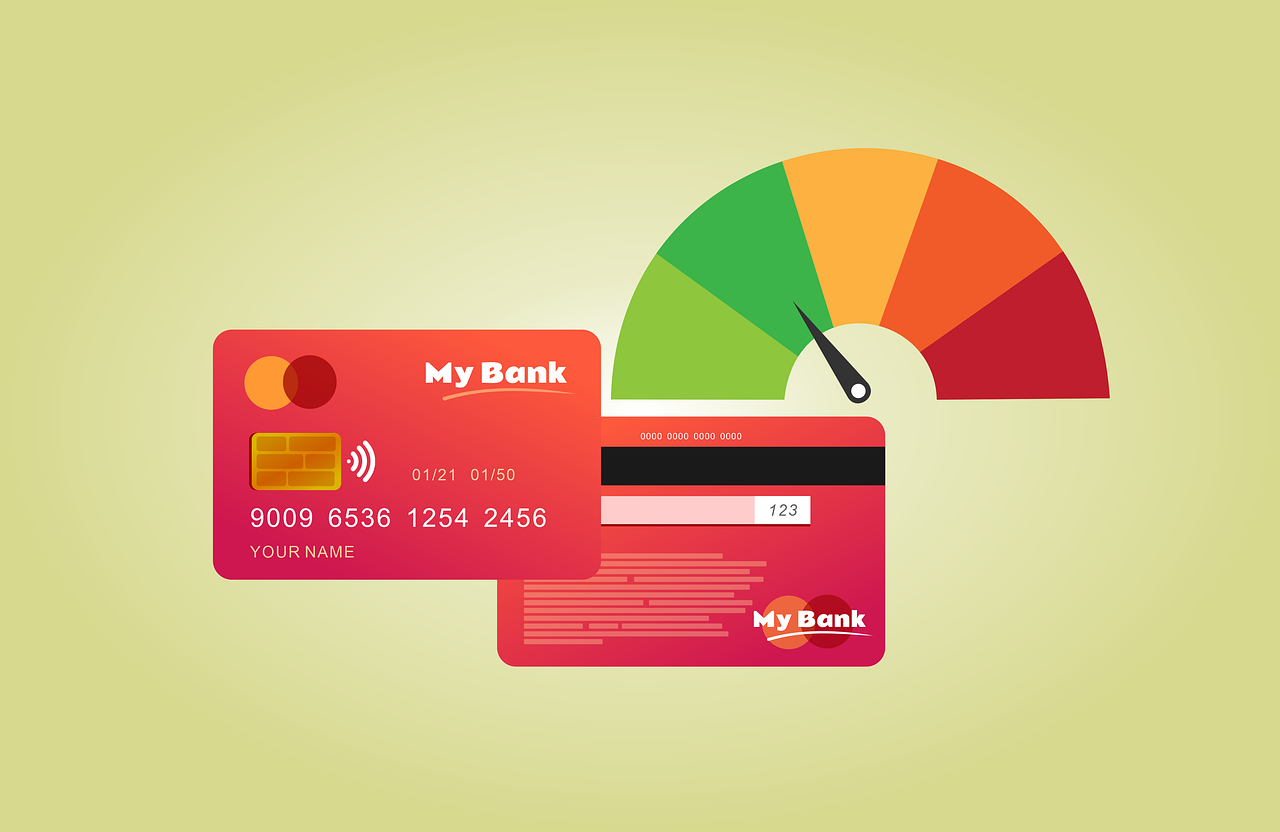
Having a positive credit score is critical when aiming to pay off debt faster. Credit scores reflect your financial credibility and responsibility in managing borrowed money. A higher credit score allows you to negotiate lower interest rates on loans, enabling you to save significantly over time. With a better rate, a larger chunk of your monthly payment will contribute towards the principal, reducing the total debt faster. Moreover, creditors are more likely to offer attractive terms or balances for loans if you possess a good credit history. Utilizing these benefits can accelerate your debt repayment journey. Consistently paying bills on time is one way to maintain a high score. This practice builds trust with lenders and displays financial habits that are favorable. Remember that each payment you make positively impacts your score, which overall helps you in your quest for financial stability. Neglecting this responsibility, on the other hand, can result in higher interest rates. Therefore, monitor your score regularly for fluctuations and pursue methods to improve it, making debt repayment more manageable.
Debt can often feel overwhelming, and it’s common to seek solutions that make it more manageable. One effective strategy is to focus on your credit score while you repay existing debts. A better credit score not only makes you more attractive to lenders, but it can also influence the terms of any future credit, including personal loans or credit cards. By maximizing your credit score, you can qualify for lower interest rates on those products. This means that more of your money goes to principal reduction rather than interest. Strategies to improve your score include reducing existing debt levels, making timely payments, and keeping credit card balances low. The impact is significant: even a small change in interest rates can lead to substantial savings. Additionally, avoid unnecessary credit inquiries that can temporarily lower your score. Some individuals might also benefit from credit counseling services offered by various nonprofits, which aid in creating plans to improve both scores and financial situations. Utilize these tools to establish a sense of control over your financial health while addressing your debt obligations efficiently.
Monitoring Your Credit Score
Regularly monitoring your credit score is essential during debt repayment. This allows you to notice any trends or changes that may affect your financial decisions. You can track your score through various services that often provide insights into what aspects influence it, like payment history or credit utilization. Additionally, it’s imperative to check for errors that negatively impact your score, as these can occur due to inaccurate reporting by creditors. Disputing any inaccuracies can help boost your score significantly. You are entitled to a free annual credit report from each of the three major credit bureaus, allowing you to complete a thorough check. Utilizing these resources can uncover strategic approaches to managing debts more effectively. Organize a schedule to check your reports, focusing on late payments, high credit usage, and instances of hard inquiries. These factors play a vital role in maintaining or improving your score. Take proactive measures to adjust these elements as necessary, as small changes can lead to bigger advancements in your debt reduction endeavors as well as improved credit scores.
Managing debt often feels daunting, but integrating credit awareness into your strategy can simplify the process considerably. One way to enhance your payment plan is by consolidating debts under a single account with a lower interest rate. This not only eases payment management but also helps in boosting your credit score if handled responsibly. For individuals with multiple debts, this can be an appealing option, as it can lower monthly payments and lead to a reduction in overall interest payments. Simultaneously, always ensure that you remain informed about the impact of your consolidation methods on your credit. Research and compare the terms of different consolidation loans diligently to find the best fit for your circumstances. Also, consider the option of working with a credit counselor who can provide guidance tailored to your financial situation. A consultant might suggest the best consolidation method suited for your needs. They can also illuminate potential pitfalls related to debt consolidation that could hinder your objectives, ensuring you remain well-equipped on your pathway toward financial freedom while improving your credit score.
The Role of Payment Strategies
When aiming to pay off debt efficiently, implementing effective payment strategies is crucial. Two popular methods are the snowball and the avalanche strategies. The snowball method focuses on paying off the smallest debts first, creating motivation through quick wins. Conversely, the avalanche method prioritizes debt with the highest interest rate, potentially saving more money overall. Evaluate which approach resonates better with your personal circumstances to maximize your debt repayment efforts. Regardless of which method you choose, maintaining a high credit score during this time is vital. Both approaches reduce the total balance of your debts and positively influence your credit utilization ratio. This is the ratio of your current credit balances to your total available credit, which makes up a significant portion of your credit score. Ensure you are also making at least the minimum payments on all debts, as late payments can severely damage your score. Additionally, using payment reminders or setting up automatic payments can aid in avoiding missed deadlines, thus protecting your score while accelerating your journey to being debt-free in an efficient manner.
Understanding how credit affects your financial health as you tackle your debts can be a game-changer. This understanding will empower you to adopt effective techniques to improve your credit score alongside your payment efforts. Seeking professional financial advice may also prove beneficial; certified financial planners can assist you in formulating a comprehensive plan addressing both debt reduction and credit optimization. Their insight can reveal tailored strategies, identifying weaknesses in your current approach and recommending actionable changes. Such strategies may include budget adjustments or closure of unused credit accounts, which can enhance your utilization ratio further. Moreover, being frugal and periodically reviewing spending habits can uncover hidden unnecessary expenses that obscure your budget. Finding balance during this financial journey is essential; simultaneously focusing on your credit and debt repayment will yield maximum financial benefits. As you improve your score, you will not only make debt payments easier but also open doors for future credit opportunities that can further enhance your financial journey. Staying motivated and consistent with your action plan will ultimately lead to long-term success in achieving your financial objectives.
Conclusion: The Path Forward
In conclusion, this interrelationship between credit scores and debt repayment is crucial for your financial health. Your credit score serves as an essential tool that can positively or negatively affect repayment strategies. Prioritizing strategies to improve your score while paying down debts allows you to experience the benefits of lower interest rates and more favorable loan terms. By maintaining a proactive stance—monitoring your score regularly, leveraging payment strategies, and seeking assistance when required—you can navigate your way through debt repayment successfully. Ultimately, a well-managed credit score will serve as the cornerstone of your overall financial well-being, paving the way for future endeavors like securing low-interest mortgages or other sizeable loans. As you look forward, staying committed to enhancing your credit score will motivate you to pay down debt more aggressively. Remember that financial literacy doesn’t stop here; continually educating yourself about managing debts and understanding credit will empower you further. Developing good financial habits today lays the foundation for a robust economic future, enabling you to break free from the chains of debt and enjoy a more secure lifestyle.
A solid foundation for effective debt repayment consists of a better understanding of credit scores and how they influence your borrowing potential. Taking actions to improve your credit score while reducing your debts can lead to greater financial freedom and stability. Aim to remain informed, flexible, and persistent throughout this process. Seeking assistance, setting desired financial goals, and regularly monitoring your progress can make a significant impact. With determination, you can simplify your financial obligations and enjoy the journey toward a healthier credit profile, resulting in better financing opportunities for the future. Successful debt repayment requires commitment, education, and a willingness to improve one’s financial footing in the world.