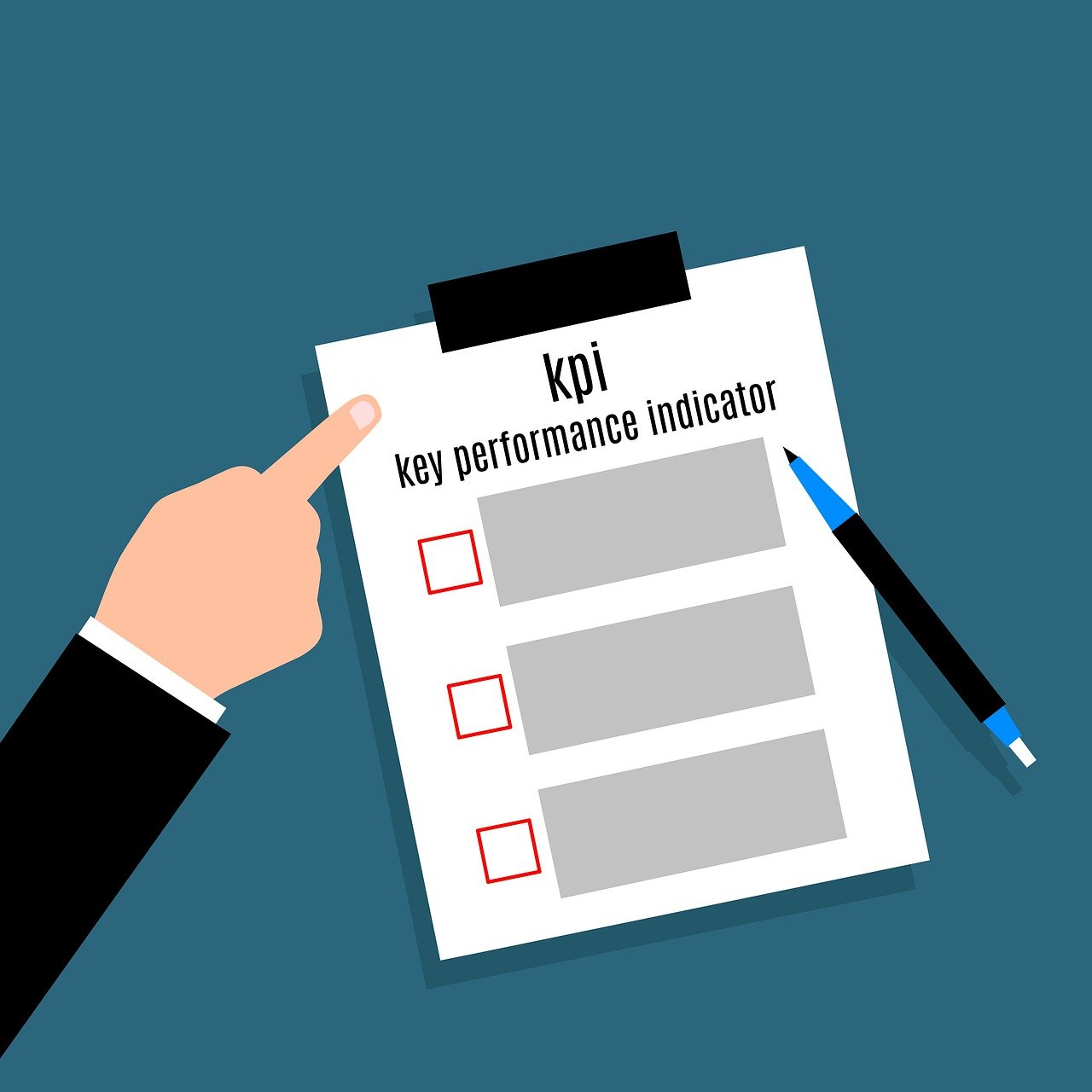

Using Key Performance Indicators in Forecasting and Reporting
Financial reporting is highlighted by the vital task of integrating accurate forecasting methods. Key Performance Indicators (KPIs) serve as essential tools in this context. By aligning KPIs with business strategies, organizations can predict outcomes and make informed decisions. Identifying relevant KPIs assists businesses in measuring performance against set financial goals. Forecasting becomes an informed exercise through these metrics, enabling stakeholders to anticipate future trends efficiently. Examples of effective KPIs include gross profit margin, return on investment, and customer acquisition cost. These indicators provide essential insights into a company’s financial health. By analyzing these KPIs, organizations can make strategic choices regarding resource allocation. Moreover, continuous monitoring of these metrics ensures adaptive strategies are in place for shifting market dynamics. This adaptability is vital in environments characterized by rapid change, allowing businesses to maintain resilience and agility. Consequently, organizations equipped with accurate KPIs can leverage them for effective financial forecasting. The inclusion of KPIs in financial reporting thus empowers stakeholders with better visualization of growth possibilities, enabling a proactive rather than reactive approach to market challenges and opportunities.
The Importance of KPI Selection
Effective forecasting and reporting heavily relies on the selection of pertinent KPIs. Choosing the right KPIs ensures that organizations can effectively track their performance against strategic objectives. A well-defined selection process is crucial for organizations to align their KPIs with their long-term goals. This alignment promotes clarity among teams, ensuring that every stakeholder understands what metrics are critical for success. Additionally, the selected KPIs must be quantifiable and relevant to foster practical analysis. For instance, outdated or irrelevant indicators can mislead decision-makers, resulting in misguided strategies. Collaborating with key departments, such as finance and marketing, enhances the chances that selected KPIs encapsulate the organization’s entire operational essence. Furthermore, it is essential to review and adjust KPIs regularly in accordance with changing industry trends. Flexibility and ongoing evaluation of KPIs help in maintaining their relevance and impact. Teams should remain informed regarding which KPIs yield influential insights. This vigilance allows upper management to react quickly to emerging opportunities or unforeseen challenges. Therefore, a robust approach to KPI selection is instrumental in achieving forecasts that accurately reflect organizational performance and market realities.
Data Collection Techniques for Accurate KPIs
Accurate forecasting and financial reporting hinge on effective data collection techniques. These techniques play a pivotal role in the reliability of selected KPIs. Organizations must ensure that they gather comprehensive data from multiple sources. This entails not only financial transactions but also qualitative information stemming from market research and customer feedback. By synthesizing diverse data sets, businesses can achieve a holistic view of performance. Advanced analytical tools can assist in data processing, allowing for the extraction of meaningful insights in a timely manner. Employing automated data collection systems can also enhance accuracy while minimizing human error. Furthermore, consistently validating collected data contributes to the credibility of KPIs. Employing rigorous data governance protocols ensures adherence to data quality standards. Staff training on data entry best practices equips team members to manage data entries meticulously. With reliable data in place, organizations can confidently utilize KPIs for forecasting. Ultimately, investment in robust data collection processes directly impacts the quality of financial reporting and forecasting accuracy. Accurate KPIs derived from credible data empower decision-makers with the necessary information to steer the organization successfully.
Effective visualization of KPIs can significantly enhance understanding across all levels of the organization. By employing various analytical tools, businesses can create visual representations of complex data. Charts, dashboards, and graphs translate numerical data into easily digestible formats. These visual aids allow stakeholders to quickly identify trends, anomalies, and opportunities. Effective communication of KPIs through visualization fosters a culture of transparency within the organization. Teams can better strategize based on these visual insights, facilitating enhanced collaboration. Moreover, training sessions on understanding these visual tools can empower employees. A workforce that comprehends KPI visualizations can drive initiatives more efficiently and align with corporate objectives. Regular updates of visual reports ensure that all stakeholders are aligned and informed about key changes in performance. Therefore, integrating visualization techniques into financial reporting plays a crucial role in business strategy execution. Enhanced comprehension of KPIs through visualization stimulates proactive decision-making. Overall, harnessing innovative visualization methods makes financial reporting more impactful and actionable, driving higher levels of engagement across the company. By embracing these techniques, organizations can truly leverage their KPIs to enhance forecasting and performance management.
Integrating Forecasting Models with KPIs
In order to obtain precise forecasts, integrating forecasting models with the right KPIs is essential. Different forecasting models exist, such as time-series analysis, regression models, and moving averages. Selecting a suitable model depends on the specific business context and available data. Aligning these models with pertinent KPIs results in enhanced accuracy of predictions. This integration creates a robust analytical framework that evaluates historical performance alongside future scenarios. Furthermore, organizations can continuously improve their forecasting methods by applying lessons learned from KPI analysis. Employing software that automates this integration aids in real-time forecasting. Automation not only provides efficiency but also facilitates adjustments based on newly available data. Real-time updates on KPIs empower stakeholders with insights to adapt quickly to shifting market conditions. Additionally, sensitivity analysis can assess how changes in underlying assumptions impact forecast accuracy. Regularly revisiting these models and their associated KPIs ensures their relevance amid fluctuating business landscapes. Ultimately, using combined insights yields comprehensive forecasts that better inform organizational strategies and tactical execution. Therefore, the collaboration of forecasting models with KPIs represents a best practice in financial reporting.
Establishing a Reporting Framework
Establishing a coherent reporting framework is vital for maximizing the effectiveness of KPIs in forecasting. A clearly defined reporting framework fosters consistency and uniformity across various reporting cycles. Organizations should determine the frequency of reporting, whether monthly, quarterly, or annually, to suit their operational needs. Standardization of KPIs within this framework enhances comparability between reporting periods and divisions. Giving teams a structured template to work within encourages best practices in presenting KPIs. Furthermore, integrating key insights from reports makes them more actionable for decision-makers. Predictive insights embedded in reports enhance the alignment of strategic initiatives. It is equally important to tailor reports for diverse audiences, ensuring relevant information is conveyed effectively. For example, operational teams require detailed data insights, while executives prefer high-level summaries. Alongside this, leveraging technology for automated report generation can reduce manual workloads significantly. Real-time accessing of reports increases agility in decision-making. Consequently, adopting an effective reporting framework enhances visibility into performance. This improves overall organizational transparency, establishing trust amongst stakeholders while providing the right context for future forecasts.
Conclusion and Future Directions
In conclusion, leveraging KPIs in forecasting and financial reporting can significantly boost organizational effectiveness. Accurate KPI selection, robust data collection techniques, and effective visualization all contribute to effective forecasting strategies. Moreover, integrating forecasting models with relevant KPIs enables comprehensive insights for informed decision-making. Establishing a standardized reporting framework complements these efforts, ultimately driving operational excellence. Businesses should prioritize continuous evaluation and adaptation of their KPIs based on industry trends and changing conditions. Moreover, advancements in technology, like artificial intelligence and machine learning, can enhance KPI analysis. Forecasting methodologies must keep pace with these innovations, allowing organizations to remain agile and responsive. The future lies in creating an ecosystem where KPIs evolve alongside business strategies and market demands. Adaptive organizations that embrace innovative tools will thrive in competitive landscapes. Cultivating a culture centered around data-driven insights can foster sustained growth. As businesses continue to navigate complexity, reliable forecasting backed by robust KPIs can pave the way for success in financial reporting and strategic decisions.
Incorporating KPIs into forecast management positions organizations for success. This synthesis of forecasting practices leads to improved outcomes and empowered stakeholders capable of driving change. As such, navigating financial landscapes with precision becomes achievable using strategic KPI applications.