
Strategies for Using Credit Reports to Improve Debt-to-Income Ratios
Credit reports are essential tools in managing personal finances and improving one’s debt-to-income (DTI) ratio. Your DTI ratio is a measure that compares your monthly debt payments to your monthly gross income. A lower DTI indicates a better capacity to manage debt. By utilizing credit reports effectively, you can gain insight into your current credit status, outstanding debt, and credit utilization rates. Understanding these components allows you to focus on specific areas needing improvement. Bankers, lenders, and other creditors often examine this ratio when making lending decisions. Therefore, making an effort to improve your DTI through credit report analysis can enhance financial offers. Start your journey by requesting your free credit report from authorized agencies. Regular monitoring of these reports can help you spot inaccuracies or accounts that may negatively impact your DTI. When discrepancies arise, addressing them promptly is crucial. Lowering your credit card utilization is another way to improve your DTI. Paying off existing debts also aids this effort. Focus not only on new debts but also on managing older accounts. Consistent payment history helps build a stronger financial profile.
By actively managing your credit reports, you can make informed decisions that ultimately lead to a healthier financial future. First, identify areas where you can increase your credit score, which indirectly influences your DTI ratio. Make payments on time and reduce card balances to lower your utilization ratio. Additionally, consider speaking with a credit counselor if you’re unsure how to interpret your report or develop a strategy. Many resources are available online, offering advice tailored to your situation. These professionals can help you create a personalized action plan that targets specific debts or credit issues. Paying off higher interest debts first can result in significant savings. As you improve your credit score, your DTI ratio will naturally lower, giving lenders more confidence in your ability to repay loans. This newfound confidence may translate to improved loan terms, like lower interest rates or better payment options. Additionally, reaching out to creditors about adjusting payment terms can relieve some immediate financial pressure. By establishing a relationship with them, you may find flexibility in your payments. Always ensure that you remain informed about your financial situation to adjust tactics as needed.
Monitoring Your Credit Score for Financial Benefits
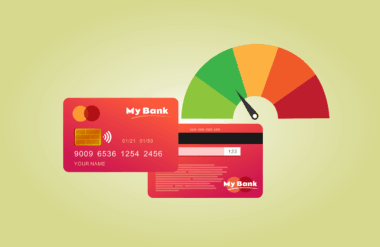
Monitoring your credit score is crucial when seeking to improve your DTI ratio. Regularly checking your credit score gives insight into how your debt levels impact your overall financial health. Credit scores impact loan eligibility and interest rates; thus, knowing your credit score can aid you in making informed borrowing decisions. Take advantage of the various free resources available for monitoring your credit. These include services that provide updates whenever significant changes occur, helping you stay proactive about your debt management. When you identify a change in your score, take immediate action if necessary. For example, if your score drops suddenly, review recent transactions to see if there’s an underlying issue. If your debts are significantly high compared to your income, prioritize paying them down. Understanding the breakdown of your credit score empowers you to enhance it strategically. Aim for a mix of credit types, ensuring you do not take on too much debt. Furthermore, reaching your financial goals necessitates patience and meticulous record-keeping. Regular revisions to your credit profile will reflect efforts, ultimately leading to a successful improvement in your DTI ratio.
Another beneficial strategy for improving your DTI involves consolidating high-interest debts into lower-interest options. You can achieve this through personal loans, balance transfer credit cards, or refinancing. Debt consolidation can simplify your payments while also enabling you to pay off accumulated debts quicker and more efficiently. This can provide immediate relief while gradually improving your credit score and DTI ratio over time. Moreover, consider developing a budget that caters specifically to debt repayment. Allocate an appropriate amount each month based on evaluation and monitoring of your credit report. Being disciplined about managing finances is vital. Besides, tracking spending habits allows you to identify potential areas for improvement. Furthermore, prioritize needs over wants, eliminating unnecessary expenses from your daily living. Adjust lifestyle choices to favor financial wellness, ultimately contributing to your debt management goals. This means finding alternatives for expensive habits while investing in savings. As your savings grow, you’ll have a financial cushion that may protect your credit rating. Always remember that improving your credit health is a gradual process requiring dedication and commitment. Adapting these practices into your financial routine pays off in the long run.
Establish a Strong Payment History
A strong payment history significantly benefits your credit score and is a vital component of debt management. Consistent and timely payments can lead to higher credit scores, improving your DTI. This improved score makes obtaining favorable loans much easier. Ensure that you are aware of due dates for repayment and create reminders to avoid late payments. Setting up automatic payments may also help you stay on top of your debts. This can free up mental space to focus on other important tasks. Establishing a reliable budget can correspondingly inform how much you can consistently afford to pay monthly. Consider allocating additional funds towards debts when possible. The overtime reduction of high-interest debts benefits your credit report and ultimately lowers your DTI. Additionally, consider speaking with your creditors about restructuring payment terms if you face payment difficulties. Establishing open communication about your financial status can lead to establishing a new payment plan that fits your current situation while not negatively affecting your credit score. Finally, regularly reflect on your progress; observe trends in your payment history that may need adjustments for continuous improvement, keeping your path steady toward better debt management and healthier growth.
Another advantageous practice is to limit new credit inquiries when striving to improve your DTI ratio. Frequent inquiries can hurt your credit score over time. Therefore, be prudent when considering taking on additional debt, especially if you are actively working toward improving your financial situation. Ensure that new credit applications are necessary and align with your financial goals. Limiting inquiries gives you the opportunity to focus on existing accounts, enhancing your management practices. Furthermore, keep in mind that prior to applying for new loans, reviewing your debt levels gives insight into whether additional borrowing is sensible. Analyzing your total debt in relation to your income can help prevent overcommitment. Apply a critical eye toward existing debts to understand their necessity in relation to income. Additionally, using personal loans to settle higher-interest debts effectively makes it easier on your finances while creating a clearer repayment strategy. Knowing your overall financial picture informs wise borrowing choices that reduce detrimental effects on your credit report and DTI ratio. Current creditors value steady, consistent payments. Taking on new debt has heavier repercussions in the short term, so focusing on existing debts is essential for tangible improvements.
Building Positive Credit Habits for Long-term Success
To truly leverage credit reports for improved debt management, commit to building positive credit habits necessary for long-term financial wellness. Start by educating yourself about credit management principles. Understanding how credit bureaus assess your financial behavior is fundamental to improving your financial future. Once well-informed, cut out habits that negatively impact your credit profile. For instance, avoiding late payments goes a long way in boosting your score. Commit to understanding the subtle nuances of your credit agreement. Having a grasp of terms enables successful negotiations with creditors regarding any favorable terms you may seek. In addition, continuously optimize your credit utilization ratio by carrying low balances on available credit lines. Aiming for below 30% utilization can result in significant improvements to your credit score and DTI. Long-term strategizing is key. Create habits such as setting monthly financial goals, budgeting accordingly, and maintaining open communication regarding your debts. Remaining diligent about reviewing your progress ensures that as you reduce debt, you stay aligned with your overall financial objectives. Positive credit management then becomes a sustainable part of your financial routine, securing better opportunities in the market and improving your personal DTI ratios.
In summary, understanding credit reports immensely contributes to better debt management and improved DTI ratios. Utilizing strategies such as regularly monitoring credit scores, enhancing payment histories, and consolidating debts are effective ways to lower your debt obligations. Building an accurate financial picture requires commitment paired with consistent evaluation of debts against gross income. Each step taken towards managing credit proactively contributes to reducing debts. Knowing when to reach out for help when needed is equally vital. Instituting open communication with creditors can reveal alternative paths for repayment while avoiding unnecessary damage to a credit profile. Staying informed and up to date with personal financial situations fosters strong decision-making habits. All these habits collectively contribute to achieving healthier financial outcomes. Set achievable goals of monthly monitoring your credit and improving your ratios incrementally. Over time, the collective positive impact produced results not only in better financing conditions but also nurtures a more profound sense of financial tranquility. Striving towards building a strong credit history leads to emotional and financial stability in the long term. Engage in continuous education and practice over time, ensuring that credit management becomes an integral part of your life and well-being.