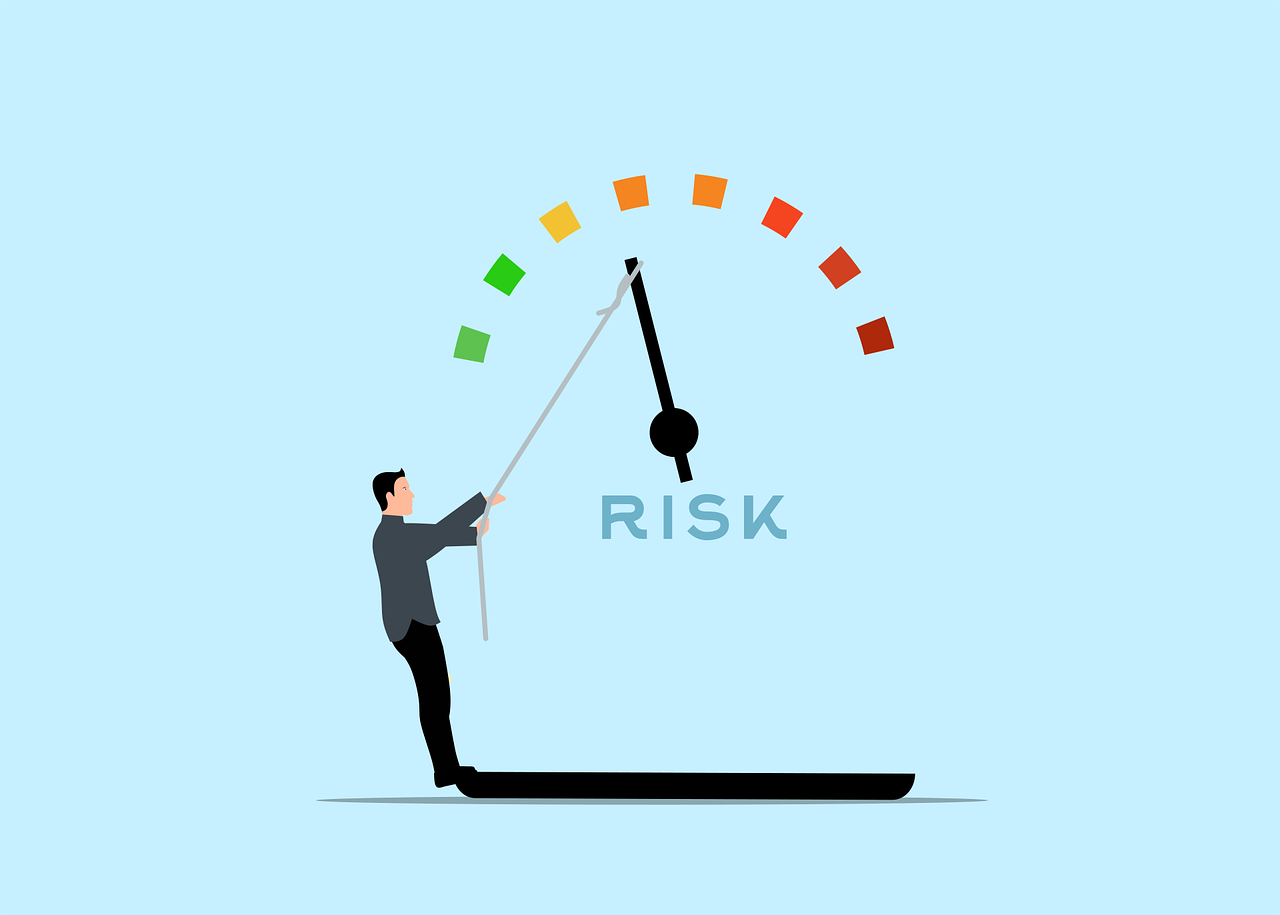

Customs Risk Management Techniques to Enhance Trade Efficiency
Customs risk management techniques play a critical role in enhancing trade efficiency. By implementing these strategies, customs authorities can better manage the flow of goods across borders while minimizing delays. Effective risk management helps identify high-risk shipments that may require additional scrutiny. This is essential for traders to understand. Furthermore, it promotes a uniform approach to handling customs processes. One technique is using data analytics to assess risks based on historical data. By analyzing shipment patterns, officials can spot anomalies that could indicate fraud or smuggling. Besides, collaboration between customs and businesses is vital. Open lines of communication ensure that all stakeholders are informed of potential risks, thus facilitating a coordinated response. Training customs staff in advanced detection techniques also enhances trade efficiency. Such training will sharpen their skills in identifying high-risk items as they arrive at ports. This speeds up overall processing time for compliant trade while focusing on what truly matters: securing borders and facilitating trade seamlessly. Ultimately, when customs authorities adopt these risk management techniques, they provide improved service to businesses while enhancing overall trade efficiency.
Another significant element in trade facilitation is adopting a comprehensive risk assessment framework. This framework allows customs officials to systematically evaluate and prioritize risks associated with various shipments. By categorizing cargo based on different criteria, such as origin, type, and previous compliance records, authorities can apply targeted interventions accordingly. For instance, low-risk shipments may benefit from expedited processing, while high-risk items could undergo more thorough inspections. Technology plays a pivotal role in automating these assessments. The use of advanced software tools can enhance data analysis, allowing quicker identification of potentially problematic shipments. Additionally, the implementation of trusted trader programs encourages businesses to maintain compliance with customs regulations. In doing so, these programs often incentivize traders to adhere to the highest standards, benefiting both parties. Another critical factor is ensuring that customs processes remain transparent. Transparency fosters trust between customs authorities and traders, reducing uncertainties in the clearance process. Stakeholders can have access to real-time information on shipment status through integrated systems. This further improves cooperation, enabling faster resolutions to issues that may arise during the import and export process.
Training and Capacity Building
Training and capacity building for customs officials are paramount to successful risk management. A well-informed workforce can better identify potential risks and respond efficiently, minimizing disruptions. Regular workshops, seminars, and training sessions can help enhance officials’ capabilities in risk detection and management. Furthermore, collaborating with international organizations can bring best practices to local customs operations. Global training programs offer insights into the latest technologies and methodologies prevalent in customs operations worldwide. Such partnerships often open avenues for resource sharing, enabling customs authorities to upgrade their systems and processes effectively. Adopting a culture of continuous improvement helps cultivate a workforce that is agile and responsive to changes in trade dynamics. Additionally, fostering teamwork among customs officials bolsters operational efficiency as they share valuable insights and experiences. This can greatly enhance the overall functioning of customs processes. Besides, local trade communities can also benefit from training programs. When businesses understand customs processes, they can ensure adherence to compliance requirements, thus streamlining operations. Ultimately, investment in training yields long-term benefits for both customs authorities and the trade community, leading to a more efficient and effective trade environment.
Another area of focus in customs risk management is the adoption of risk-based inspection strategies. This approach enables customs officials to allocate resources more effectively by concentrating on shipments that present a higher potential risk. Utilizing advance cargo information fosters a proactive approach in identifying these high-risk shipments. Such data allows officials to apply targeted inspection methods, reducing the time compliant shipments spend at ports. By minimizing unnecessary delays, businesses can operate more smoothly, enhancing overall efficiency in international trade. Moreover, the use of risk profiles can guide inspections based on cargo types, trade routes, or historical compliance data. This enhances the accuracy of the inspection process, ultimately leading to a more effective customs operation. Integrating technology can further bolster these inspection strategies. Advanced scanning technologies, such as X-ray machines or gamma-ray systems, provide insight into cargo without the need for unboxing. Implementing automated systems for risk assessment can enable quick, standardized responses to inspections. Consequently, these techniques allow customs authorities to ensure national security while optimizing the clearance process for legitimate traders. Achieving this balance is essential for enhancing trade efficiency and maintaining border security.
Collaboration and Communication
Effective collaboration and communication between customs agencies and trade stakeholders are essential for enhancing trade efficiency. By fostering a collaborative environment, stakeholders can gain a better understanding of the risks involved. This not only smoothens the clearance process but also ensures compliance is prioritized throughout the supply chain. Customs authorities can host regular meetings with businesses, allowing for open dialogue regarding challenges and potential solutions. This exchange of information can lead to developing better risk management strategies tailored to specific industries. Furthermore, engaging with international customs networks facilitates the sharing of intelligence on emerging risks and threats. This collaboration can result in alerts about possible fraud trends or newly developed smuggling tactics. With a more informed trade community, businesses can adapt their operations to anticipate and mitigate these risks effectively. Moreover, implementing joint training exercises with both customs officers and traders can enhance their ability to respond to threats. This cooperation ultimately leads to a more resilient trading environment. Technologies, such as online platforms for customs updates and alerts, further strengthen communication. This transparency builds trust between customs authorities and the trader community, fostering a proactive approach to risk management.
Incorporating technology is essential in customs risk management and enhances overall trade efficiency. The digital transformation of customs processes allows for the development of smarter, more efficient systems. By leveraging technologies such as artificial intelligence and machine learning, customs authorities can facilitate predictive analytics that help assess risks in real-time. These technologies enable efficient processing of vast amounts of data, identifying trends that may pose risks in a trade scenario. Automation can significantly reduce the time required for customs clearance processes. Automated systems for documentation handling, for instance, can accelerate data entry, reducing human error and speeding up approvals. Furthermore, the introduction of single-window systems allows traders to submit all necessary documents electronically, simplifying the process considerably. This model fosters easier interactions between customs authorities and other government agencies involved in trade. Harnessing cloud computing technologies can also enhance data sharing between stakeholders, ensuring everyone has access to the same information at the same time. Ultimately, adopting technology leads to enhanced transparency, accuracy, and efficiency across the customs process, benefitting both authorities and the trading community. Continuous investments in technological advancements will be crucial as international trade evolves.
Conclusion
In conclusion, adopting effective customs risk management techniques is crucial for enhancing trade efficiency. By utilizing a combination of data analytics, risk assessment frameworks, training, and technology, customs authorities can improve their operations significantly. Enhanced collaboration between customs officials and trade stakeholders fosters a culture of compliance and trust. As a result, businesses benefit from streamlined processes, reduced delays, and increased competitiveness in the global market. Furthermore, by adopting advanced inspection techniques, customs can focus their resources on high-risk shipments while expediting the clearance of compliant goods. Continuous capacity building for customs officials will ensure they remain equipped to handle emerging risks effectively. In the long run, investing in these risk management approaches leads to greater efficiency in international trade, a robust economic environment, and ultimately, better experiences for traders. The interplay of all these elements results in a balanced approach that sustains border security without sacrificing trade efficiency. Therefore, customs authorities must continuously assess and enhance their risk management strategies to adapt to the changing landscape of global trade.
Ultimately, the fusion of best practices in customs risk management is essential to navigating the complexities of international trade. Building resilient frameworks that encompass technological adoption and stakeholder engagement is a proactive measure. By understanding the interconnected nature of global trade, customs can efficiently facilitate legitimate commerce while safeguarding national interests. Continuous improvement strategies should be the norm, allowing authorities to pivot in response to new challenges. With increasing demands for efficiency, customs must evolve beyond traditional approaches. The integration of modern technologies with proven methodologies will yield enhanced outcomes. Ultimately, achieving a balance between risk management and trade facilitation can lead to a more prosperous trading environment. This consideration will foster sustainable growth, benefiting all involved in international trade.