
How Digital Payments Are Revolutionizing the Travel Industry
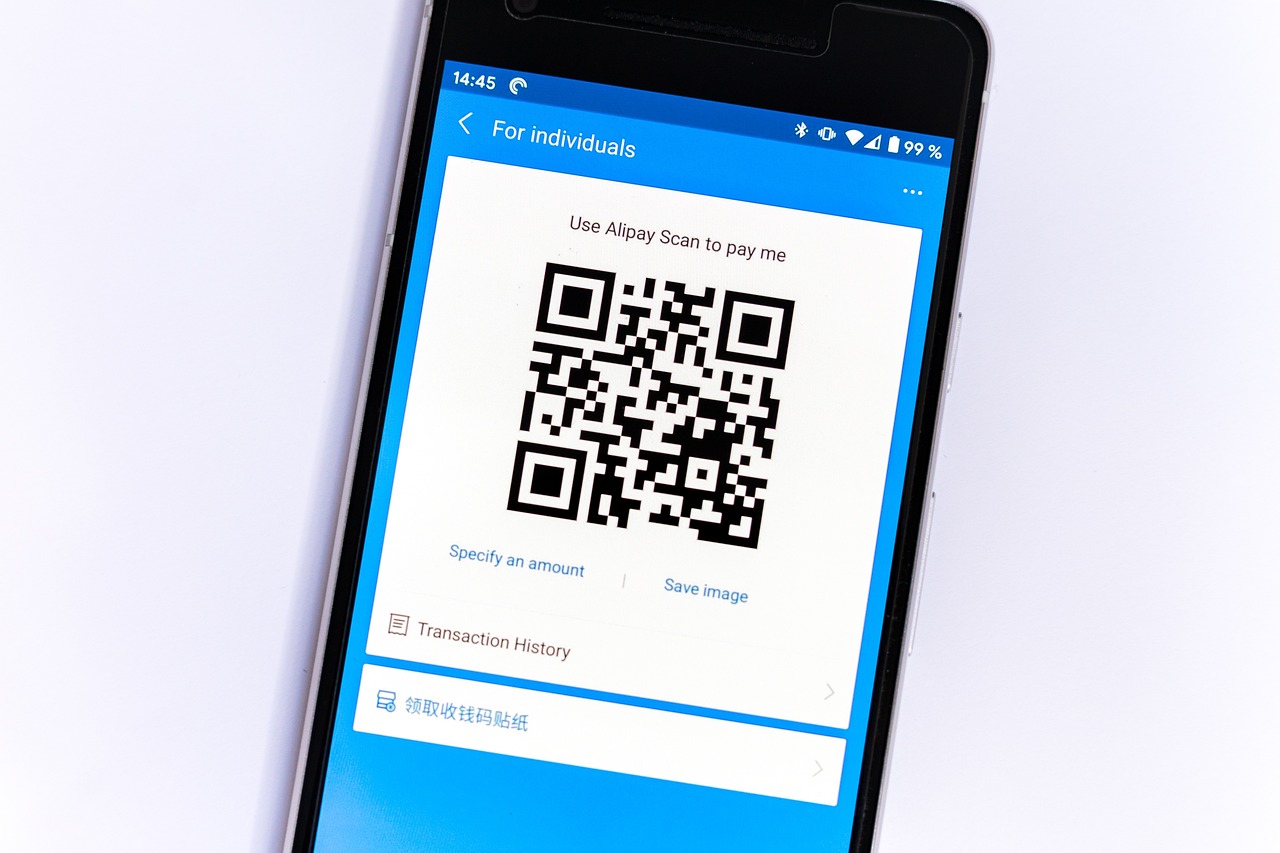
In recent years, the travel industry has been transformed by digital payments, leading to a seamless experience for travelers. Digital payment solutions enable consumers to book flights, accommodations, and activities quickly and securely. With the proliferation of smartphones, passengers can now effortlessly conduct transactions without hassle. Effectively, these systems eliminate concerns around cash handling, translating to convenience and safety for users. As consumers demand speed and reliability, businesses have adopted these methods to remain competitive. In particular, contactless payments using near-field communication (NFC) technology have surged in popularity due to their efficiency. By harnessing this technology, travelers can tap their card or mobile device to complete transactions instantaneously. Additionally, businesses benefit by reducing cash management costs and improving customer trust. The simplicity of using digital wallets like Apple Pay and Google Wallet facilitates quick checkouts during travel, ensuring that users can spend more time enjoying their journey. Furthermore, loyalty programs integrated with payment systems enhance user engagement by providing tailored rewards and promotions. All these factors demonstrate that digital payments are not a trend but a crucial aspect of modern travel hospitality.
As the global travel market continues to recover, financial inclusivity becomes essential, enabling more people to partake in travel. Digital payment platforms are bridging the gap for underbanked populations, offering various options to meet diverse needs. Payment methods like mobile money allow users to transact without a traditional bank account, opening doors especially in regions where banking infrastructure is limited. Countries such as Kenya and Nigeria exemplify how mobile payment ecosystems can foster tourism growth by empowering individuals. Integrated cross-border payment solutions facilitate international travel, enabling travelers to explore and transact without worrying about foreign exchange hurdles. When merchants accept multiple currencies seamlessly, it encourages foreign tourists to spend more freely, enhancing local economies. Furthermore, virtual cards provide an extra layer of security, reducing the risk of fraud during travel. They allow consumers to create temporary card numbers for specific transactions, protecting their financial information when booking online. As a result, digital payments not only promote safety but also enhance the overall travel experience, addressing the unique challenges faced by the hospitality sector. This evolution paves the way for a more inclusive, accessible travel landscape.
Enhanced Payment Security in Travel
Security is a paramount concern for travelers, and digital payment systems are rising to meet these challenges. Fraudulent transactions have historically plagued the travel sector, eroding trust and financial security. However, innovations in technology are shifting this narrative. With advanced encryption and tokenization, sensitive data is effectively protected during transactions, minimizing risk. Biometric authentication, such as facial recognition and fingerprint scanning, adds an extra layer of protection, ensuring that only the owner can authorize payments. Travelers can book accommodations and services with greater peace of mind, knowing their financial information is secure. Additionally, digital payment providers continuously monitor transactions for suspicious activities, enabling immediate alerts for any fraudulent attempts. The accountability fostered by these systems reinforces customer loyalty, as travelers increasingly favor businesses that prioritize their safety. Moreover, companies that implement secure payment processes are likely to attract tech-savvy travelers who seek trustworthy services. By adopting secure digital payment solutions, the travel industry can capitalize on enhanced customer experiences, driving growth while safeguarding against potential financial losses. As technology progresses, the travel industry must adapt to these advancements to maintain security and trust.
The integration of digital payment solutions is not just a convenience but a means to gather valuable data for businesses. Data analytics tools help travel companies track customer preferences, spending habits, and booking behaviors. This information allows businesses to personalize marketing strategies and deliver targeted offers. For instance, airlines and hotels can tailor promotions based on previous bookings or specific travel patterns. Frequent customers could receive exclusive deals, enhancing loyalty programs and thank-you initiatives. The digital transformation also allows for real-time transaction tracking, enabling instant adjustments to pricing and inventory. Customer feedback can also drive product offerings, resulting in a better alignment with market demands. Furthermore, by streamlining transactions, businesses improve their overall efficiency, allowing for better resource allocation and strategic planning. This data-driven approach empowers travel entities to innovate and evolve as consumer preferences shift over time. Overall, leveraging digital payments leads to significant opportunities for growth, revealing insights into consumer behavior that were previously hard to capture. Embracing these technologies enables travel businesses to enhance their strategic initiatives effectively and boost profitability in a highly competitive space.
The Role of Contactless Payments
Contactless payment options have surged in popularity, providing travelers with a fast and convenient way to make transactions. This technology harnesses NFC capabilities, allowing users to pay simply by tapping their cards or smart devices at payment terminals. As the hospitality industry adapts to post-pandemic demands, the desire for sanitized and efficient transactions is greater than ever. Contactless payments reduce the need for cash handling, minimizing physical contact, and ensuring safety for both customers and service providers. Furthermore, businesses can benefit from shortened queues at check-in counters and cashier lines, improving customer satisfaction. With faster transactions, travelers can focus more on their experiences. Moreover, merchants integrating contactless options can attract tech-savvy customers interested in modern conveniences. Customer loyalty increases as positive payment experiences foster overall satisfaction. Interestingly, the rise of smartwatches and wearables supports contactless payments, paving the way for varied payment options. This flexibility allows consumers to choose how they want to enable transactions, adding to their travel convenience. As contactless adoption grows, enhancing overall efficiency and customer experience is guaranteed, solidifying its role in the future of travel payments.
Travelers frequently encounter added fees for currency conversion during international trips. Digital payments mitigate these fees, allowing transparency and real-time exchange rates. This innovative feature promotes fair pricing, enabling travelers to know exactly how much they’re spending in their local currency. Businesses that accept digital payments are often able to provide travelers with more accurate price points right at the time of purchase, eliminating unanticipated costs associated with currency conversion mishaps. This transparent pricing model encourages tourists to patronize local establishments, stimulating the economy. Furthermore, payment processors now offer multi-currency support, allowing for effortless transactions in numerous currencies. Tourists can confidently enjoy their trips without the burdensome task of sourcing local currency. Additionally, the speed of such transactions leads to improved cash flow for merchants, enhancing operational efficiency across the board. Consumers enjoy significant advantages while local businesses capitalize on increased spending from international visitors. By emphasizing transparency in payments, the travel industry can foster better relationships between travelers and service providers, resulting in a more enjoyable travel experience overall that emphasizes convenience and affordability.
The Future of Digital Payments in Travel
The future of the travel industry is undeniably intertwined with the continued evolution of digital payment technologies. Innovations such as cryptocurrency have emerged as potential disruptors, presenting travelers with alternative methods for conducting transactions. As blockchain technology gains traction, its decentralized approach provides inherent security benefits, addressing various challenges in cross-border payments. Additionally, smart contracts may streamline booking processes, ensuring automated and reliable transactions in real-time. Travelers may soon find themselves using digital wallets to carry various currencies, including cryptocurrencies, without worrying about conversion issues. The increasing acceptance of cryptocurrencies by merchants supports this shift, enabling a new wave of travel spending behaviors. Furthermore, voice-activated payment systems could be the next frontier, making transactions seamless for users while enhancing their travel experience. As customer preferences evolve and become more tech-driven, industry stakeholders must be prepared to adapt to these innovative solutions. Investment in next-generation payment technologies will be crucial for businesses to remain competitive. In conclusion, digital payments are set to revolutionize travel, creating a more agile, efficient, and secure ecosystem that resonates with modern consumers’ needs.
This digital transformation has empowered more travelers to engage with diverse cultures and experiences globally. Digital payment solutions create a landscape where navigating financial transactions becomes less daunting, ultimately leading to increased travel activity. As these trends continue to unfold, industries must remain vigilant and proactive about embracing the digital payments space, understanding its implications for their operations. To summarize the massive impact digital payments have made in the travel industry, it is evident they are no longer an option but a necessity for success. Adopting these technologies enhances customer satisfaction while equipping businesses with the tools to thrive in an increasingly competitive environment. Organizations that implement digital payment solutions responsibly will reap the benefits in terms of loyalty, trust, and overall impact on growth. As travelers demand greater flexibility and accessibility, the need for robust digital payment systems will persist. Thus, being proficient in the digital payments space proves vital for those looking to improve travel experiences. Businesses that effectively integrate these systems into their operations will not just survive; they will thrive in today’s innovative travel landscape.