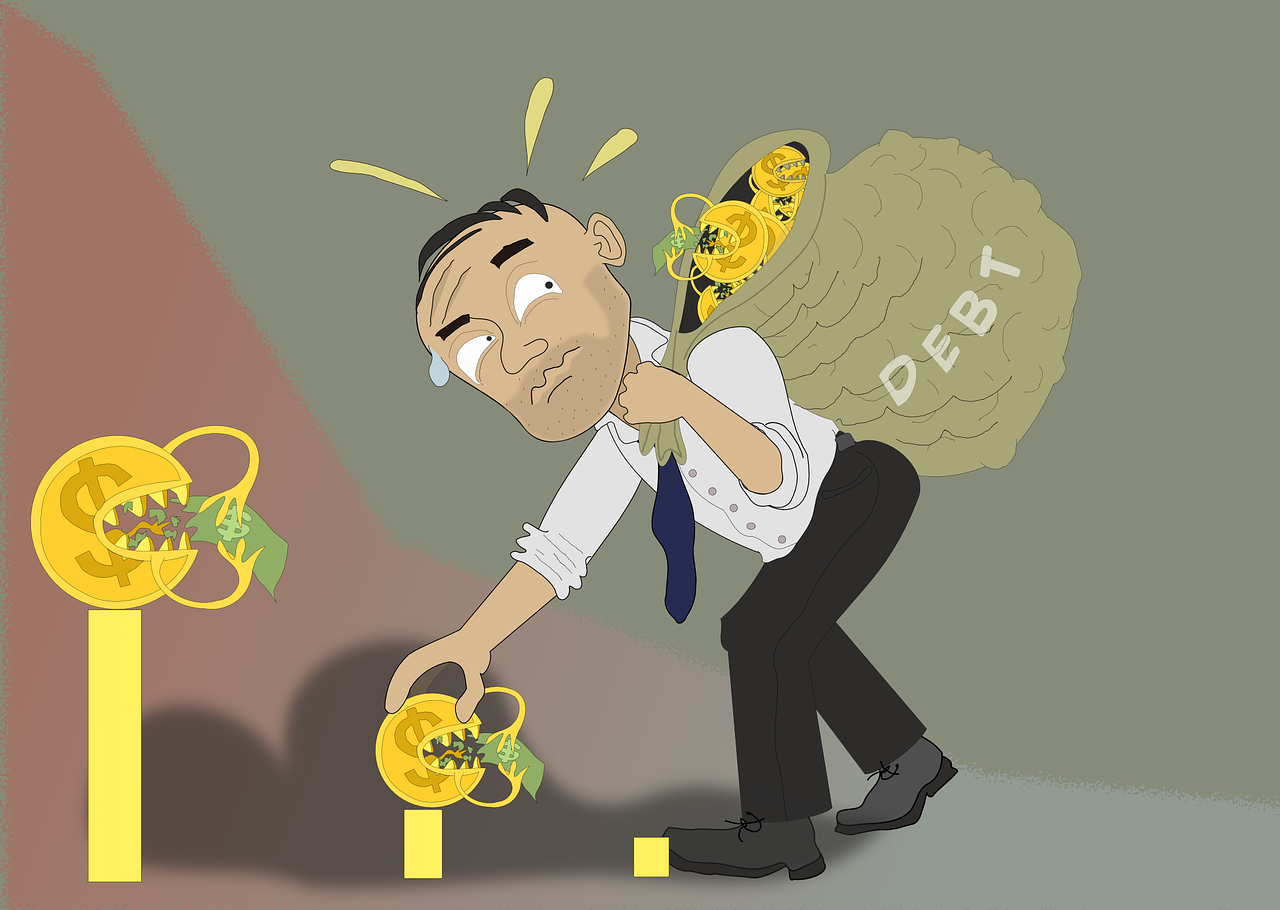

The Role of Personal Debt in Shaping Spending Behavior
Personal debt has become a significant aspect of modern financial life, influencing consumer behavior and impacting economic trends. Many individuals leverage credit cards, loans, and various forms of borrowing to enhance their purchasing abilities. This results in increased consumer spending, essential for driving economic growth. However, excessive debt can lead to financial instability and emotional stress. A balance between spending and saving is crucial for long-term financial health. Savvy consumers often utilize debt strategically while maintaining manageable levels. They set budgets and adhere to spending limits, focusing on necessary purchases. With ongoing financial education, individuals can make informed decisions about debt. Another critical element is interest rates, which affect borrowing costs. Lower rates encourage spending, while higher rates typically lead to a decrease. This interaction influences both personal finance and broader economic dynamics. Additionally, understanding one’s credit score can provide insight into potential borrowing ability and related spending patterns. Cultivating awareness of debt implications fosters responsible economic participation. Economists frequently study consumer debt’s trends to forecast economic conditions effectively.
A substantial amount of personal debt can significantly restrict disposable income and influence spending habits. When consumers are burdened with high monthly payments, their ability to spend freely diminishes. This creates a cycle where essential expenses take precedence over discretionary spending. Many consumers prioritize paying off debts, often limiting purchases in areas such as entertainment, dining, and travel. As a result, economic sectors reliant on discretionary spending may experience fluctuations due to shifting consumer priorities. This population often resorts to finding alternative ways to enjoy life while sticking to budgets, such as using public resources or exploring local, affordable options. Managing debt effectively requires that individuals assess their financial landscape regularly. Creating budgets that acknowledge both debt obligations and spending desires can lead to healthier financial habits. Additionally, engaging in conversations about money management can encourage positive changes in behavior. Financial advisors can provide strategies on prioritizing debt repayment while exploring spending opportunities. Consumer behavior analyses reveal this dynamic influence between debt levels and spending capacity, making proficient financial management paramount in today’s economy. Understanding these relationships contributes to improved financial literacy.
Impact of Consumer Confidence on Debt and Spending
Consumer confidence plays a vital role in personal spending and debt management. When consumers feel optimistic about their financial futures, they are more likely to spend and take on debt willingly. Conversely, economic uncertainties can dampen confidence, leading to reduced spending and increased caution around borrowing. In periods of low confidence, individuals tend to save rather than spend, focusing on debt repayment and financial security. This behavior stabilizes their financial situations but can impede economic growth. Conversely, when confidence rises, individuals often expand their spending, encouraged by perceived job stability and potential earnings growth. Retailers and service providers feel the effects of these shifts as consumer spending patterns fluctuate accordingly. Businesses must adapt to these changing dynamics by aligning inventory and marketing strategies with economic sentiments. High consumer confidence often signals a growing economy, prompting increased investment and job creation. These correlations highlight the essential interconnectedness of trust, debt, and spending. Thus, policymakers and economists track consumer confidence levels closely when forecasting economic health. Fostering a stable and prosperous environment can enhance overall consumer behavior and spending strength.
Financial education is crucial in helping individuals navigate the complexities of debt and spending. Understanding the nature of debts, such as interest rates, fees, and repayment terms, empowers consumers to make informed decisions. With adequate education, individuals can avoid excessive debt and recognize the importance of budgeting. A significant portion of financial literacy programs emphasizes the necessity of distinguishing between wants and needs. This awareness enables people to prioritize spending effectively, promoting a healthier approach to debt. Educated consumers are more likely to consider the long-term implications of their borrowing choices, leading to sustainable financial practices. Additionally, community initiatives focusing on financial literacy can mitigate the risks associated with an uneducated approach to debt. Schools and organizations increasingly recognize the importance of incorporating financial literacy into curricula, preparing future generations for responsible financial management. This shift has the potential to foster a more financially competent population, raising economic stability over time. By prioritizing education, society can enable individuals to create balanced spending habits that accommodate their financial realities, ultimately enhancing their overall economic contributions.
The Influence of Lifestyle Choices on Debt and Spending
Lifestyle choices significantly impact personal spending and debt accumulation. The desire to maintain a particular lifestyle can lead individuals to overspend, often relying on credit to meet their expectations. Expensive habits and luxury purchases can quickly spiral into debt, leaving individuals struggling to maintain their financial commitments. Recognizing and evaluating lifestyle impacts on finances helps in understanding spending behaviors. Individuals can assess whether their financial habits align with their long-term goals. Additionally, embracing minimalism can lead to healthier financial decisions. By focusing on essential needs rather than extraneous wants, individuals can reduce unnecessary expenses and prioritize debt repayment. Social pressures and advertisements also play a role in shaping spending behavior, as individuals may feel compelled to conform to certain societal standards. Understanding these influences empowers consumers to challenge norms and adopt more responsible practices. Awareness fosters resilience against marketing tactics promoting unhealthy spending habits. Choices greatly impact personal finance and reflect an individual’s values and priorities. Redefining lifestyle expectations and embracing sustainable spending patterns can lead to significant improvement in managing personal debt.
Interest rates significantly affect spending behavior and decisions regarding personal debt. When interest rates are low, borrowing costs decrease, making it appealing for consumers to engage in additional spending through credit. Individuals often view low rates as an opportunity to finance big purchases, such as homes and vehicles. However, the opposite holds true in high-interest environments, where borrowing becomes increasingly expensive. As a result, consumers typically prioritize paying off existing debts over accumulating new ones. A higher cost of borrowing encourages saving, as individuals look for ways to manage their finances more effectively. Hence, fluctuations in interest rates can reshape overall consumer sentiment and behavior. The responsibility of setting rates often lies with central banks, aiming to balance economic growth and inflation. Thus, monitoring economic indicators helps in predicting interest rate trends. Consumers must remain informed about these changes, adjusting their financial strategies accordingly. Financial advisors recommend regularly reviewing debt portfolios to align with current interest rates. Consequently, an informed understanding of interest rates can lead to improved financial management and decision-making during varying economic conditions.
Conclusions and Future Perspectives
The interplay between personal debt and spending behavior remains crucial in shaping both individual financial health and broader economic trends. As consumers navigate complex financial landscapes, the importance of financial literacy becomes increasingly apparent. Understanding the implications of debt on spending habits can foster healthier financial practices and promote long-term stability. In conjunction, societal shifts toward sharing education and resources can empower individuals in making informed decisions. Encouraging responsible borrowing, along with promoting savings, is essential for building resilience against future economic challenges. Additionally, addressing systemic issues, such as credit access and financial inequalities, contributes to healthier spending patterns. Supportive financial infrastructures and community guidance can improve overall economic participation. Policymakers, educators, and organizations play a pivotal role in fostering these environments. The responsibility to navigate personal debt and spending behavior ultimately lies within individuals, emphasizing the need for self-awareness and proactive planning. As the economic landscape continues to evolve, individuals equipped with knowledge and strategies can thrive amidst uncertainties and enjoy improved financial well-being. Monitoring these trends will be essential as we move forward in an increasingly complex financial world.