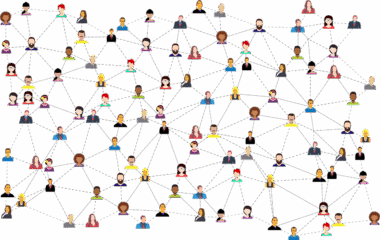

Utilizing Internal Social Networks for Enhanced Collaboration
In today’s fast-paced corporate world, businesses are increasingly turning to internal social networks to facilitate cross-departmental communication. These platforms provide employees with the ability to connect, share, and collaborate beyond traditional silos. A well-implemented internal social network can enhance collaboration by fostering the exchange of ideas and information. One of the main advantages is that it allows employees from various departments to engage in discussions and projects. Communication through social networks is often less formal and more engaging, resulting in higher participation rates. Communication barriers that typically exist between departments can be reduced. Additionally, these networks can function as centralized hubs for team updates, project timelines, and feedback. Companies can provide real-time information, which can increase transparency among departments. By addressing the need for open communication, internal social networks can significantly improve teamwork. The bottom line is that when employees have more access to each other, they are more likely to collaborate effectively. Enhanced collaboration can lead to innovative solutions that drive the business forward. In conclusion, embracing social networks can revolutionize cross-departmental communication and enhance overall productivity within organizations.
To fully leverage the benefits of internal social networks, companies must focus on creating an engaging environment. Users should feel encouraged to participate without fear of negative repercussions. To achieve this, businesses can implement a few strategies. First, setting clear guidelines for communication can help in managing discussions effectively. These guidelines should outline acceptable behavior and communication styles. Encouraging employees to share their expertise fosters a culture of knowledge sharing. Peer recognition through shout-outs or highlighted posts can further motivate employees to engage. Moreover, integrating gamification elements can make the interaction more enjoyable. Leaders often play a crucial role in promoting engagement within these networks. By actively participating and sharing valuable insights, executives can set a positive example. Another helpful tactic is to organize virtual events or webinars that foster interaction among employees across departments. These events not only facilitate informative discussions but also build personal relationships. Implementing user feedback mechanisms is also crucial as this allows employees to voice their opinions on improving the platform. When employees feel their input is valued, they are more likely to continue using the network for collaboration.
Challenges in Cross-Departmental Communications
While using internal social networks can enhance collaboration, there are also challenges to consider. One primary concern is potential information overload, given the volume of messages and updates that can be shared. Employees may feel overwhelmed by constant notifications and updates, leading to reduced engagement over time. Another challenge comes from the varying levels of digital literacy within organizations. Not all employees may be equally comfortable using social media-like platforms for communication. It’s crucial for organizations to provide proper training to ensure everyone can navigate the network efficiently. Additionally, maintaining a balance between informal and formal communication is necessary. Too much informality can dilute critical messages, while excessive formality may discourage casual engagement. There’s also the risk of misinformation spreading more easily in a fast-paced environment. Thus, organizations need to implement fact-checking protocols within their networks. Furthermore, cultural differences between departments can influence communication styles. Some departments may be more inclined toward formal language, while others prefer casual wording. Understanding these differences can help tailor the platform’s use to meet diverse needs while fostering cohesion.
Security and privacy concerns are critical when implementing internal social networks. Employees may hesitate to share ideas or feedback due to fears of surveillance or data misuse. Organizations must ensure that privacy settings are transparent and that employees understand who can view their messages and contributions. Data protection policies should be clearly communicated to alleviate employee concerns about confidentiality. Additionally, it’s essential to consider the accessibility of the network. Some employees may face challenges related to geographic location or time zones. Offering mobile access or ensuring that the platform is accessible on various devices can mitigate these issues. Having an easily navigable interface is also critical to ensuring user engagement among employees of various skill levels. Regular assessments of the platform’s effectiveness and user satisfaction is another key component. Organizations should schedule periodic evaluations to gather feedback on the ease of use, features, and overall experience. This ongoing evaluation allows for necessary updates and improvements to meet employees’ changing needs. Creating a dedicated support team that addresses concerns quickly can further enhance user confidence in the platform, leading to a more collaborative atmosphere.
Best Practices for Implementing Internal Social Networks
To successfully implement an internal social network, organizations must adopt best practices that foster an inclusive community. First, it is vital to involve employees in the decision-making process. By seeking their input on the platform’s design and features, companies can tailor the experience to meet their unique needs. Conducting surveys or focus groups can provide valuable insights. Furthermore, establishing a roll-out plan that includes transparent communication is essential for ensuring that employees understand the network’s purpose. Providing training sessions tailored to various skill levels can significantly increase user adoption rates. Organizations should also appoint champions or facilitators from different departments to promote usage. These champions can offer support and encourage participation by sharing success stories. Another practice is to regularly publish content relevant to employee interests, focusing on professional development, project updates, and best practices. This content can act as a draw, motivating employees to return to the platform. Additionally, measuring engagement metrics over time can help identify areas needing attention. By analyzing these metrics, organizations can adjust strategies accordingly and continuously improve the user experience.
Promoting cross-departmental collaboration can significantly affect overall company culture. Encouraging informal interactions through virtual coffee breaks or casual chat groups can break down communication barriers between departments. These informal settings create opportunities for employees to bond and share non-work-related interests, enhancing relationships and trust. The collaborative spirit cultivated through meaningful relationships leads to better teamwork. Celebrating team achievements publicly on the internal network can inspire all employees. Recognizing collective accomplishments fosters a sense of belonging and motivates others to engage more actively. Moreover, utilizing project-based groups within the network can ensure that team members have a specific audience for their ideas and feedback. These groups allow for focused discussion streams while enabling cross-departmental connections. Furthermore, encouraging employees to share valuable resources, such as articles or tools that benefit others, can facilitate a culture of knowledge-sharing. Organizations can periodically feature “knowledge champions” who share insights within the network, promoting further engagement. Ultimately, fostering a collaborative culture through consistent interactions can reshape business outcomes, leading to innovative solutions and enhanced productivity.
The Future of Internal Social Networks
As technology continues to evolve, the future of internal social networks looks promising. Trends such as Artificial Intelligence (AI) are becoming increasingly integrated into these platforms. AI can analyze interactions and suggest relevant connections and content tailored to individual users. Additionally, predictive analytics can help organizations anticipate communication gaps and employee needs proactively. The growth of remote teams adds complexity, increasing the demand for these platforms. Virtual reality (VR) features may soon emerge, allowing team members to connect in simulated environments, promoting a more engaging experience. Moreover, there is a significant focus on employee well-being. Internal social networks may evolve to include wellness resources, encouraging team collaboration around mental health initiatives. Furthermore, as businesses increasingly prioritize sustainability, these networks can play a role in communicating and uniting efforts for environmental responsibility. Building connections for purpose-driven initiatives can enhance collaboration among employees passionate about such causes. Harnessing the potential of these emerging technologies will ensure that internal social networks remain effective tools for fostering a collaborative workplace. As organizations adapt, they can leverage these platforms to create more dynamic and interconnected teams, paving the way for future innovations.
In summary, utilizing internal social networks offers immense potential for improving cross-departmental collaboration. By creating engaging environments, establishing best practices, and acknowledging challenges, organizations can facilitate effective communication. As businesses adapt to technological advancements, embracing these platforms ensures not only enhanced collaboration but also innovation that drives success. The decision to implement these networks must prioritize employee participation, ensuring that all voices are heard. Cultivating a culture of transparency and trust is essential for meaningful engagement. Companies must also be proactive in addressing security and privacy concerns while promoting inclusivity. By fostering connections through informal and formal interactions, organizations can break down silos, leading to stronger relationships across departments. As the future unfolds, harnessing emerging trends and technologies will further enhance collaboration among employees. Ultimately, elevated collaboration leads to improved problem-solving, creativity, and business outcomes. Companies that prioritize internal social networks position themselves for future success and can navigate increasingly complex business environments. Investing in a collaborative culture will undoubtedly yield dividends, driving every employee toward shared goals. Thus, creating an interconnected workplace is not merely a trend but a strategic imperative for modern organizations.