
Building Resilient Secure Trading Infrastructure in Finance
In today’s financial world, secure trading systems and platforms are crucial for maintaining trust and safety. As the financial markets evolve, so do the threats against them. Financial institutions must prioritize the development of resilient infrastructure. Implementing robust cybersecurity measures is essential to thwart attacks that can compromise sensitive data. The increasing frequency and sophistication of cyber threats make it imperative for organizations to stay ahead. Regulatory requirements also necessitate high-security standards. Moreover, stakeholders must ensure that trading platforms employ the latest encryption protocols and compliance checks. This mitigates risks associated with unauthorized access and data breaches. Educating employees on security policies enhances the organizational response to potential threats. Regularly updated training sessions keep staff aware of new phishing techniques and attack vectors. By performing ongoing assessments and implementing advanced security technologies, finance professionals can create a secure trading environment. Conducting thorough risk analyses early in the design of trading infrastructures assists in identifying vulnerabilities. Thus, institutions can make informed decisions to bolster defenses effectively, leading to a trustworthy trading ecosystem that users can rely on for their financial activities.
To build resilient secure trading systems, financial institutions require robust architecture. The foundation of effective trading platforms is a multilayered security strategy, which emphasizes different aspects of protection. Organizations should incorporate technologies such as firewalls, intrusion detection systems, and real-time monitoring solutions into their infrastructure. Effective collaboration among departments is vital for ensuring that all components work harmoniously together. By fostering a culture of security awareness, organizations can significantly reduce the risk of insider threats. Secure trading platforms benefit from regularly updated software and strong authentication methods, ensuring that only authorized personnel gain access to critical systems. Additionally, financial institutions must regularly test their systems to identify vulnerabilities. Penetration testing and simulation exercises are effective ways to evaluate existing security measures. Organizations should always be ready to adapt to the evolving cybersecurity landscape. Engaging third-party security firms for audits can deliver fresh perspectives and insights on security resilience. Moreover, keeping abreast of the latest regulatory changes will ensure compliance and help organizations avoid penalties. Ultimately, building robust secure trading infrastructure relies on a systematic approach involving technology, people, and processes working cohesively together.
Data Encryption and Secure Transactions
Data encryption plays an essential role in secure trading systems. Strong encryption protocols are necessary for protecting sensitive information like account details, transaction histories, and client identities. Finance professionals understand that data at rest and in transit must both be secured through advanced encryption technologies to prevent interception by malicious actors. Implementing SSL/TLS protocols ensures secure communications between clients and the trading platform. Additionally, organizations should consider employing two-factor or multi-factor authentication methods, which add an extra layer of security. Encrypting data limits unauthorized access and deters potential breaches, hence maintaining privacy. Consistently reviewing and updating encryption standards helps address newer threats emerging in the financial sector. Establishing secure channels through which clients can view their information promotes transparency and trust. Furthermore, businesses must have a robust data management policy that outlines how sensitive data is to be handled, retained, and destroyed. These policies should also address incident response strategies should a breach occur, ensuring swift resolution. Building a trustworthy environment encourages clients to conduct business confidently, and robust data encryption is a key component in achieving that goal.
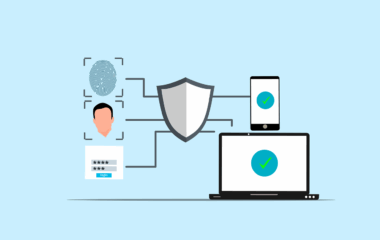
Incorporating technology into secure trading systems improves both efficiency and security. There are numerous innovative technologies available for securing financial transactions and enhancing overall performance. For instance, blockchain technology offers an immutable record of transactions that enhances security. With blockchain’s decentralization, it reduces the risk of single points of failure. Additionally, utilizing AI-powered tools for fraud detection has proven effective in identifying unusual activity in trading patterns. Machine learning algorithms can analyze large datasets to recognize trends and anomalies, facilitating timely responses to potential threats. Ensuring the compatibility of trading systems with emerging technologies is essential for maintaining a competitive edge. Moreover, organizations must invest adequately in research and development to explore new defenses continuously. Implementing automated systems for real-time monitoring streamlines reactions to breaches, limiting damage. The integration of biometric authentication further strengthens system access security, helping verify user identities more reliably. A layered security approach that incorporates traditional and innovative methods ensures comprehensive protection. This blend is critical in offering traders an efficient and secure trading environment, ultimately ensuring confidence within the financial ecosystem.
Compliance and Regulatory Standards
Adhering to compliance and regulatory standards is fundamental for financial institutions. Regulatory bodies impose strict guidelines to ensure that trading platforms uphold security and performance standards. Meeting these requirements is crucial for maintaining operational licenses and avoiding hefty penalties. Organizations must be aware of local and international regulations as the finance sector operates globally. Regularly auditing systems ensures compliance with evolving regulations while adjusting security measures accordingly. Additionally, organizations must create a compliance culture that emphasizes the importance of adhering to regulations among employees. Implementing training programs focused on compliance helps raise awareness and instills responsibility. Proper documentation is significant; organizations need to maintain records of procedures, incidents, and compliance status for future reference. Engaging legal counsel to review policies will ensure that measures align with current legal requirements. Moreover, utilizing compliance management tools can streamline adherence across various departments, improving overall organization efficiency. Building a reputation for compliance and ethical operations fosters trust among clients and regulators, enhancing brand loyalty. Ultimately, integrating compliance into the infrastructure of secure trading systems offers a path to sustained success in the finance industry.
Furthermore, fostering cybersecurity partnerships within the industry can enhance secure trading systems. Collaboration among financial institutions allows sharing valuable insights and best practices for combating cyber threats. Establishing networks for threat intelligence can equip organizations with timely information on emerging risks. By pooling resources, firms can invest collectively in cutting-edge technologies and talent, which may be financially unfeasible independently. Furthermore, collaborating on research can result in innovative security solutions tailored to the specific challenges faced by the sector. Hosting joint workshops and conferences encourages knowledge transfer and helps strengthen industry ties. Engaging with cybersecurity firms and advocating for shared security frameworks fosters overall resilience. Financial institutions can benefit significantly from cybersecurity communities and initiatives, fostering a collaborative environment that promotes shared safety. Being active participants in these networks not only enhances individual organizations but also contributes to a more secure financial ecosystem. Ultimately, by respecting the importance of collaboration, institutions set a strong foundation for their secure trading infrastructures, paving the way for improved trust and security for all stakeholders involved.
Future Trends in Secure Trading Infrastructure
Looking ahead, the future of secure trading infrastructures appears promising. With continuous advancements in technology, firms must remain agile in adapting to changes. The increasing integration of artificial intelligence is expected to reshape trading systems. AI can not only streamline operations but also bolster security measures by analyzing vast amounts of data for unusual patterns. Predictive analytics will become crucial for foreseeing potential trading issues, allowing firms to mitigate risks proactively. Additionally, cloud computing offers scalable resources for processing information securely and efficiently. However, security must remain a key focus in cloud adoption. Ensuring that appropriate safeguards are in place with cloud providers will dictate how securely data is managed and shared. Furthermore, the rise of decentralized finance (DeFi) platforms introduces new security considerations due to their use of smart contracts. Financial institutions must evaluate potential vulnerabilities associated with this technology. Compliance with user privacy expectations will also require adaptation as regulations continue to evolve. By staying informed on trends and emerging threats, organizations can enhance secure trading infrastructure, ultimately ensuring a safer environment for all stakeholders in finance.
In conclusion, developing resilient secure trading infrastructure is essential for the financial industry. As it faces increasing cyber threats, the importance of implementing an effective security strategy cannot be overstated. The integration of state-of-the-art technologies and adherence to compliance standards is vital. Alongside these efforts, fostering a culture of security and collaboration among institutions strengthens defenses further. Creating an environment where staff is aware and educated about potential threats empowers organizations to act decisively against risks. Regular audits and updates to systems create a proactive stance towards vulnerabilities. Engaging in partnerships within the industry enables shared learning and resource pooling, creating a broader safety net. As trends evolve, firms must remain flexible and open to embracing technological innovations. By keeping consumers informed and reassuring them of their safety, organizations can build trust that strengthens the relationships within the financial ecosystem. In having a robust, secure trading infrastructure, finance professionals will be better equipped to handle challenges and capitalize on opportunities. Ultimately, this strong foundation not only enhances security but also supports sustainable growth within financial markets, ensuring they remain resilient against future threats.