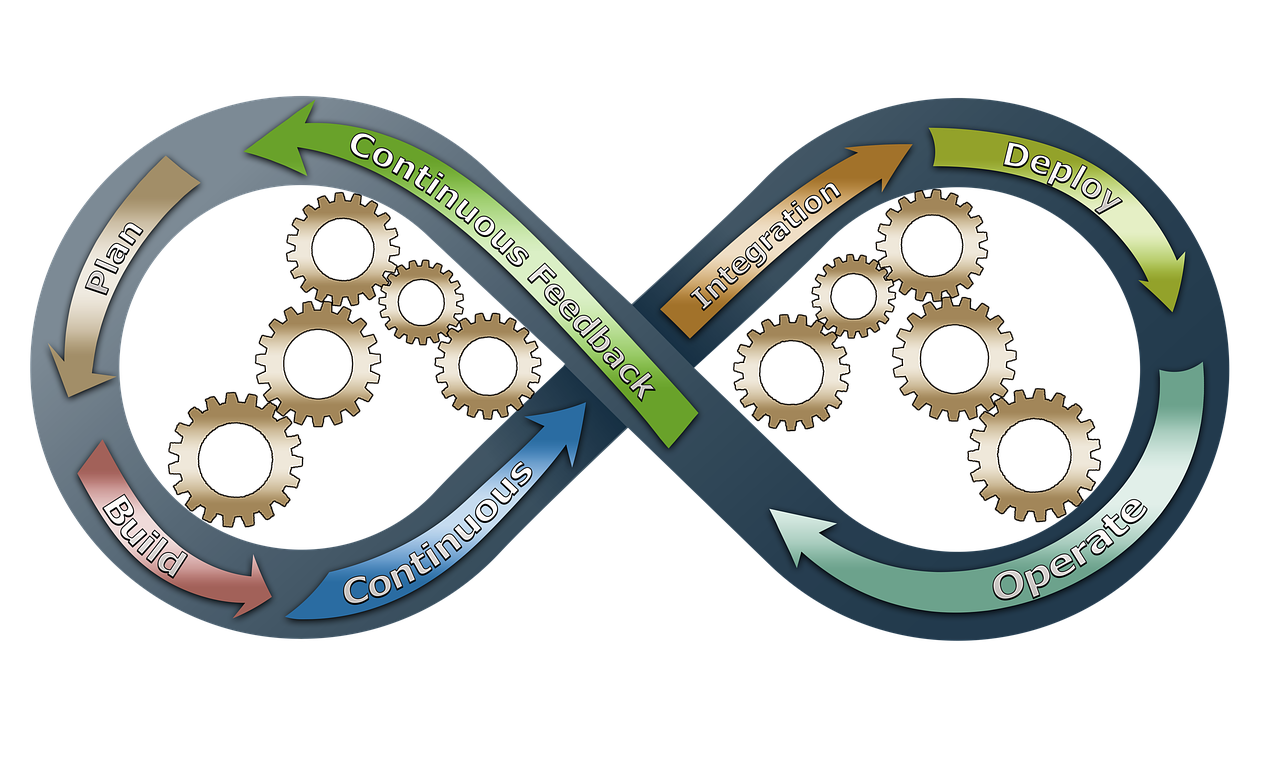

Continuous Delivery and DevOps in SaaS Development
The landscape of Software as a Service (SaaS) is rapidly evolving, emphasizing the critical need for robust approaches to software delivery. Continuous Delivery (CD) and DevOps practices form the backbone of this transformation by streamlining development cycles, reducing deployment risks, and enhancing overall product quality. Within the SaaS model, organizations adopting CD can efficiently release updates and features, continuously improving their customer engagement and experience. This agile approach offers significant advantages, such as faster turnaround times and increased adaptability. Moreover, it fosters a culture of collaboration across teams, breaking down silos often seen in traditional software development processes. As companies aim to innovate and respond quickly to market changes, integrating CD and DevOps not only becomes beneficial but essential. By automating workflows and implementing rigorous testing practices, development teams can ensure reliable releases that maintain software stability while rolling out new features. Furthermore, adopting these practices helps organizations meet compliance and regulatory requirements, which can be particularly demanding in today’s digital economy. To maximize the benefits, organizations must embrace a mindset of continuous improvement, always seeking ways to optimize their software delivery processes.
The Role of Automation in SaaS
Automation plays a pivotal role in the successful implementation of Continuous Delivery and DevOps practices in SaaS development. By leveraging tools that automate various stages of the development lifecycle, organizations can enhance their operational efficiency significantly. Automation reduces the manual effort required for deployment, testing, and monitoring, allowing development teams to focus on creating value-added features rather than routine tasks. For example, continuous integration (CI) tools can automatically test code changes, ensuring that new updates do not introduce bugs. Moreover, automated deployment strategies allow teams to release features to their end-users without downtime, thereby maintaining the quality and reliability of the software. Additionally, automation fosters consistency across deployments, as scripts and templates can be reused across environments. This also helps minimize human error, which is crucial when managing complex SaaS architectures. Teams can also benefit from automated rollback procedures, ensuring that in case of failure, they can revert to a stable state quickly. Overall, embracing automation within SaaS not only optimizes workflows but also boosts team morale and enables rapid innovation in response to market demands.
Collaboration among cross-functional teams is another cornerstone of implementing DevOps in SaaS environments. Effective communication and teamwork between development, operations, and quality assurance teams are essential for overcoming the challenges posed by traditional silos. A collaborative culture encourages sharing insights and expertise, promoting innovative solutions and efficient problem-solving. Furthermore, employing tools and platforms that facilitate collaboration can enhance this process, ensuring transparency and visibility across teams. Various communication tools and project management software enable team members to coordinate efforts effectively, track progress in real-time, and promptly address any issues. This approach bolsters an organization’s ability to deliver features that align with customer expectations and market trends. Additionally, fostering a culture that values shared responsibility for the entire software lifecycle promotes proactive participation among team members. Each individual becomes accountable for the quality and performance of the product, leading to more robust outcomes. As teams break down barriers, they can implement feedback loops that enhance the overall development process. Continuous improvements can be driven by feedback from various stakeholders, including customers, which directly influences the evolution of the SaaS offering.
Enhancing Security in SaaS Development
Security considerations are paramount when adopting Continuous Delivery and DevOps in SaaS development. With increased frequency in releases, the potential for vulnerabilities also escalates, making it crucial to integrate security practices into the software delivery pipeline. This approach, often referred to as DevSecOps, promotes the idea of building security from the ground up rather than as an afterthought. Organizations can implement automated vulnerability scanning and threat assessment tools to identify weaknesses early in the development process. Additionally, applying security patches and compliance checks should become a routine part of the CI/CD pipelines, ensuring that every deployment meets the required standards. Furthermore, educating development and operations teams about security best practices is essential in cultivating a security-first mindset. Regular training and workshops can help teams recognize potential threats and understand their implications. By prioritizing security, SaaS organizations can build trust with their customers and stakeholders, demonstrating a commitment to protecting user data and maintaining compliance with regulations. Ultimately, incorporating security into the DevOps culture facilitates not only the seamless delivery of features but also safeguards the integrity of the software.
Navigating the inherent challenges of adopting Continuous Delivery and DevOps in SaaS also requires a strategic mindset. Organizations must assess their infrastructure, tools, and workflows to identify areas needing improvement. Transitioning to a CD and DevOps model is not merely a technical shift but often demands a cultural transformation as well. Leadership commitment and support are crucial in driving this change, as they set the tone for collaboration and innovation across the organization. Engaging employees in this journey will ensure that they understand the value and benefits of these practices, fostering their buy-in. Additionally, it is essential to establish scalable workflows that can accommodate growth and changes in demand. Organizations can experiment with pilot projects that allow teams to test and refine their processes before fully committing to a company-wide rollout. Gathering insights from these initial efforts can help address potential pitfalls early in the transition. Moreover, actively seeking feedback from users post-implementation can offer valuable lessons for continuous refinement. This iterative approach enables organizations to navigate the complexities of their CD and DevOps journey effectively.
The Future of SaaS Innovations
As we look to the future of SaaS innovations, Continuous Delivery and DevOps practices will play a critical role in shaping how software solutions are developed and delivered. The ongoing evolution of technology, including cloud computing and artificial intelligence, necessitates agile and responsive development methodologies. Organizations that embrace these practices will be better equipped to leverage emerging technologies, responding to customer needs and market dynamics effectively. Furthermore, as competition intensifies in the SaaS space, companies must innovate continually to differentiate themselves. Continuous delivery allows organizations to iterate quickly, rolling out features that provide tangible benefits to users. As the future unfolds, we may also see the integration of advanced analytics and machine learning capabilities into CI/CD pipelines. These tools can provide insights that further enhance decision-making, optimizing the software delivery process. Additionally, the importance of user feedback in shaping product development will amplify as organizations recognize that customer-centric approaches lead to higher satisfaction rates. Overall, embracing Continuous Delivery and DevOps in SaaS development positions organizations for sustained growth and resilience in an ever-evolving digital landscape.
In conclusion, the synergy between Continuous Delivery and DevOps is essential for success in SaaS development. By automating workflows, simplifying communication, and prioritizing security, organizations can streamline their software delivery processes and enhance product quality. The culture of collaboration fosters not only innovation but also trust among teams, which is vital in today’s fast-paced technological landscape. Companies ready to embrace these practices are poised to respond promptly to market demands, rolling out updates and features that align with customer needs. As the SaaS industry continues to evolve, organizations that cultivate a mindset for continuous improvement will thrive, setting new standards for excellence. The journey into Continuous Delivery and DevOps may present challenges, but the rewards significantly outweigh the risks. Those who venture into this transformative process will discover enhanced efficiencies, improved security, and a more engaged customer base. Moreover, the potential to integrate emerging technologies ensures that organizations remain at the forefront of innovation. Ultimately, adopting these practices is not just a choice; it is a necessity for any SaaS organization striving to remain competitive and relevant.
As SaaS continues to grow and evolve, the adoption of Continuous Delivery and DevOps practices is becoming increasingly important. Organizations must recognize the disruptive potential of these methodologies and adapt accordingly. By prioritizing collaboration, automation, and security, SaaS companies can maintain an edge in a competitive market. This alignment with industry best practices will create agile organizations capable of adapting quickly to change. The future of SaaS is bright for those willing to embrace innovation and drive continuous improvement, ensuring sustainability and customer satisfaction.