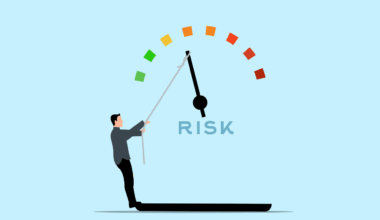

How Inflation Rate Influences Real Estate Prices
Understanding how the inflation rate affects real estate prices is critical for buyers, sellers, and investors. Inflation essentially refers to the rise in prices of goods and services over time, which has direct correlations with the real estate market. When inflation rates increase, the cost of materials and labor for property development also rises. This leads developers to charge more for new buildings. As prices rise in the housing market, many potential homeowners can become discouraged, leading to reduced demand. Thus, inflation can create a cycle where prices rise, demand dips, and activity in the real estate market slows down. Furthermore, high inflation often results in increased interest rates, which further compounds the issue. Borrowers may struggle with higher mortgage payments as the central banks adjust monetary policies to combat inflation. It’s important to also consider how inflation impacts rental prices, often causing landlords to seek higher rents to keep pace with rising costs. Understanding these dynamics can guide stakeholders in making informed decisions regarding buying and investing in real estate during inflationary periods.
Additionally, examining historical trends provides insight into how inflation affects real estate prices over time. Various studies indicate that, during inflationary periods, properties generally appreciate in value, albeit at different rates depending on other economic factors. For instance, regions experiencing robust economic growth and job creation tend to see real estate prices rise more sharply, while areas with stagnant economies may not experience similar trends. This can create attractive investment opportunities amid inflation, particularly in areas where housing demand remains strong, despite rising prices. Investors might focus on markets with limited housing supply, where they can capitalize on continued demand even during inflationary phases. It’s also worth noting that inflation affects different property types differently. Residential real estate typically experiences steady demand, but commercial property can be more sensitive to economic conditions, like employment rates and consumer spending habits. Investors will thus need to discern the nuances of property types while considering inflation trends. Understanding these historical correlations equips market players with the foresight needed to navigate the complexities of real estate investment in inflationary times.
Inflation’s Impact on Purchasing Power
Another critical aspect of the inflation rate’s influence on real estate prices relates to purchasing power. When inflation rises, the purchasing power of consumers declines, meaning they can buy less with their income. This reduction can negatively impact the affordability of homes for first-time buyers and lower-income families. Conversely, individuals with fixed-rate mortgages may benefit from inflation, as their repayment amounts remain constant while inflation decreases the value of money over time. Consequently, those holding onto assets might find that their investments gain value relative to the currency’s diminishing purchasing power. Understanding these dynamics can be pivotal for both buyers and investors. Homebuyers must assess their financial capabilities carefully to avoid overextending themselves amid rising prices. It’s crucial to strategize and possibly lock in fixed-rate financing before rates potentially increase further. Investors may choose to adjust their portfolios to focus on properties that can maintain or increase their rental income. By considering inflation as a fundamental component of the economy, individuals can better navigate the real estate landscape, ensuring their purchases align with financial goals and market conditions.
Additionally, economic conditions vary throughout different geographic areas, which affects how inflation impacts real estate prices. Urban centers may experience elevated demand for housing, harboring industries that attract workers, while rural areas might see stagnation as manufacturing jobs decrease. This discrepancy in demand can lead to price divergences, even regional boom-and-bust cycles. Investors should therefore pay close attention to both macroeconomic indicators and local trends. Understanding interest rates and employment figures can provide deeper insights into inflationary effects. For example, regions with increasing job opportunities may see less fluctuation in housing prices despite rising inflation. Meanwhile, communities with limited employment options may struggle to maintain property values. Identifying emerging markets where jobs are being created can reveal pathways for capital investment. Research into local economic indicators can reveal significant investment opportunities. For those looking to capitalize on inflation and its relationship with real estate assets, astute market research becomes essential. As inflationary trends are often interlinked with broader economic shifts, being informed is necessary to stay ahead of the curve in a competitive real estate marketplace.
The Role of Interest Rates
Interest rates play a pivotal role in the relationship between inflation and real estate prices. As inflation rises, central banks typically respond by increasing interest rates to stabilize the economy. Higher interest rates make borrowing more expensive, impacting potential homebuyers and investors. When mortgage rates increase, affordability diminishes, resulting in fewer qualified buyers. This diminished pool of buyers can cause a slowdown in the housing market, which subsequently affects property values. As interest rates surge, many prospective homeowners reevaluate their plans to purchase, potentially leading to a price correction in the real estate market. Investors need to stay vigilant regarding interest rate predictions, as these can influence their investment strategies significantly. Properties that offer stable cash flow and potential cash-rich investment options become increasingly attractive in higher rate environments. Additionally, adjusting one’s financial structure may be crucial in anticipation of rising costs. Strategies like refinancing with lower fixed-rate mortgages or investing in real estate investment trusts (REITs) can help navigate these turbulent waters. Being informed about interest rate trends will equip investors and homeowners to make strategic decisions that align with their financial objectives.
Moreover, inflation can alter the dynamics of rental markets significantly. As housing prices rise, landlords may increase rents to offset their higher costs associated with property maintenance, insurance, and local property taxes. This, in turn, influences tenant affordability, leading some renters to seek alternatives in more affordable neighborhoods. In high inflation environments, the rental market may experience volatility where landlords might secure higher rents quickly, but vacancies might also increase as more people are priced out. Savvy investors may want to consider properties that provide more affordable options during inflationary times or properties located in areas showing resilience in demand. This may also lead to innovation in rental offerings, such as flexible leasing arrangements or rent control policies. Investors who can adeptly navigate these pressures will find themselves in a favorable position. For instance, multi-family units often retain demand even in challenging economic climates, making them an appealing focus for investment during inflationary periods. As a result, monitoring rental market trends becomes essential for investors looking to adapt to shifting economic landscapes driven by inflation.
Long-term Investing Strategies
In light of the inflationary landscape, long-term investment strategies in real estate can facilitate enhanced stability and potential growth. Real estate is often seen as a hedge against inflation since property values and rents can appreciate over time. Investors are encouraged to assess the long-term outlook for real estate rather than focusing solely on short-term market fluctuations. Properties that can withstand economic shifts, such as those in prime locations or those with essential amenities, usually provide consistent returns. Furthermore, organizations and individuals need resilience in tenancies, ensuring good relationships with tenants. By maintaining properties effectively and pricing smartly, landlords can lessen turnover and keep their income consistent, even in fluctuating markets. It’s also wise to diversify holdings across different property types and geographic areas to mitigate risks associated with inflation. While certain sectors may face challenges during high inflation periods, others may thrive. Investors who prioritize long-term strategies and prepare their portfolios for adjustments can potentially maximize their opportunities. The key is to stay adaptable while being educated about broader economic trends and their potential impacts on the real estate market.
In summary, the interplay between inflation rates and real estate prices significantly influences market dynamics. Homebuyers, sellers, and investors must stay informed about inflation impacts and adjust their strategies accordingly. Understanding how inflation affects purchasing power, interest rates, and rental markets is crucial for effective decision-making. Persistence in long-term strategies typically yields positive outcomes as property values tend to appreciate over time. Those entering the real estate market during inflationary periods must think critically about their financial plans and prioritize adaptability. Keeping an eye on macroeconomic trends will enable all market participants to leverage their investments effectively. A solid grasp of these concepts can guide choices that pave the way for financial success in any economic environment. In addition, continually reassessing market conditions prepares investors for any potential changes ahead.