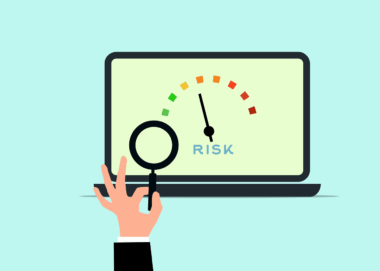

Implementing Technology Solutions for Efficient GRC Management
Effective Governance Risk and Compliance (GRC) management is crucial for organizations facing a multitude of regulatory requirements and operational risks. In today’s digital age, technology plays a pivotal role in transforming how businesses approach GRC. By integrating technology, organizations can streamline their processes, reduce manual errors, and enhance overall efficiency. One of the primary advantages of implementing technology solutions is improved data accessibility. Stakeholders can access critical information in real-time, enabling quicker decision-making. Moreover, automated workflows can facilitate communication among departments, ensuring that everyone is aligned with compliance mandates. The deployment of GRC software can also enable companies to track their compliance status through dashboards and analytics. Such tools provide insights by connecting operational risks to potential outcomes. Furthermore, these solutions can assist in identifying gaps in compliance that would be difficult to detect through traditional methods. By embracing technology, organizations can foster a proactive culture of compliance rather than merely responding to audits and inspections. In conclusion, investing in advanced GRC solutions is imperative for any business aiming to remain competitive and compliant in a complex regulatory landscape.
Automation is a key feature of technology solutions for GRC management. Automated processes eliminate the need for manual interventions, which can often lead to human error. With automation, repetitive tasks such as data entry, risk assessments, and compliance checks can be performed swiftly and accurately. This ensures that the organization not only saves time but also significantly reduces operational risks. Additionally, automated systems can be designed to issue alerts or notifications when compliance deadlines or potential risks are imminent. By keeping stakeholders informed, organizations can proactively address issues before they escalate into significant problems. Furthermore, these automated tools often come with reporting functionalities that generate insightful analytics on risk management. These reports can provide an overview of compliance statuses across the organization and enhance transparency in risk management practices. Beyond automation, integrating artificial intelligence (AI) into GRC systems can elevate compliance strategies even further. AI can analyze vast amounts of data to predict possible compliance risks and suggest mitigation strategies. Thus, businesses deploying automated GRC systems not only optimize operations but also enhance their ability to foresee and address emerging threats efficiently.
Improving Risk Assessment Processes
Risk assessment is a fundamental aspect of Governance Risk and Compliance management. Traditional methods often involve extensive documentation and personnel input, which may not be efficient or controlled. Technology-driven solutions can enhance this critical process significantly. By utilizing software that conducts real-time data analysis, organizations can assess risks more accurately and quickly. Effective risk assessment requires the ability to consider various data points, including financial, operational, and reputational metrics. Advanced analytics tools can aggregate this data and provide comprehensive insights that guide decision-making processes. Furthermore, risk assessment tools often come equipped with algorithms designed to assess the likelihood and impact of identified risks. By quantifying risks, organizations can prioritize initiatives and allocate resources more effectively. This prioritization is essential for ensuring that the most significant risks are addressed first. Another valuable feature of modern GRC solutions is scenario analysis, which allows businesses to simulate various risk scenarios and evaluate potential outcomes. Such simulations enable informed decision-making and strategic planning, ensuring that businesses are ready to mitigate adverse effects. Ultimately, leveraging technology will make risk assessment more streamlined and result-oriented.
Compliance management is another critical element of effective GRC strategies. Technology solutions can vastly improve how organizations manage their compliance obligations. One of the key capabilities of such solutions is the centralization of compliance documents and policies. A comprehensive repository helps ensure that compliance teams have access to the latest information regarding regulations and internal policies. It also simplifies the process of document updates, enabling organizations to stay in compliance proactively. Furthermore, compliance management tools often include tracking capabilities for certifications, training, and audits. By maintaining visibility over these processes, organizations can mitigate risks associated with non-compliance. Regular audits become simpler with technology-driven solutions as they provide ready access to all necessary documentation. This efficiency leads to reduced costs associated with compliance management. Moreover, technology enables organizations to adapt quickly to regulatory changes. Many GRC solutions come with features that allow quick updates or modifications when new regulations are introduced, ensuring that businesses remain compliant. Embracing technology for compliance management bridges the gap between regulation requirements and day-to-day operations.
Enhancing Reporting and Analytics
Reporting and analytics are at the heart of effective GRC management. Modern technology solutions provide businesses with powerful tools that convert complex data into understandable insights. Utilizing dashboards, organizations can visualize key compliance indicators and risk assessments, allowing stakeholders to grasp critical information quickly. These dashboards can incorporate various metrics relevant to compliance efforts, such as the number of audits completed, risk levels identified, or outstanding compliance issues. By making use of visualization techniques, reporting becomes more engaging and constructive. Moreover, automated reports save valuable time and resources. Rather than generating reports manually, GRC solutions can create automatic updates on compliance statuses or risk assessments according to predefined schedules. This feature ensures that management is always informed of organizational issues, enabling quick and informed decision-making. Additionally, analytics can identify trends and patterns in compliance, which can be essential for long-term planning. By analyzing historic data, organizations can tailor their GRC strategies to evolve with changing regulations and emerging risks. Better reporting and analytics capabilities can significantly enhance an organization’s strategic position in managing compliance efficiently.
Implementation of technology solutions for Governance Risk and Compliance management is not without challenges. One major hurdle organizations face is the initial investment required for these systems. The upfront costs of purchasing, customizing, and training staff on the new GRC software can be substantial. However, organizations must recognize these costs as investments for future savings and efficiency gains. On the operational side, organizations may encounter resistance from employees accustomed to traditional methods. Providing adequate training and demonstrating the benefits of new systems can mitigate this resistance and promote adoption. Additionally, organizations must ensure that chosen technology solutions align with existing processes and frameworks. This alignment is pivotal to achieve seamless integration and maximize capabilities. Data security is another concern when implementing technology solutions. Organizations must adopt robust security measures to protect sensitive compliance and risk data from breaches. Furthermore, continuous system evaluation is necessary after deployment to ensure that the technology adapts over time to meet evolving compliance requirements. Overall, navigating these challenges with clear strategies and supportive management can facilitate a successful GRC technology implementation.
Future Trends in GRC Technology
The future of Governance Risk and Compliance technology is set to evolve further as new innovations emerge. One anticipated trend is the integration of advanced technologies like blockchain. Blockchain can provide a decentralized and secure way to record compliance data, enhancing transparency and trust among stakeholders. Furthermore, robotic process automation (RPA) is positioning itself as a critical tool in improving GRC processes. RPA can handle repetitive tasks, allowing compliance personnel to focus on strategic decision-making rather than administrative duties. Additionally, with the rise of machine learning, GRC solutions can learn from historic data and improve predictive capabilities. This could enable businesses to foresee compliance breaches or risks with greater accuracy. Moreover, there is a growing emphasis on integrating Environmental, Social, and Governance (ESG) factors into compliance frameworks. Businesses are already under increasing pressure to adhere to ESG standards, thus integrating these aspects into GRC strategies is crucial. In conclusion, businesses must keep an eye on these trends and assess their potential benefits, ensuring they remain competitive and compliant in an ever-evolving environment.
In summary, implementing technology solutions for Governance Risk and Compliance management can fundamentally enhance operations within an organization. From automation to enhanced reporting and analytics, these technologies provide numerous advantages that streamline compliance processes and improve overall efficiency. As organizations navigate the complex landscape of regulatory requirements, leveraging technology becomes increasingly critical to establish a robust compliance environment. By investing in the right GRC solutions, businesses can gain better visibility into their risk management and compliance status, empowering them to make proactive decisions. Embracing a culture of compliance supported by technology helps organizations stay ahead of emerging risks and regulatory changes. However, it is also essential to address the challenges of implementation, ensuring that systems are properly integrated and aligned with organizational goals. Ongoing attention to future trends will also be crucial to maintain a competitive edge. Ultimately, organizations that successfully implement and use GRC technology will be better positioned to thrive in today’s dynamic regulatory landscape, leading to sustainable growth and success.