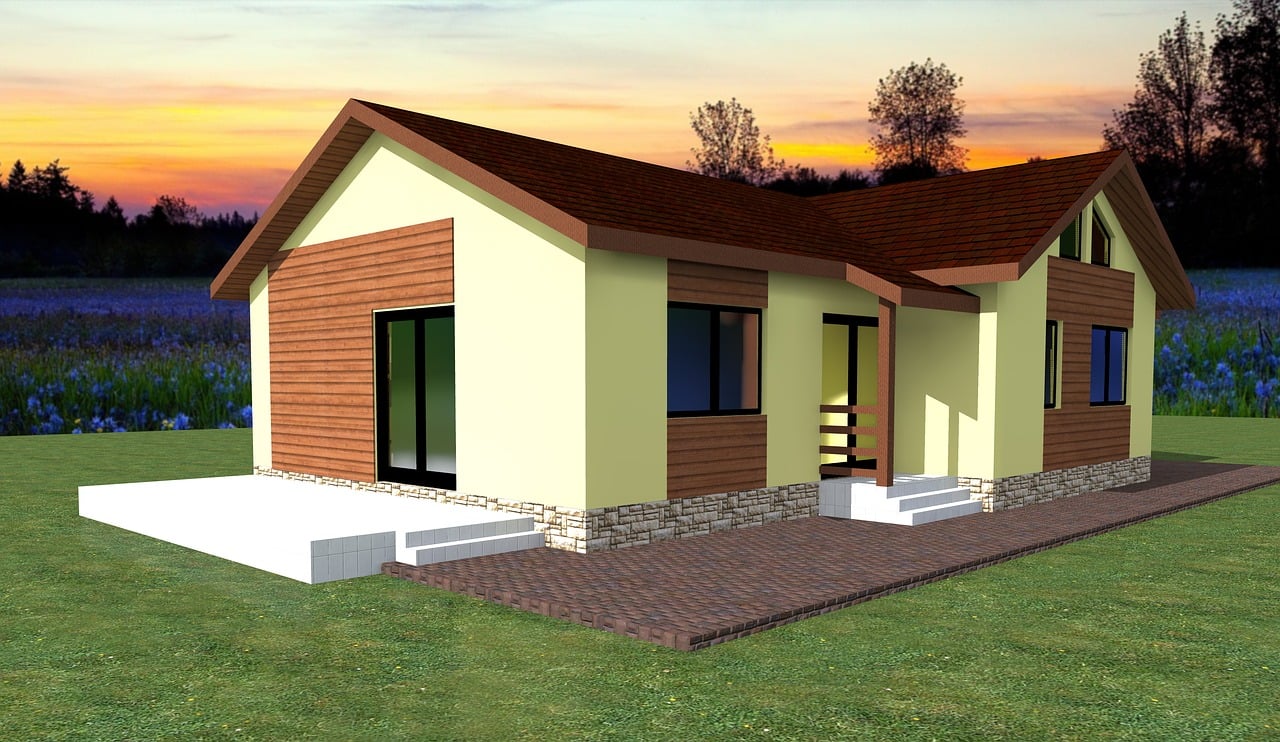

How USDA Loans Promote Sustainable and Energy-Efficient Homes
The United States Department of Agriculture (USDA) provides various loan options that encourage homebuyers to invest in energy-efficient and sustainable living spaces. Those interested in these loans can potentially qualify for USDA Rural Development loans, which allow great benefits for purchasing or refinancing homes. The ability to finance energy-efficient upgrades is a significant aspect of USDA loans. By promoting sustainable construction methods, these loans are aligned with the broader goal of reducing energy consumption in residential properties. Homebuyers can often access funds to add solar panels, high-efficiency HVAC systems, and other improvements that contribute to energy conservation. Moreover, homes built or renovated under these programs often enjoy increased property values and lower operational costs. The USDA’s commitment to environmental integrity and rural development pushes families towards sustainable housing solutions for the future. By incentivizing energy-efficient homeownership, the USDA plays a crucial role in creating communities that are not only environmentally responsible but also economically viable. Thus, more families can embrace an eco-friendlier lifestyle while increasing their financial well-being through USDA loans.
USDA loans are particularly impactful for low to moderate-income households aiming to afford homes in rural areas. These loans simplify the hurdles typically faced by families, making the path to homeownership smoother. The income eligibility criteria ensure that the program aids those who might struggle to secure financing through conventional lending options. In addition to open accessibility for families, the USDA loan program incorporates guidelines that promote energy efficiency in the construction and improvement of homes. Therefore, eligible households can obtain financing specifically allocated for energy-efficient upgrades. Utilizing these funds allows homeowner improvements that establish a longer-term commitment to sustainability. Additionally, the financial savings associated with lowering energy consumption resonate well with families, giving them a dual advantage. Not only do they invest in a sustainable living environment, but they also reduce monthly expenses associated with utility bills. The increased awareness of eco-friendly living practices contributes to the overall objective of conserving resources in rural regions. Overall, the USDA’s defined loan framework enables families to leave a positive mark on their surroundings while benefiting economically.
Program Benefits and Eligibility
Various benefits accompany USDA loans, enhancing their appeal among aspiring homeowners. One of the primary advantages is the zero down payment requirement, making it easier for families with limited savings to enter the housing market. In contrast to conventional loans, USDA loans help bridge the financial gap for families keen on acquiring homes in designated rural areas. Furthermore, competitive interest rates available through USDA loans increase affordability, ensuring payments remain manageable over time. First-time homebuyers often face stringent credit score requirements, but USDA loans tend to offer more lenient standards, widening access for low-income applicants. These benefits collectively create opportunities for families residing in less populated regions of the country to invest in properties that align with their personal values and financial situations. Moreover, the USDA’s focus on sustainable homes extends financial advantages to homeowners, allowing them to invest in energy-efficient improvements. By filtering through the variety of loan options, families can craft a mortgage plan that incorporates eco-friendly home practices while ensuring responsible financial management. The commitment to energy efficiency provided through USDA loans promotes sustainable living practices among homeowners.
Another unique feature of USDA loans is their allowance for various types of properties, including single-family homes, multi-family units, or even certain types of condominiums. This flexibility empowers families to choose housing options that cater to their needs while considering sustainability. With USDA loans, homeowners can finance their new homes and engage in significant energy efficiency projects, such as upgrading insulation, installing energy-efficient appliances, or improving their home’s airflow and natural lighting systems. In essence, they become stewards of both their homes and their finances, creating value for themselves and their communities. Additionally, purchasing energy-efficient homes yields return on investments that benefit homeowners in the long run, enhancing their quality of life and reducing energy dependency. The homeownership experience, through the lens of sustainability, allows families to connect their economic goals with their environmental consciousness. In this ongoing journey towards sustainable living, USDA loans emerge as facilitators, guiding families through financing options that resonate with their values while aligning with long-term objectives for environmental responsibility.
The Role of Community Development
USDA loans play a pivotal role in promoting community-focused development in rural areas through their emphasis on sustainability. By assisting families in their quest for energy-efficient homes, these loans contribute to building a sense of community among residents. Enabling individuals and families to invest in their properties fosters neighborhood cohesion and enhances overall aesthetic appeal. For instance, as more families renovate their homes with sustainable practices, the likelihood of increased property values rises, positively affecting entire communities. Additionally, with improved energy efficiency, neighborhoods experience a marked reduction in collective energy consumption and overall environmental footprints. The broader implications lead to healthier living conditions as families adopt more sustainable lifestyles and contribute to the area’s unique character. Furthermore, community awareness surrounding the ecological impacts of housing decisions grows, motivating local initiatives aimed at promoting sustainability on larger scales. USDA loans support these discussions by providing resources and frameworks for homebuyers focused on sustainable investments. Community development encouraged by these loans underlines the connection between individual households and the broader environment, supporting a sustainable approach to living.
As families begin to experience the full benefits of homeownership through USDA loans, they also encounter the potential for educational opportunities regarding sustainable practices. The USDA facilitates workshops and resources designed to educate loan recipients on energy efficiency and eco-friendly living methodologies. Thus, a supportive network surfaces wherein homeowners can learn about energy conservation, utility management, and home maintenance focused on reducing waste. This knowledge empowers families to make informed decisions and encourages participation in responsible environmental programs. Engaging communities in these educational programs fosters continuous growth and commitment towards sustainability, thereby reinforcing the financial benefits associated with USDA loans. Homeowners are equipped with tools to make strides towards sustainable living, and they become ambassadors of eco-friendly practices within their communities. The result is a beneficial cycle, whereby increased awareness leads to a greater collective impact on the environment. The ripple effect of education surrounding sustainable housing extends far beyond individual homes; it reaches entire neighborhoods, advancing sustainability as a community asset. Ultimately, the USDA plays an essential part in facilitating this educational journey towards ecological consciousness.
Looking to the Future
With a growing commitment to environmental sustainability, USDA loans depict a pathway motivated by responsible homeownership. The trend towards energy efficiency is not just a fleeting notion; it reflects a shift in societal values emphasizing long-term ecological considerations. Families leveraging USDA loans to invest in energy-efficient homes align their aspirations with broader environmental goals, contributing positively to community development efforts. As more families embrace sustainable living practices, the cumulative impact becomes increasingly apparent, creating a culture of environmental stewardship. Rural areas benefit significantly from such transformations, promoting local economies while conserving natural resources. Future adaptations in USDA loan programs may further integrate sustainable practices, responding to the evolving needs of borrowers. Innovations in residential construction and energy efficiency methods may define new eligibility criteria or financing options. With continued support from organizations focused on promoting sustainable living, USDA loans can remain at the forefront of environmentally responsible homeownership. This journey represents more than just individual home renovations; it signifies active participation in reshaping communities for the better. By investing in these initiatives, families directly contribute to a healthier planet and sustainable future.