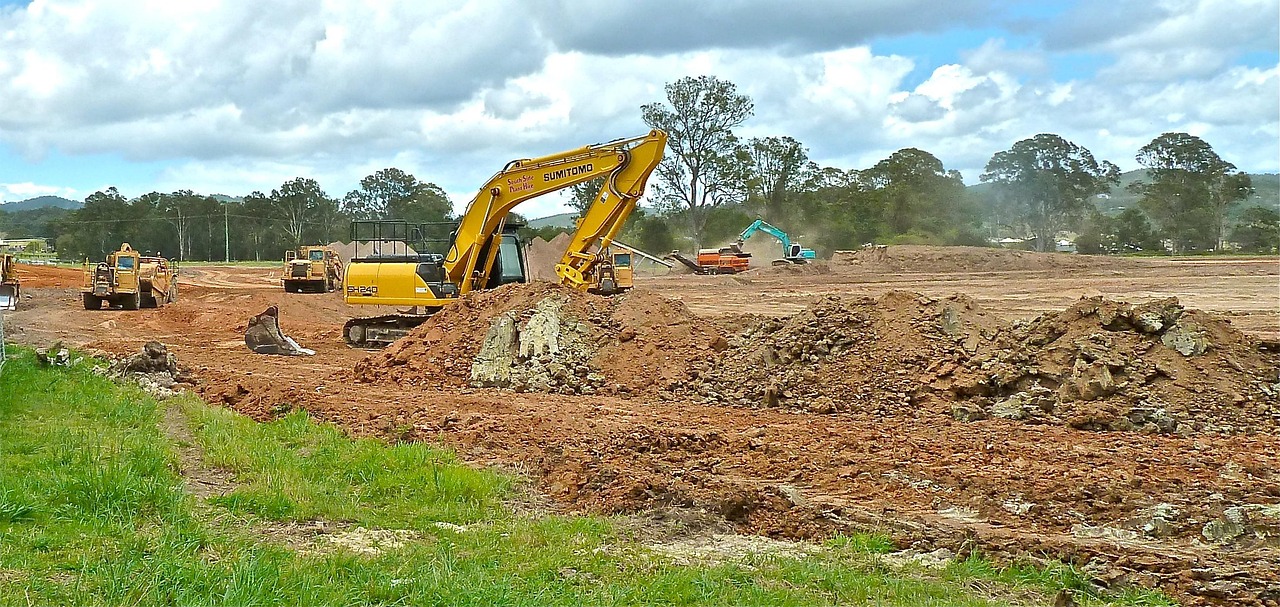

The Influence of Infrastructure Development on Economic Performance
Infrastructure development plays a critical role in shaping the economic landscape of a country. It serves as the backbone for economic growth by providing essential services and facilities that support various sectors of the economy. The relationship between infrastructure and economic performance is multifaceted, encompassing factors such as productivity, investment, and job creation. Improved infrastructure enables faster transport of goods, reducing logistics costs and enhancing market accessibility. Additionally, it fosters better communication systems, which are vital for both businesses and consumers. The development of infrastructure not only supports existing industries but also attracts foreign direct investment (FDI) by creating a more conducive environment for business operations. Countries that prioritize infrastructure are likely to see significant advancements in their economic performance, leading to increased employment opportunities and improved standards of living for their citizens. However, the efficiency and quality of the infrastructure are paramount, as poor infrastructure can have the opposite effect, stifling growth and limiting economic potential. Ultimately, the strategic planning and execution of infrastructure projects are essential for sustainable economic prosperity.
Types of Infrastructure and Their Economic Impact
To understand the influence of infrastructure development on economic performance, it is essential to identify the types of infrastructure involved. Broadly, these can be categorized into three main types: transport infrastructure, social infrastructure, and communication infrastructure. *Transport infrastructure*, which includes roads, railways, ports, and airports, promotes the movement of goods and people, thus boosting economic activities. Investment in transport systems facilitates trade and connectivity, influencing local and international markets. *Social infrastructure*, such as schools and hospitals, directly impacts the workforce’s skill level and health, enhancing productivity and long-term economic stability. Furthermore, *communication infrastructure* supports the digital economy by improving access to information and enabling new technologies, fostering innovation. Investment in telecommunications is particularly critical in the modern knowledge economy, connecting businesses with customers locally and globally. The synergy between these infrastructures contributes to enhancing overall economic performance, as effective services leverage growth across multiple sectors. Therefore, policymakers must prioritize investments in diverse infrastructure types to ensure a comprehensive improvement in economic activity and quality of life.
The role of public-private partnerships (PPPs) in infrastructure development deserves special attention, as they can significantly impact economic performance. PPPs facilitate collaboration between governments and private sectors, combining public resources and private sector expertise. This model often leads to more efficient project execution and financial risk-sharing, enhancing the delivery of infrastructure projects. As governments struggle with budget constraints and increasing infrastructure needs, PPPs provide a viable alternative for financing large-scale projects. Through this approach, innovative solutions and management efficiencies can be introduced, resulting in quality infrastructure development. Successful PPP projects can enhance service delivery and facilitate quicker completion of essential infrastructure, thus benefitting economies. These partnerships enable the development of critical infrastructures, such as highways, hospitals, and utilities, which are essential to economic productivity. However, it is important to note that PPPs should be carefully structured to ensure accountability, transparency, and equitable risk distribution among partners. Policymakers should establish regulations and frameworks that foster a conducive environment for successful PPPs, ultimately driving economic performance through effective infrastructure provision.
Challenges in Infrastructure Development
Despite its crucial role, infrastructure development often faces numerous challenges that hinder economic performance. Poor planning, lack of funding, and political instability are significant obstacles that can delay or derail projects. In many developing countries, limited financial resources restrict both government and private sector investments in infrastructure development. Moreover, outdated regulatory frameworks and bureaucratic processes can impede the timely completion of projects. Additionally, corruption and mismanagement at various levels can lead to substandard construction and ineffective utilization of resources, further exacerbating the situation. Environmental concerns and community opposition can also pose challenges, necessitating a careful balance between economic development and sustainability. Furthermore, rapid urbanization creates increased demand for infrastructure, which can outpace existing capabilities. These challenges can negatively affect economic performance by limiting access to essential services and hampering productivity. To address these issues, governments need to implement strategic planning processes that prioritize infrastructure projects aligned with economic goals. Enhanced collaboration with various stakeholders, including community members and the private sector, is vital in overcoming these challenges and ensuring the successful delivery of infrastructure projects.
In determining the impact of infrastructure development on economic performance, data analysis plays a significant role. Quantitative studies assessing the correlation between infrastructure investment and GDP growth provide valuable insights. For instance, such studies often reveal that countries investing heavily in infrastructure tend to experience higher economic growth rates compared to those that do not. These analyses frequently account for factors such as population growth, investment inflows, and policy changes, highlighting the multifaceted relationship between infrastructure and economic performance. By incorporating econometric models, researchers can isolate the effect of infrastructure development from other economic variables, leading to more accurate assessments. Furthermore, qualitative studies exploring the socio-economic impacts of infrastructure development enrich understanding by contextualizing data findings with real-world examples. Case studies illustrating the success or failure of specific projects can shed light on best practices and lessons learned for future initiatives. Thus, effective data analysis informs policymakers and stakeholders in making informed decisions regarding infrastructure investments, ultimately leading to enhanced economic performance. Continued research in this area further drives the discourse on how best to leverage infrastructure development as a catalyst for economic growth.
Future Directions for Infrastructure Investment
Looking ahead, identifying future directions for infrastructure investment is pivotal for sustaining economic performance. As economies evolve, emerging trends such as sustainability and technological advancements shape infrastructure development priorities. Renewable energy sources, such as solar and wind, are gaining traction as countries strive for greener and more sustainable growth models. Integrating sustainable practices into infrastructure projects not only reduces environmental impacts but can also stimulate new industries and create jobs. Smart infrastructure, incorporating technology such as IoT and AI, can enhance efficiency and responsiveness to user needs, thus maximizing the benefits derived from investments. Moreover, as urbanization continues, the demand for resilient and adaptable infrastructure will grow, necessitating innovative solutions that address both current and future needs. Ensuring that infrastructure development is inclusive, with an emphasis on accessibility for marginalized communities, is also fundamental. By adopting a holistic approach to future infrastructure investments, policymakers can help ensure that economic performance is enhanced across all sectors while simultaneously addressing pressing social and environmental challenges, leading to more inclusive and sustainable economic growth.
In conclusion, the influence of infrastructure development on economic performance cannot be understated. As demonstrated, quality infrastructure serves as a catalyst for productivity, investment, and overall economic growth. Infrastructure enables efficient transport and communication, which are vital for businesses to thrive. Furthermore, targeted investments in infrastructure lead to job creation and improved living standards for communities. While challenges in infrastructure development persist, strategic planning, collaboration, and informed decision-making can pave the way for overcoming these obstacles. Future trends highlight the importance of sustainable and smart infrastructure, as economies adapt to changing needs and prioritize environmental considerations. Thus, continued research and innovation in infrastructure projects will be essential for driving economic performance forward. As governments and private entities work together to embrace infrastructure development, it is crucial they remain committed to transparency, equity, and community engagement. Emphasizing the vital connection between infrastructure and economic prosperity will facilitate the effective utilization of resources, setting the stage for sustainable growth that benefits society at large.
This comprehensive exploration of the varied effects of infrastructure development against the backdrop of economic performance reveals crucial insights. Recognizing the myriad challenges and opportunities associated with such investments allows stakeholders to optimize strategies for growth and sustainability. By establishing the critical link between infrastructure and economic outcomes, meaningful progress can be achieved towards holistic development. Ultimately, the success of infrastructure initiatives is contingent upon collaborative efforts and strong governance. Stakeholders must remain committed to addressing issues such as funding and implementation processes. Engaging with communities and fostering public awareness around the benefits of infrastructure investments is also necessary for securing popular support. Looking forward, it is vital to adapt approaches as economies evolve, ensuring that investments align with collective goals. The path to robust economic performance through infrastructure development rests upon continuous adaptation and innovation, with strategic considerations that embrace sustainability, technology, and inclusivity.