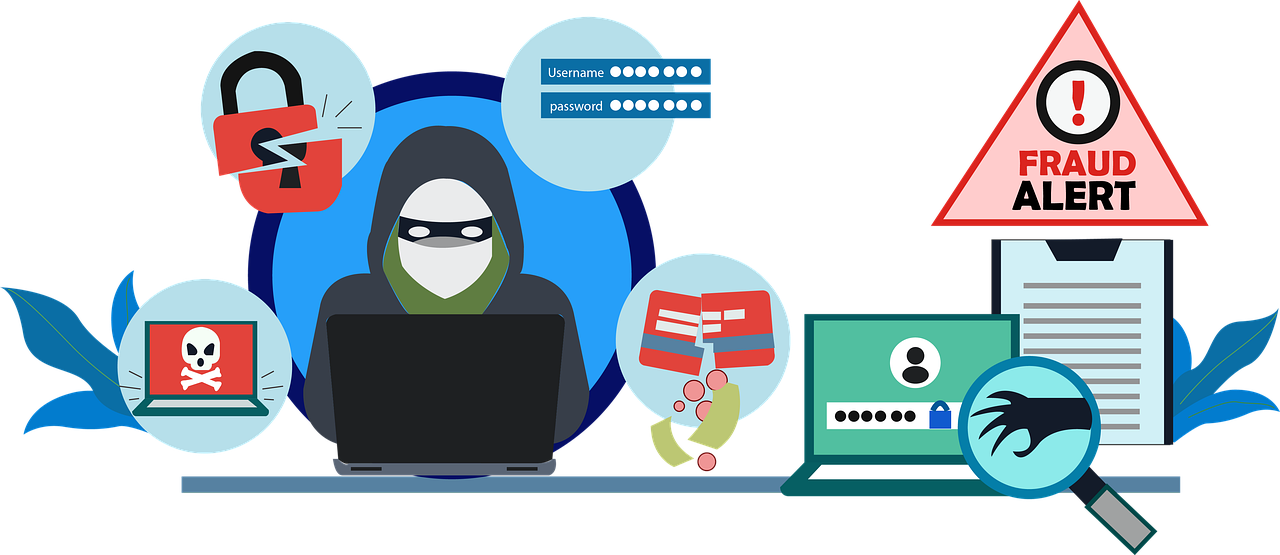

How Cybercriminals Exploit Finance Sector Vulnerabilities
The finance sector is increasingly becoming a prime target for cybercriminals, particularly through phishing attacks. These attacks exploit weak points in financial institutions, leveraging human error and sophisticated technology. Cybercriminals employ various strategies to deceive employees and customers alike. Phishing tactics often involve emails, messages or calls masquerading as legitimate communications from trusted entities. For instance, they may spoof emails from the company’s CEO, requesting sensitive information or immediate actions. Understanding the techniques used by these attackers is essential for finance professionals to recognize and thwart potential threats.
Phishing attacks on financial institutions can have devastating consequences. Successful attacks can result in substantial financial losses and erode customer trust. Moreover, the implications of data breaches extend beyond immediate monetary effects. Regulatory bodies might impose penalties on institutions failing to safeguard sensitive information. Following an attack, organizations generally face reputational damage, which can diminish their market position. Clients may reconsider engaging with a company known for security lapses. Therefore, developing robust defenses against phishing is vital for preserving both financial and social capital.
Common Tactics Used by Cybercriminals
Analysis reveals several common tactics that cybercriminals use in phishing attacks within the finance sector. One notable method is spear phishing, which targets specific individuals or organizations with tailored messages. The attackers research their targets to create convincing scenarios that entice victims to engage. Another prevalent tactic is using malicious links disguised as legitimate websites, prompting users to enter their credentials. Furthermore, cybercriminals may take advantage of urgent situations, manipulating emotions to hastily elicit sensitive information. By understanding these tactics, organizations can better arm their workforce against such threats.
Employee training is pivotal in combating phishing attacks in the finance sector. Regular training sessions equip staff with the knowledge to recognize suspicious activities. Emphasizing the importance of verifying email sources and avoiding unsolicited links is crucial. In addition to initial training, ongoing reinforcement enhances awareness and reinforces best practices. Institutions can incorporate simulated phishing exercises to test employees regularly. These drills help staff practice their skills in identifying and reporting suspicious communications. Cultivating a culture of security is necessary for building resilience against phishing attacks.
Technological Defenses Against Phishing
Besides employee training, employing technological solutions is vital in the fight against phishing attacks in finance. Advanced email filtering systems can help identify and quarantine potential phishing messages before they reach users’ inboxes. Multi-factor authentication (MFA) adds another layer of security by requiring users to verify their identity through various means. Implementing strong password policies and regular changes can thwart unauthorized access significantly. Furthermore, utilizing threat intelligence tools can detect and address emerging phishing techniques effectively, keeping the organization one step ahead of cybercriminals.
Regular risk assessments are essential for financial institutions to develop an efficient cybersecurity strategy. By identifying vulnerabilities and risks, organizations can prioritize their efforts to strengthen defenses. Conducting thorough evaluations of systems, processes, and employee behavior creates a detailed picture of exposure. Collaborating with cybersecurity experts can provide deeper insights into current threat landscapes. Additionally, reviewing incident response plans ensures preparedness for potential phishing attacks. Updating procedures based on industry best practices fosters an adaptable approach to changing threat environments within the finance sector.
The Human Element of Cybersecurity
The human element remains one of the most critical factors in maintaining cybersecurity within the finance sector. Despite technological advancements, cybercriminals continue to exploit human nature, emphasizing the importance of vigilance. Building resilience through emotional intelligence training can empower employees to think critically about information security. Further, establishing a clear reporting structure for suspicious activity encourages a proactive mindset. Recognizing that every employee plays a role in safeguarding the organization fosters collective responsibility and strengthens security culture. Developing strong communication channels can acknowledge and address emerging threats effectively.
In conclusion, phishing attacks targeting the finance sector illustrate the need for comprehensive security measures. Organizations must invest in training, technology, and collaborative strategies to combat these threats. Developing a security-aware culture, while leveraging technological solutions, creates robust defenses against cybercriminals. Additionally, continuous monitoring and adapting to industry trends ensures financial institutions maintain a proactive stance against evolving threats. By prioritizing data security, finance organizations not only protect sensitive information, but also preserve client trust and confidence.