
The Influence of Energy Economics on Global Supply Chain Management
Energy economics is a vital field that investigates the interactions between energy supply chains and economic frameworks. In recent decades, the booming global economy has tightly integrated various nations, significantly impacting energy demand and pricing structures. Consequently, fluctuations in energy prices directly affect global supply chains. This paradigm shift encourages organizations to reevaluate their logistics strategies. Businesses are examining the cost-benefit equilibrium of energy sources, actively seeking to optimize their supply chains by minimizing expenses related to energy provisioning. Additionally, as sustainability becomes increasingly prioritized, energy investments reflect this commitment. By recognizing the influence of factors like oil prices or renewable energy advancements on supply chains, companies can better prepare for unexpected challenges and disruptions in the market. Supply chain management revolves around consistent and predictable energy access to maintain operations efficiently. As such, accountability along the supply chain remains paramount to ensure that energy economics effectively aligns with organizational goals. This intricate relationship will continue to be the focus of research and development, as academic and professional circles endeavor to construct a more resilient framework.
Key Drivers in Energy Economics
Several factors drive energy economics, each significantly impacting global supply chains. First, geopolitical influences such as conflicts or new trade agreements can lead to abrupt interruptions in energy supply. Energy-producing nations wield substantial influence over pricing, which can create volatility felt across industries. Additionally, technological advancements contribute to energy production and distribution efficiency, enabling real-time monitoring of energy usage. Companies that embrace innovative solutions regarding energy usage frequently experience improvements in supply chain effectiveness. Moreover, fluctuations in currency exchange rates can affect procurement and operating costs. Changes in legislation and regulations, like emission standards or renewable energy incentives, encourage businesses to adapt swiftly, driving the shift from fossil fuels toward more sustainable energy sources. As society aims for a green transition, the energy sector faces intensifying scrunity from consumers and regulatory bodies alike. In light of that, risk management strategies become more crucial than ever, enabling companies to mitigate impacts from energy fluctuations, emphasize agile supply chain practices, and ultimately reach their sustainability goals. Regardless of its drivers, energy economics continuously shapes how companies structure their supply chains.
The interplay between energy economics and global supply chain management creates both challenges and opportunities for organizations worldwide. With the escalating global emphasis on environmental sustainability, companies must integrate energy economics into their operational strategies. For instance, organizations are reassessing energy consumption throughout their supply chains, targeting inefficiencies that lead to waste and higher costs. By employing energy-efficient technologies, organizations can optimize processes while reducing carbon footprints. Furthermore, the rise of renewable energy initiatives offers businesses alternatives to traditional energy sources, making it essential for supply chain managers to explore partnerships with green energy providers. Such collaborations not only enhance ecologically responsible practices but can also lead to financial benefits through government incentives and improved public perception. Incorporating energy economics into decision-making processes promotes transparency when evaluating suppliers, particularly regarding their energy use and sustainability credentials. In this way, companies can establish a more resilient supply chain, not only addressing present challenges but also preparing for future environmental regulations and shifts in energy availability. Adopting strategies that align energy economics with corporate social responsibility bolsters brand reputation while maximizing supply chain efficiencies. Organizations that prioritize energy considerations will ultimately benefit.
The Role of Renewable Energy in Supply Chains
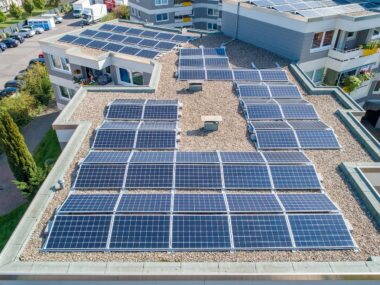
As the demand for clean energy rises, integrating renewable energy sources into supply chains becomes paramount for companies striving for sustainability. Renewable energy provides numerous opportunities for organizations to reduce dependence on fossil fuels while managing supply chain risks. Transitioning from conventional energy to renewable sources such as solar, wind, and hydropower not only lowers carbon emissions but also influences cost structures. The initial investment may appear substantial; however, the long-term savings often prove significant, leading to increased competitiveness in the global market. Moreover, adopting renewable energy can enhance corporate histories, resonating positively with eco-conscious consumers and stakeholders. To maintain a competitive edge, companies must embrace the shift toward alternative energy sources strategically. This involves fostering partnerships with renewable energy suppliers, investing in energy storage solutions, and innovating operational procedures to accommodate fluctuating energy supply and demand. By understanding and integrating renewable energy into supply chain planning, organizations further ensure business stability in the face of legislative changes and consumer expectations. The transition necessitates analysis and recalibration of traditional procurement strategies, eventually resulting in more robust and sustainable supply chain networks that can withstand future disruptions.
Market fluctuations in energy pricing continue to present challenges for global supply chains, particularly influencing procurement strategies. Hence, supply chain professionals must adopt advanced analytics and risk management tactics to identify energy market trends proactively. Companies that utilize data-driven approaches are better positioned to understand variables influencing price dynamics, thereby enabling them to secure favorable supplier contracts well in advance. To supplement these efforts, diversifying energy sources acts as an additional safeguard, reducing reliance on a singular energy provider. This diversification not only mitigates risks associated with price spikes but also enhances supply chain agility and reduces vulnerability to geopolitical events. The inclusion of predictive analytics and machine learning tools facilitates a comprehensive understanding of the underlying causes of shifts in energy prices. As a result, organizations can respond more decisively, positioning themselves for optimal performance within volatile markets. The sophisticated alignment of energy procurement with broader supply chain management strategies leads to enhanced bottom-line results and operational efficiency. By considering energy economics in overall supply chain frameworks, organizations create agile infrastructures capable of accommodating rapidly changing market conditions.
Validation through Collaboration and Innovation
To truly grasp the impact of energy economics on global supply chain management, collaborative efforts are crucial. By connecting various stakeholders from producers to consumers, companies can harness innovative solutions that drive sustainability and efficiency. Various sectors, including technology, transportation, and manufacturing, must unite in establishing best practices within supply chains. Collaborative frameworks promote knowledge sharing, enable alignment with energy economics objectives, and lead to more informed decisions regarding energy procurement. In turn, these partnerships encourage multiple perspectives that help identify untapped opportunities while overcoming industry challenges. Companies investing in R&D and embracing innovation can lead to improved energy solutions, enabling optimized supply chain responses to fluctuations. Furthermore, educational initiatives focusing on energy economics principles allow professionals to adapt their strategies accordingly while fostering a culture of sustainability. What’s more, companies should work closely with policymakers and communities to advocate for supportive regulations and policies. Proactive participation at these levels fosters a balanced environment that nurtures sustainable practices within the energy landscape. Only through collaboration can the energy sector address pressing global challenges effectively while aligning with the goals of supply chain management.
As we look toward the future, the relationship between energy economics and global supply chains will only grow stronger. The urgency of combating climate change and fostering economic stability means that businesses must continuously adapt and innovate their operational strategies. Emerging technologies like blockchain and the Internet of Things (IoT) are poised to transform supply chain management, enhancing the transparency and efficiency of energy usage. By leveraging these advancements, organizations can further integrate energy economics into their frameworks, ensuring that every decision reflects a conscious understanding of its impact on resources. This linkage between technology and energy economics allows for more precise forecasting and demand management, enabling companies to navigate fluctuating energy landscapes with greater ease. Emphasizing resilience and sustainability will serve as guiding principles for future supply chains, as companies seek to stay ahead of market trends and consumer expectations. Ultimately, those that embrace change will thrive, gaining not only operational benefits but also securing their positions as industry leaders in an increasingly responsible and connected world. By acknowledging the integral role energy economics plays, organizations can build sustainable supply chains that contribute positively to environmental and economic health.
The transformative impact of energy economics on supply chains is undeniable. Organizations that remain vigilant about energy efficiency and sustainability practices will unlock new opportunities for growth and competitive advantage. As global energy markets evolve, staying informed about shifts in policy, technology, and consumer behavior will become crucial. Emphasizing transparency and accountability in energy usage will resonate with stakeholders, fostering long-term loyalty. Therefore, energy economics is not merely an economic consideration; it represents a strategic pillar around which effective supply chain management can flourish. Initiatives aimed at optimizing energy use, fostering efficient resource allocation, and emphasizing sustainable practices will ultimately redefine corporate operational strategies. All businesses must engage with the principles of energy economics, using them to reshape their supply chains in a world increasingly focused on environmental challenges. Forward-thinking organizations will realize that energy economics is more than numbers on a spreadsheet; it encompasses the very essence of corporate responsibility and strategic foresight. Adaptability and collaboration will emerge as vital components in navigating future supply chain landscapes. The inseparable ties between energy economics and supply chain management ensure that energetically responsible practices form the foundation of successful businesses.