
Developing KPI Metrics for Customer Analytics in Finance and Business
In today’s data-driven environment, developing Key Performance Indicators (KPIs) for customer analytics becomes essential for organizations in finance and business sectors. These metrics empower businesses to understand customer behavior, preferences, and trends effectively. To achieve this, companies often track various aspects such as customer acquisition cost, lifetime value, retention rates, and conversion rates. Each of these KPIs provides valuable insights that help to refine marketing strategies and optimize customer relationships. Moreover, understanding the metrics allows businesses to align their operational objectives with customer expectations. It’s crucial to analyze these indicators over time to uncover patterns and anomalies. This ongoing evaluation can lead to improved decision-making processes, as businesses can respond proactively to emerging trends. Highlighting values that matter is also significant; focusing only on relevant KPIs can reduce noise and prioritize actions yielding the best results. Therefore, incorporating data visualization tools to portray these metrics is advisable, making it easier for stakeholders to grasp insights quickly. Companies that master customer analytics will not only enhance their performance but also foster deeper connections with their clientele, establishing sustainable growth in the competitive landscape.
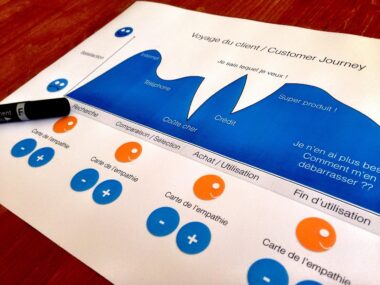
Effective customer analytics requires continuous engagement with data and metrics that resonate with business goals. Stakeholders should focus on developing a well-rounded view of the customer journey. Mapping the customer journey entails recognizing the stages customers navigate when interacting with a brand. This mapping leads to identifying comprehensive KPIs that represent customer touchpoints effectively. For instance, key points like website visits, product page interactions, and basket abandonment rates can significantly inform a finance-oriented organization about customer actions. Once these critical points are identified, they can be translated into actionable KPIs. Monitoring metrics related to customer satisfaction, such as Net Promoter Score (NPS) and Customer Satisfaction Score (CSAT), is also crucial. These metrics unveil the emotional aspect of customer interactions and can drive improvements. Additionally, data segmentation can help tailor metrics according to different demographics, preferences, or purchase behaviors. Uncovering insights through segmentation ensures that organizations can customize their approach to various customer groups. By utilizing these strategies, companies will equip themselves better to understand the nuances of customer engagement, create targeted strategies, and ultimately, improve their overall business performance.
Real-time Monitoring and KPIs
Real-time monitoring of KPIs is vital for effective customer analytics, as it enables businesses to track performance continuously and react swiftly. Integrating real-time analytics capabilities can significantly enhance the responsiveness of the organization towards customer needs. This method allows companies in finance and other sectors to stay informed about fluctuations in key customer metrics. By utilizing dashboards embellished with live data, decision-makers can visualize how their KPIs evolve over time. For instance, a live view of the customer retention rate can signal when intervention is necessary, preventing potential churn. Moreover, organizations employing predictive analytics can anticipate customer behavior trends rather than merely responding to past behaviors. This proactive approach not only helps in improving customer experience but can also lead to more efficient resource allocation. As businesses harness advanced technologies such as artificial intelligence, real-time insights become more accessible. By analyzing various data feeds in real time, organizations can tailor marketing campaigns with precision and optimize customer service experiences. Sticking to this blueprint positions businesses favorably, ensuring they can effectively meet customer expectations in an ever-evolving market.
As we delve deeper into developing KPIs for customer analytics, it is essential to foster a culture of data-driven decision-making within the organization. Educating team members about the significance of KPIs can significantly influence how customer insights are perceived and utilized. This culture promotes accountability, as individuals understand how their actions can directly affect these vital metrics. To instill such a culture, training programs and workshops can be initiated to allow team members to explore data analysis tools and methodologies. Encouraging open discussions about customer feedback and various metrics results in more informed decision-making, enhancing collaboration across departments. Moreover, recognizing and rewarding employees based on KPI performance drives engagements further. Teams will be more motivated to pursue customer-centric objectives and initiatives that directly impact the business. Additionally, utilizing storytelling techniques when interpreting data can foster deeper connections with insights. Presentations that encapsulate data with narratives engage audiences and evoke emotional responses, transforming raw data into relatable stories. By following this strategy, businesses can not only empower their workforce but also leverage customer analytics to create tailored metrics that align with strategic goals, driving sustainable success.
Integrating Technology for KPI Development
Integrating technology within the framework of customer analytics is pivotal for businesses aiming to develop effective KPI metrics. The emergence of advanced analytics tools helps organizations collect, analyze, and visualize customer data more efficiently. Implementing customer relationship management (CRM) systems allows a streamlined approach to storing actionable insights. Such systems can track various customer interactions and summarize data into meaningful KPIs. Furthermore, employing artificial intelligence in data analytics transforms massive datasets into manageable insights. With machine learning and pattern recognition, AI can uncover previously unnoticed trends in customer behavior, aiding the development of custom KPIs. Predictive analytics, too, plays a role in setting performance benchmarks based on historical data. Integrating analytical capabilities with other business processes, such as marketing automation and eCommerce platforms, enhances the quality of customer engagement. Businesses can optimize their operations in real time by synchronizing these technologies, ensuring they remain relevant. Adopting a systematic approach to incorporating technology can broaden analytical capabilities, allowing businesses to track performance meticulously and adapt strategies rapidly. This leads not only to enhanced operational efficiency but to a sharper focus on achieving customer satisfaction and loyalty.
In conclusion, developing KPI metrics for customer analytics within finance and business underscores the importance of tailoring strategies to meet evolving customer needs. The tactics discussed, including real-time monitoring, technology integration, stakeholder engagement, and a data-driven culture, enhance overall performance and sustained growth. Companies focusing on customer-centered KPIs can gain a competitive edge by effectively harnessing their customer data. Monitoring customer interactions frequently helps organizations respond proactively, adapting to shifting trends, and maintaining relationships with their clientele. Using data visualization enables swift comprehension and encourages collaborative action across departments. Furthermore, sectors like finance can greatly benefit from segmenting data to create targeted marketing efforts tailored to differing customer demographics. As organizations navigate the complexities of a digital marketplace, reinforcing these strategies ensures alignment with customers who demand personalized experiences. Continuous investment in technology, training, and a culture of agility is vital for responding to market dynamics. By prioritizing customer analytics and developing performance metrics accordingly, businesses can foresee challenges, streamline operations, and ultimately foster a loyal customer base for years to come.
Looking ahead, businesses should also focus on refining their approaches to KPI metrics by regularly revisiting and updating their analytical frameworks. Continuous evaluation of KPI effectiveness keeps strategies relevant and aligned with shifting customer behaviors. Establishing a routine for assessing KPI performance will highlight areas that require adjustment and ensure continuous improvement processes are active. Organizations can conduct quarterly reviews to analyze the success of their customer metrics, enabling timely adjustments when necessary. Additionally, seeking out customer feedback can inform the efficacy of the defined metrics. Surveys and engagement initiatives provide insights into what customers value most, which can further refine KPIs. By maintaining a flexible stance that accommodates change, businesses will prioritize adapting practices to meet emerging customer expectations. Encouraging feedback also fosters transparency within the organization, encouraging employees to voice improvements related to customer analytics. Long-term success in creating relevant customer KPIs lies in sustaining a keen awareness of corporate goals and market demands while remaining committed to delivering superior customer experiences. Ultimately, adaptability in customer analytics will guarantee that businesses are equipped to thrive amid uncertainty.
Lastly, as companies strive to develop KPI metrics for customer analytics, collaboration among cross-functional teams is indispensable. Encouraging contributions from various departments, including finance, marketing, and customer service, can help define relevant KPIs that reflect the entire customer journey. This interdisciplinary approach ensures that analytics capture all nuances of customer interactions, ultimately leading to a holistic understanding. Moreover, ownership of KPIs should be delineated across teams; accountability ensures active participation in tracking performance. Regular interdepartmental meetings can help assess the alignment of metrics with business objectives. These discussions provide a platform for exploring innovations in customer analytics, conserving a forward-thinking mindset. Furthermore, leveraging advanced analytics tools enables seamless sharing of information across teams, allowing for a synchronized strategy that keeps everyone informed. As the landscape of customer expectations continues to evolve, establishing a framework of collaboration opens gateways to improve analytics processes. This cooperative atmosphere cultivates an environment where innovative ideas are born, enabling dynamic responses to trends. In conclusion, the combination of coordinated efforts amongst departments, regularly updating strategies, and anchoring on technological advancements will be essential for thriving in customer-centric industries.