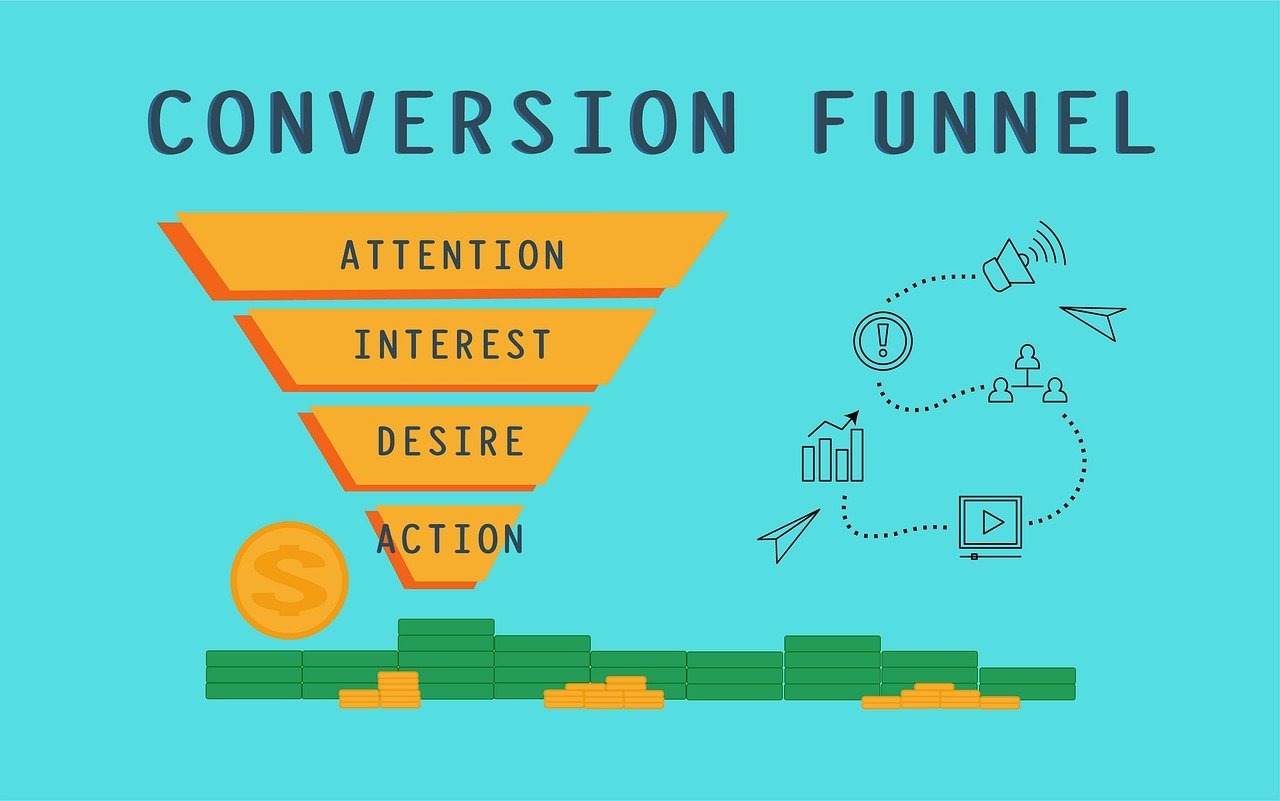

Optimizing Sales Funnels Using Revenue Analytics
In today’s fast-paced digital marketplace, understanding revenue analytics is crucial for any business looking to optimize its sales funnels. Revenue analytics focuses on how revenue is generated and can significantly improve the sales funnel strategy. By analyzing data related to sales performance and customer interactions, companies can pinpoint where they lose potential customers. This systematic study allows businesses to refine their sales processes, enhancing customer retention and driving profit. To start, it’s vital to collect and analyze key performance indicators (KPIs), such as conversion rates, average sale values, and customer lifetime value. Armed with these insights, companies can make informed adjustments to their marketing strategies. Additionally, revenue analytics helps understand the customer journey, tracking how leads move through the funnel. Companies can use this valuable data to identify bottlenecks or obstacles that prevent conversions. By employing revenue analytics, businesses not only optimize their funnels but also enhance their overall strategies, nurturing a more substantial pipeline. Thus, leveraging analytics for revenue optimization can lead to increased efficiency and profitability, crucial for long-term growth.
The first step in optimizing sales funnels is to set clear objectives that align with revenue analytics insights. Businesses must define what success looks like for each stage of the sales funnel. Every step must contribute toward the ultimate goal of conversion and, ultimately, revenue generation. For instance, if the task is to improve lead generation, companies should implement targeted marketing efforts that drive quality leads into the top of the funnel. This can be achieved through various digital marketing strategies, including pay-per-click ads, social media campaigns, or email marketing. Tracking the performance of these channels is essential; analytics tools can provide insights into which strategies yield the best results. Moreover, continual monitoring allows businesses to stay agile and adapt their tactics as needed. Understanding the performance of each funnel stage informs marketing decisions and helps allocate resources effectively. Teams can utilize the data generated to optimize content and tailor messages to meet the specific needs of their customers. This ensures that every marketing action is data-driven and rooted in solid analytics, ultimately leading to improved conversion rates and higher revenue.
Segmenting Your Audience for Better Insights
Another significant aspect of optimizing sales funnels using revenue analytics is audience segmentation. Different customer segments may exhibit varied buying behaviors and preferences. By utilizing analytics, businesses can categorize customers based on demographics, purchase history, and engagement levels. This segmentation allows companies to tailor their marketing messages and offers to resonate with each specific group effectively. For instance, loyal customers may respond positively to exclusive offers or loyalty programs, while new leads might be attracted by educational content or introductory discounts. Understanding these nuances is key to enhancing the customer experience and driving conversions. Additionally, businesses can pinpoint the most profitable segments by analyzing buying patterns and behaviors. This targeted approach not only improves the sales funnel’s efficiency but also ensures that resources are allocated to the segments that contribute most to revenue. Furthermore, segmentation can help identify underperforming niches, prompting further exploration. By refining their understanding of audience segments, companies can enhance their sales strategies, ultimately resulting in a more engaged customer base and optimized revenue generation.
Report generation is another vital element for optimizing sales funnels through revenue analytics. Regularly produced reports provide invaluable insights into performance metrics, making it easier for teams to assess where improvements are needed within the sales process. These reports typically showcase KPIs such as conversion rates, bounce rates, and overall customer journey analytics. By examining these metrics, businesses can make data-driven decisions that impact the sales funnel’s effectiveness. Moreover, visualizations within reports can highlight trends over time, enabling teams to identify peaks and troughs in performance. With this information, businesses can strategize accordingly; for example, if a particular marketing campaign shows declining conversion rates, it’s an indication to re-evaluate the message or target audience. Continuous reporting encourages a culture of accountability and agility within teams, prompting iterative improvements. In addition, teams can use these findings to experiment with new tactics, testing variations in approaches to determine what resonates best with customers. Consequently, implementing regular report generation is essential for maintaining a dynamic and responsive sales funnel that adapts to changing consumer preferences.
Utilizing A/B Testing to Refine Funnels
A crucial method for optimizing sales funnels through revenue analytics is A/B testing. This approach involves comparing two variations of a marketing asset to determine which one performs better regarding conversion rates. For instance, a company might test two different email subjects or landing page designs to see which leads to more engagement. A/B testing provides empirical evidence that informs significant marketing decisions, ensuring that adjustments are based on actual performance rather than assumptions. It allows businesses to hone in on the elements of their funnels that resonate best with their audiences. Furthermore, A/B testing cannot only enhance relevancy but also improve overall user experience, leading to higher satisfaction rates. Once a successful variation is identified, businesses should standardize it across the funnel to maximize its impact. The continuous cycle of testing and iteration supports optimization efforts over time, enabling companies to stay on top of market trends and shifting consumer behaviors. A well-executed A/B testing strategy is instrumental in cultivating a responsive sales funnel that adapts and evolves alongside its audience, ultimately driving revenue growth.
Integration of customer feedback is another essential aspect of optimizing sales funnels through revenue analytics. Customer insights can illuminate how well products and services meet market demands. Engaging with customers post-purchase or even during the buying process can provide invaluable information about their experiences and expectations. Surveys, feedback forms, and even social media interactions can serve as crucial data points, offering insight into areas needing improvement. For instance, if a pattern emerges indicating confusion during checkout, businesses might consider refining the process or providing clearer instructions. Moreover, actively seeking out customer feedback demonstrates a commitment to customer satisfaction, which can foster brand loyalty. Companies can utilize analytics tools to integrate feedback seamlessly into their revenue analytics framework. By doing so, they can track changes in customer sentiment over time, correlating feedback with sales performance. This nuanced understanding of customer perceptions enriches the overall optimization strategy, ensuring that businesses remain customer-centric in their approach while continuously improving their funnels. Ultimately, integrating customer feedback leads to a more robust sales process that drives conversions and boosts revenue.
Conclusion: The Continuous Cycle of Optimization
In conclusion, optimizing sales funnels using revenue analytics is a dynamic and ongoing process that requires businesses to remain agile and data-driven. By employing a systematic approach to gather, analyze, and act on revenue-related insights, companies can significantly improve their sales performance. From setting clear objectives and segmenting audiences to generating insightful reports and utilizing A/B testing, every element plays a vital role in enhancing the sales funnel. Furthermore, integrating customer feedback ensures that businesses are aligned with customer expectations and can respond proactively to emerging needs. As market dynamics constantly evolve, it’s critical for businesses to continuously revisit their sales strategies, leveraging comprehensive revenue analytics to make informed decisions. The journey doesn’t end after one successful optimization; rather, it is a continuous cycle of testing, learning, and improving. Organizations that embrace this iterative approach will be better positioned to adapt to changing market conditions and consumer behaviors. In turn, this leads to sustained revenue growth and a competitive edge in the marketplace. Therefore, leveraging revenue analytics is not just an option, but a necessity for modern businesses striving for success.
The Continuous Cycle of Improvement
By committing to a revenue analytics-driven strategy, businesses ensure they not only survive in the competitive landscape but thrive. Incorporating innovative data analysis methods and advanced technology helps create a comprehensive understanding of the sales funnel’s performance. Each improvement made through analytics can lead to exponential growth, making the effort profoundly worthwhile. Through trial and error, collaboration across teams, and an unwavering focus on understanding the audience, companies can experience greater revenue optimization. Fostering a culture that values data and customer feedback paves the way for continued success, allowing businesses to react swiftly to market changes. Moreover, embracing flexibility in strategy implementation encourages continuous iteration, enhancing the overall efficiency of sales processes. Every team member plays a vital role in this growth cycle, contributing to a collaborative effort in refining the sales funnel. Essential to this process is the commitment to learning from both successes and failures, ensuring a well-rounded perspective on customer behaviors. Ultimately, optimizing sales funnels using revenue analytics crystallizes the path toward achieving sustainable growth and profitability in a rapidly evolving business environment.