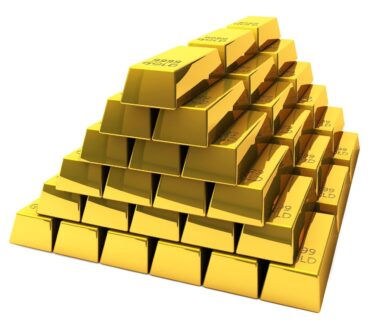

The Influence of Inflation on Commodity Price Forecasting
Inflation plays a critical role in shaping the future of commodity prices, as higher inflation rates typically lead to increased costs throughout the supply chain. Commodity prices are influenced by multiple factors, including supply and demand dynamics and global economic conditions. Higher inflation erodes consumers’ purchasing power, compelling them to reassess their spending behaviors. For instance, as consumers face higher costs for everyday goods, they often cut back on non-essential purchases. Consequently, this reduction in demand can force commodity prices to stabilize or decline. On the supply side, producers might respond to inflationary trends by increasing their prices to maintain profit margins. Additionally, central banks often raise interest rates in response to rising inflation, making financing more expensive for businesses. This can limit expansion plans, further affecting the supply of commodities. Ultimately, understanding how inflation influences commodity pricing helps businesses and investors to forecast market conditions more effectively. Accurate forecasts foster better decision-making and risk management strategies, allowing for a sustainable trading environment in the commodities market.
Examining historical trends provides valuable insights into the interplay between inflation and commodity prices. Fluctuation analysis shows how various commodities have reacted during inflationary periods in the past. Typically, precious metals like gold and silver serve as safe-haven assets for investors during times of high inflation. In contrast, agricultural commodities may face erratic pricing due to varying harvest yields and weather conditions. For instance, during the 1970s, the United States experienced one of the highest inflationary periods in history, leading to significant increases in agricultural and energy commodity prices. Investors often place their faith in futures contracts as a hedging strategy to protect against inflation-linked risks. By locking in prices for future delivery, producers and consumers can mitigate the adverse effects of inflation. Furthermore, tracking policy changes aimed at controlling inflation offers essential context for forecasting commodity prices. When interest rates are set to combat inflation, it can influence long-term expectations regarding commodity availability and prices. Ultimately, examining past market responses aids decision-makers in predicting how current inflation dynamics might impact commodity markets in the coming months or years.
Assessing Market Sentiment
Understanding market sentiment is crucial for accurately predicting how future inflation might affect commodity prices. Market participants consistently react to changes in economic indicators, geopolitical events, and central bank policies. Sentiment analysis utilizes survey data, trading volume, and price trends to gauge how investors perceive inflationary effects on various commodities. For example, bullish sentiment often leads to increased speculative buying, pushing prices higher regardless of underlying supply and demand fundamentals. Conversely, bearish sentiment can result in significant sell-offs, even in times of tight supply. Additionally, social media platforms provide a wealth of information that traders analyze to understand prevailing sentiment. By closely monitoring public opinion and market reactions, traders can better position themselves for upcoming price movements associated with inflation. This additional layer of insight enhances forecasting accuracy, allowing businesses to make informed decisions. However, it is essential to recognize that sentiment-driven price movements may not always align with fundamental analyses. Therefore, combining both sentiment analysis and fundamental assessments can provide a comprehensive view of potential pricing trends within commodity markets.
Geopolitical factors significantly influence inflation and can impact commodity price forecasting. Conflicts, trade embargoes, and diplomatic tensions often lead to supply chain disruptions. These disruptions can cause price spikes as traders adjust to uncertainty surrounding specific commodities. For instance, events like the conflict in Ukraine in 2022 resulted in significant price increases in oil and grain markets due to fears of supply shortages. Similarly, trade disputes can lead to increased tariffs, further altering prices. Understanding these geopolitical dynamics is crucial for making informed predictions about future commodity price fluctuations. Moreover, analysts often consider the geographic distribution of key commodities to assess risks related to political instability. Countries that are major producers can face scrutiny from global markets, and any signs of unrest can lead to reactive trading behavior among investors. Consequently, geopolitical risk assessment must be a component of any comprehensive inflation and commodity price forecasting strategy. Staying cognizant of the intersection between geopolitical developments and inflation helps traders and investors refine their approaches to risk management within volatile markets.
The Role of Technological Innovation
Technological advancements play an increasingly significant role in shaping commodity markets amid inflationary pressures. Innovations in agricultural practices, energy extraction methods, and resource management can lead to increased efficiency and productivity. For example, precision farming techniques have enabled farmers to optimize resource use while minimizing waste and costs. When commodity prices experience upward pressure due to inflation, such advancements can help stabilize or reduce prices by improving supply. In the energy sector, advancements in renewable energy technologies have made alternative sources more viable and economically competitive. This diversification can reduce reliance on traditional fossil fuels, thereby insulating markets from inflation-driven shocks. Furthermore, technology can enhance data collection and analytics, enabling traders to respond more swiftly to market changes. By harnessing big data, businesses can refine forecasting models to improve accuracy. In this context, technological innovations serve as a potent counterbalance to the disruptive effects of inflation, fostering a more resilient commodities market. More efficient production and data-led forecasting empower stakeholders to make strategic decisions amidst rising inflationary concerns.
The global economic landscape continues to evolve, demanding a multi-faceted approach to understanding inflation and its impact on commodity prices. Fluctuating exchange rates also contribute to the complexity of price forecasts. Currency depreciation in key producer countries can lead to higher prices for imported commodities, while appreciation may lower costs. Investors must monitor global economic conditions closely, as recessions or periods of growth can dramatically affect inflation rates and, by extension, commodity prices. Moreover, navigating the challenges posed by climate change is vital in assessing future commodity supply and prices. Extreme weather events can significantly impact agricultural production, while regulatory changes focused on sustainability may disrupt traditional energy markets. A well-rounded perspective helps identify correlations between inflation trends and multifactorial influences affecting commodity pricing. As the interaction of these various factors becomes more pronounced, traders and businesses alike must develop agile strategies to accommodate changes. Adapting to an ever-changing economic environment requires continuous research and market engagement to effectively forecast commodity prices amidst inflationary uncertainties. Overall, adaptability and informed analysis are key factors for success in commodity trading.
Conclusion
In conclusion, the interplay between inflation and commodity price forecasting remains a critical area of focus for investors and businesses. The intrinsic nature of commodities as essential goods means that their prices cannot be entirely insulated from inflationary effects. By understanding historical patterns, market sentiment, geopolitical dynamics, technological innovations, and economic conditions, stakeholders can make informed predictions. As inflation continues to influence commodity prices, adaptive strategies are necessary to navigate this evolving landscape. The future of commodity pricing will hinge upon the ability to closely monitor these interconnected variables. Successful forecasting demands a balanced consideration of both fundamental analysis and market sentiment variables. Thus, leveraging a comprehensive approach will allow traders to make strategic decisions that accommodate the pressures of inflation. With a thorough grasp of all influencing factors, businesses can optimize their operations while minimizing the risk associated with volatile market conditions. Ultimately, as inflationary trends persist, the importance of prudent decision-making in the commodity markets will only grow, guiding investors toward enhanced stability and profitability in their endeavors.
Additionally, interdisciplinary collaboration can further enrich the analysis of how inflation affects commodity prices over time. By integrating insights from economics, environmental science, and technology studies, stakeholders can derive more nuanced perspectives on pricing trends. Those involved in commodity trading and investment should also stay attuned to regulatory changes that may arise in response to inflation. Policymakers often implement measures aimed at curbing inflation, which in turn affect commodity supply and pricing structures. Understanding those implications and adapting accordingly can introduce additional angles for successful trading. The global interconnectedness of markets necessitates awareness of how inflation impacts adjacent sectors, influencing both consumer behavior and product demand. Developing forecasting models that account for these nuances equips businesses with superior resilience against unexpected shifts. As dependency on reliable forecasting tools heightens, integrating advanced technologies offers further opportunities. Technologies such as artificial intelligence can enhance predictive accuracy, providing stakeholders with valuable insights based on real-time data. Ultimately, recognizing the multifaceted challenges presented by inflation encourages a proactive stance in commodity forecasting, maximizing opportunities within dynamic markets.