
What Factors Do Credit Bureaus Consider?
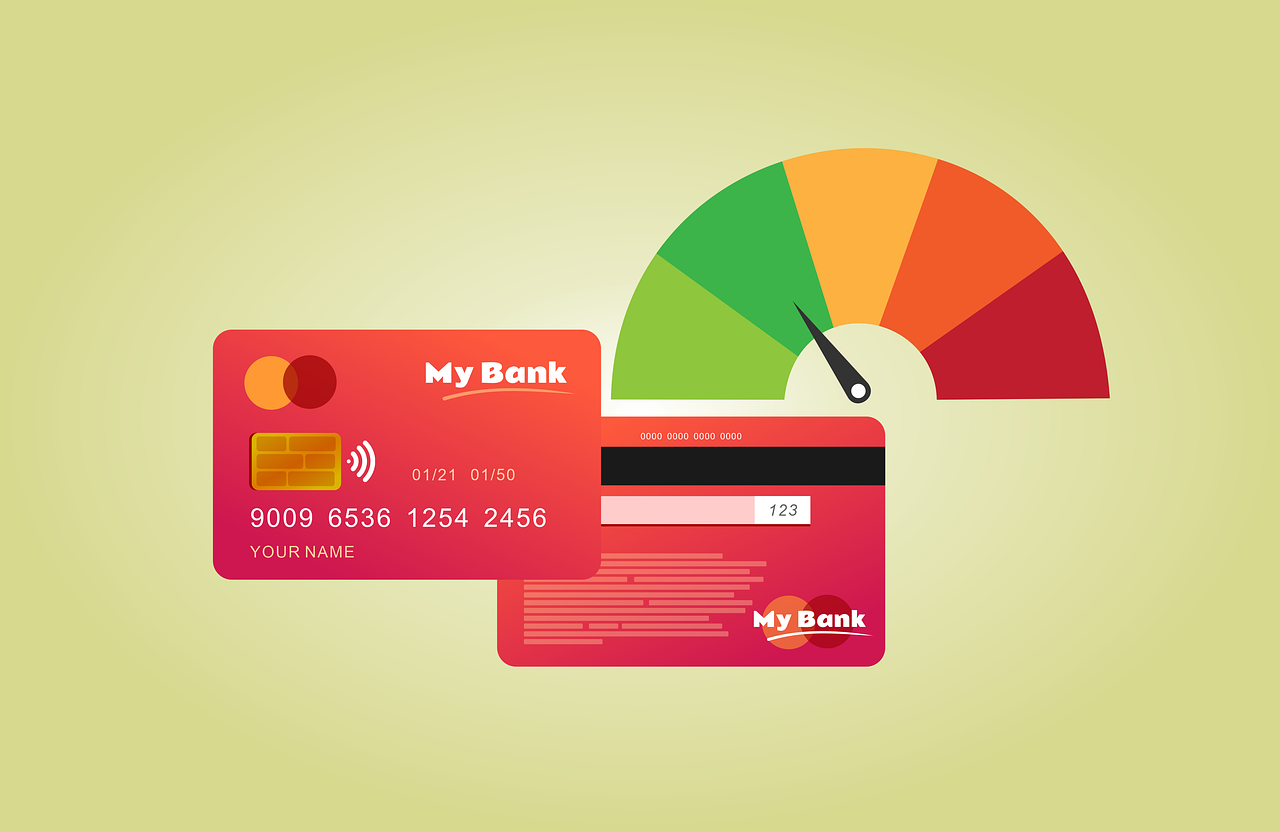
Credit bureaus play a vital role in the financial ecosystem by collecting data and calculating credit scores. They gather information from various sources, such as banks, lenders, and public records. One significant factor considered is the payment history, which reflects whether consumers pay bills on time. Late payments or defaults can considerably impact a score negatively. Another essential element is credit utilization, defined as the ratio of a consumer’s current credit card balances to their credit limits. Maintaining low utilization is favorable. Furthermore, the length of credit history is crucial; longer, responsible credit use can bolster a score. Moreover, the types of credit accounts contribute to the overall picture, as diverse credit is perceived positively. Additionally, the number of recent inquiries or applications for credit can signal risk. Credit bureaus analyze these parameters to generate credit reports, which financial institutions use to assess potential borrowers. Therefore, understanding how credit bureaus process information is vital for consumers aiming to manage their credit effectively, impacting their financial well-being. Staying informed can lead to better credit decisions which can positively influence scores.
Each factor intertwined in credit scoring significantly contributes to how lenders evaluate applicants. Payment history, the most prominent factor, makes up approximately 35% of a credit score. Consistent on-time payments can enhance a credit report, while missed payments can lead to substantial reductions. It’s essential for borrowers to maintain timely payments to build and sustain a healthy credit profile. Additionally, credit utilization accounts for about 30% of the score calculation, emphasizing the importance of keeping balances low relative to limits. A good rule of thumb is to keep this ratio below 30% of total available credit. Alongside these two, credit history length, which comprises roughly 15% of a score, reflects trustworthiness over time. A longer history with timely payments indicates responsible management and is favorable to credit scores. The diversity of credit types—such as revolving credit and installment loans—makes up around 10%, demonstrating the value of managing various credit forms. Lastly, recent credit inquiries, which contribute about 10%, can signal risk due to frequent applications. Knowing these factors is key to maintaining financial health.
Understanding Payment History and Techniques
Payment history stands out as the most significant individual component in determining a person’s creditworthiness. It accounts for a substantial percentage of a credit score, highlighting its importance in the credit evaluation process. Timely payments reflect responsible financial behavior while late or missed payments can have devastating effects. Borrowers must understand that even a single late payment can linger on a credit report for several years. Hence, establishing a consistent payment schedule promotes financial reliability. Payments must be noted accurately through various means such as automated bank transfers or reminder alerts to avoid human error. It’s advisable to set up recurring payments for essential accounts, at least for minimum amounts to stay above water on credit. If a payment is missed, it is crucial to make it up as soon as possible to minimize negative repercussions. Additionally, negotiating with creditors for late payments can yield positive outcomes. Creditors may agree to remove them if the request is backed by strong justification or improved ongoing payment behavior. Thus, monitoring payment history is vital for potential borrowers or consumers seeking favorable terms.
Credit utilization represents a significant aspect of how credit bureaus evaluate individuals. Maintaining a low credit utilization ratio is often recommended to secure a positive credit score. This ratio illustrates how much of available credit is currently being utilized. Generally, staying below 30% utilization is encouraged; however, lower is often better. For instance, if total limits are $10,000, the optimum amount owed should ideally be below $3,000. Understanding how credit utilization affects scores can help consumers make informed financial decisions. Setting up alerts when nearing this threshold can help consumers manage their usage better. Revolving credit accounts often worsen utilization ratios when balances are allowed to accumulate, leading borrowers to lose points on their scores. Ongoing purchases on credit cards without offsetting payments can lead to detrimental trends. Therefore, strategizing payments to significantly decrease these balances before the monthly reporting cycle is crucial. Alongside active usage, an ideal strategy includes paying down outstanding balances as early as possible and through multiple payments, reducing overall utilization throughout the billing month. This approach of regular management can favor overall credit health.
The Importance of Credit History Length
The length of credit history is an important factor in determining an individual’s creditworthiness. Credit bureaus regard longer credit histories, showing consistent and responsible repayment, favorably. This factor accounts for approximately 15% of overall credit scores. Those who have maintained their credit accounts over extended years generally achieve higher scores than those with shorter histories. Thus, consumers actively seeking to improve their credit scores should understand that simply opening new accounts can minimize beneficial history. New accounts may dilute the average length of available credit. For individuals new to credit, cultivating a solid history requires patience and responsible use of credit over time. It is essential to keep older accounts open, even if not actively used. The unique history of established credit accounts contributes positively, demonstrating reliability and stability over the years. Also, requesting credit limit increases periodically on existing accounts without increasing balances can positively impact the history length metric. Remember, establishing new credit accounts does not yield instant benefits; enhancing older account history is vital for overall financial health and long-lasting positive credit scores.
The various types of credit accounts play a significant role in shaping overall credit profiles and scores. Credit bureaus assess the diversity of accounts as a marker of financial management proficiency. Types include revolving accounts, such as credit cards, and installment loans, like personal loans or mortgages. Each type of account has different repayment terms, leading to various implications for financial strategies. Generally, a varied mix of credit types can bolster a credit score and suggest reliability. Lenders appreciate consumers who demonstrate responsible handling of multiple accounts, showcasing their ability to manage diverse debts. However, potential borrowers should refrain from obtaining new credit solely to create variety in their score calculations, as the resulting inquiries can adversely affect their scores. Instead, it is more effective to establish this balance gradually over time while focusing on responsible management. For example, those with only credit cards may consider adding an installment loan, while ensuring timely repayment on both types. The mix should align with consumers’ practical needs, promoting positive credit behaviors that benefit long-term financial objectives.
Impact of Recent Credit Inquiries
Recent credit inquiries play a crucial role in the evaluation process conducted by credit bureaus. Each time an individual applies for credit, a hard inquiry is placed on their credit report. Such inquiries can potentially cause a dip in credit scores, with significant consequences for consumers attempting to maintain or improve their credit status. Understanding that frequent applications can indicate financial distress or a poor credit situation is essential for mindful borrowing. It’s advisable to limit the number of inquiries by applying for credit selectively and ensuring the necessity before initiating an application. Potential borrowers should also consider consolidating inquiries within a specified timeframe for similar credit types, as credit bureaus may treat multiple inquiries as a single event within the context of auto loans or mortgages. This strategy minimizes the impact on scores. For individuals seeking to improve their credit profiles, refraining from unauthorized checking and awareness of how lenders evaluate inquiries is crucial. By managing how and when to apply for credit, consumers can take active steps to protect their scores and cultivate financial health effectively.
In conclusion, credit bureaus serve as vital intermediaries in the financial world, significantly influencing access to credit and favorable lending terms. They compile crucial information from various sources, analyzing factors like payment history, credit utilization, credit history length, account diversity, and recent inquiries. Each element influences credit scores directly, culminating in reports that lenders utilize to assess risks. Consumers must take responsibility for understanding these facets to enhance their borrowing capabilities and financial well-being. Regular monitoring of credit reports is recommended to detect discrepancies and address them promptly. Additionally, maintaining low balances, making timely payments, and diversifying credit types reflect responsible financial behavior. Consumers should be proactive in their credit management strategies to promote long-term success. It is essential to treat credit as a critical component of financial health, cultivating habits that drive positive results. By being aware of how credit bureaus evaluate creditworthiness, individuals can navigate the lending landscape more skillfully. Ultimately, fostering better credit scores empowers borrowers to secure loans and take advantage of more favorable financing options.