
Balancing Time, Cost, and Scope in Project Management
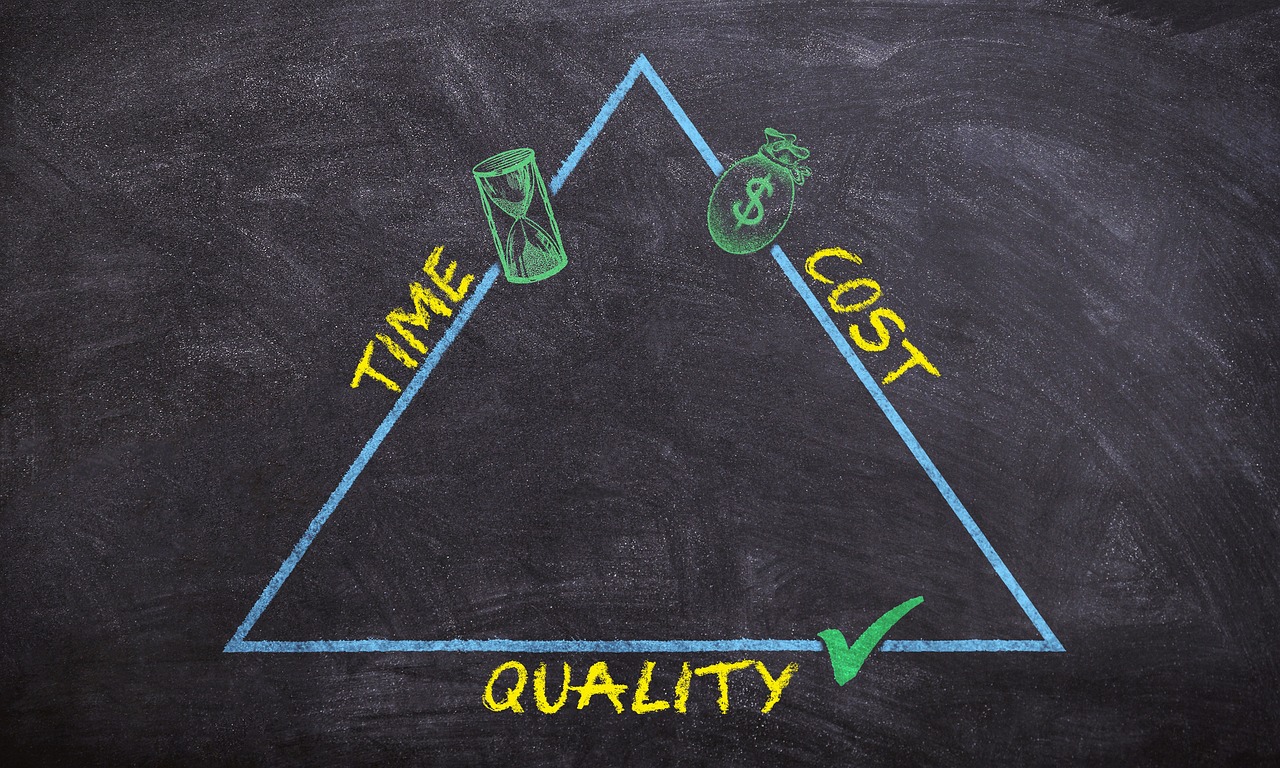
In project management, mastering the art of balancing time, cost, and scope is critical for success. Project managers face constant challenges that demand keen insights and effective strategies. Cost reduction strategies are pivotal in driving project efficiency and ensuring that outcomes align with business objectives. At the core of this balancing act lies understanding the triple constraint: time, cost, and scope. Each element influences the others; for example, reducing the budget can lead to reduced project scope, while extending deadlines may require increased costs. Awareness of these relationships is essential for making informed decisions. To effectively manage these constraints, project managers should leverage specific tools and techniques, such as regular assessments and stakeholder collaboration. These methods enable identification of potential risks and opportunities for cost optimization, ensuring that the project remains on track. Engaging in thorough planning and execution phases facilitates better resource allocation and expenditure controls. Moreover, incorporating lessons learned from past projects significantly enhances the learning curve within the organization, creating a culture of continuous improvement. Thus, project managers must establish a firm grasp on these fundamentals to navigate the intricacies of cost management successfully.
One effective strategy for balancing time, cost, and scope involves implementing Agile project management methodologies. Agile encourages flexibility and adaptiveness, enabling project teams to respond swiftly to changes and uncertainties. By breaking down the project into manageable iterations, teams can refine their approach based on feedback and emerging requirements. This iterative process fosters collaboration and stakeholder engagement, minimizing the potential for scope creep while keeping costs in check. Moreover, Agile practices prioritize essential features, ensuring that the most critical elements of the project are delivered on time. Embracing Agile not only enhances team efficiency but also optimizes resource allocation, allowing for better cost control throughout the project’s lifecycle. Implementing time tracking and performance monitoring tools can further aid project managers in assessing where investments yield the best returns. Understanding how decisions affect the overall composition of time, cost, and scope empowers project managers to make proactive adjustments when necessary. In essence, leveraging Agile creates a more dynamic project environment conducive to meeting objectives without incurring unnecessary costs. This approach exemplifies how adaptability can maintain project momentum while delivering value to all stakeholders involved.
Communication is another critical element in managing the balance between time, cost, and scope in project management. Clear, open lines of communication among team members and stakeholders ensure that everyone is aligned with project goals and objectives. Regular updates and feedback loops allow project managers to understand changing circumstances and address any issues as they arise. Furthermore, establishing a solid communication plan can mitigate misunderstandings that often lead to costly delays and scope adjustments. Using collaborative tools and platforms can facilitate transparent sharing of information, allowing real-time updates on project status. When managing diverse teams, cultural differences may pose additional communication challenges. Effective project managers are adept at navigating these nuances, employing strategies such as active listening and inclusive language to foster collaboration. The more informed each team member is, the better equipped they are to contribute to project success. Comprehensive documentation plays a pivotal role in ensuring information retention for future reference, serving as an invaluable resource for continuous improvement. Ultimately, prioritizing strong communication within the team and with stakeholders reinforces trust and commitment, which is essential in achieving project objectives.
Risk Management for Cost Control
Risk management is a vital component in driving successful project outcomes while balancing time, cost, and scope. Effective risk identification, assessment, and mitigation strategies can dramatically enhance cost control measures throughout the project lifecycle. Establishing a thorough risk management plan at the outset allows project managers to preemptively address potential challenges that could lead to cost overruns. Conducting regular risk assessments enables teams to recognize emerging threats and adapt strategies accordingly to minimize their impact. Moreover, fostering a risk-aware culture within the project team encourages proactive problem-solving and open dialogue regarding uncertainties. Implementing risk mitigation strategies such as contingency planning and resource allocation can help ensure that projects remain on schedule and within budget. The integration of risk management practices into the project framework establishes a solid foundation for making informed decisions in real time. Furthermore, engaging stakeholders in identifying risks strengthens the support system, creating a collective commitment to managing uncertainties. Thus, incorporating effective risk management practices improves overall project resilience, ensuring that project objectives align with organizational goals while managing costs effectively.
An equally important factor in optimizing cost control is the foresight of resource management. Proper allocation of resources, including personnel, finances, and materials, is essential for maintaining the balance between time, cost, and scope. Balancing workloads and aligning skills with project requirements effectively contributes to achieving targets without overextending budgets. Incorporating capacity planning into the project management process allows teams to anticipate potential bottlenecks and allocate resources efficiently. Moreover, establishing key performance indicators (KPIs) helps track resource utilization and effectiveness, identifying areas where improvements can be made. Project managers should continuously assess resource availability and make necessary adjustments to prevent delays and excess expenses. Additionally, fostering a culture of accountability within the team enhances ownership and responsibility towards project objectives. By encouraging team members to partake in resource management discussions, project managers can empower individuals to innovatively suggest strategies for improvement. This collaborative approach significantly enhances project morale, ultimately contributing to a successful project outcome. In conclusion, prioritizing effective resource management and engagement is paramount for achieving optimal cost control and maintaining the delicate balance between time, cost, and scope.
In the realm of project management, performance measurement is vital for tracking progress and achieving cost reduction goals. It is crucial to establish benchmarks and metrics that accurately reflect project performance concerning time, cost, and scope. Implementing a balanced scorecard approach can provide comprehensive insights into overall project health, highlighting areas for intervention if performance deviates from the plan. Regular performance evaluations foster accountability and ensure all team members understand their contributions to project objectives. Subsequently, incorporating lessons learned from previous experiences allows teams to refine existing processes proactively, driving further improvements. Furthermore, utilizing data analytics tools can enhance decision-making, ensuring teams leverage information effectively to optimize resources and minimize costs. Consistent feedback loops and performance assessments cultivate a culture of transparency and continuous improvement, empowering teams to adapt dynamically. This proactive approach paves the way for identifying opportunities for innovation or process enhancements, ultimately contributing to better project delivery outcomes. Thus, embedding evaluation frameworks into the project management lifecycle strengthens the ability to balance time, cost, and scope—serving a critical role in achieving long-term project success.
Conclusion: Strategies for Success
In summary, successfully balancing time, cost, and scope in project management requires a holistic approach and the implementation of various strategies. Emphasizing effective risk management, clear communication, Agile methodologies, resource allocation, and performance measurement can significantly improve project outcomes. Additionally, incorporating stakeholder engagement throughout the project lifecycle will ensure alignment and commitment to project objectives. By fostering a collaborative project culture, teams can navigate challenges with ease and optimize cost reduction strategies effectively. Continuous learning from past projects further enriches team knowledge, facilitating innovation and adaptability to changing environments. Project managers must remain vigilant in assessing their strategies, making adjustments where necessary to maintain balance amid complexities. Adopting a flexible mindset and cultivating an environment centered on teamwork fosters resilience in addressing unforeseen challenges. Organizations can maintain a competitive edge in the market by ensuring all elements work in harmony, ultimately driving project success. As the project management field evolves, embracing these strategies for balancing time, cost, and scope will empower professionals by maximizing value realization while minimizing associated risks and expenses in their projects.
Realizing successful outcomes in project management necessitates a deep comprehension of the interconnectedness among time, cost, and scope. Through meticulous planning, risk mitigation, and effective resource management, project managers can achieve strategic objectives while maintaining cost efficiency. Adapting to emerging trends and tools remains essential for addressing the challenges faced in modern project management. This integrative approach enables organizations to harness their strengths and reduce expenses while fulfilling stakeholder expectations. Ultimately, fostering an environment that encourages contribution and innovation leads to sustainable project success. By focusing on both individual and team performance, the overall project trajectory can adapt and improve, setting a precedent for future projects. Maintaining a healthy project portfolio facilitates an organization’s growth, ensuring that it remains resilient in an ever-changing landscape. Thus, project managers must emphasize learning and leverage past experiences to strengthen their foresight in future initiatives. As they apply these balancing strategies, it becomes increasingly clear that achieving a harmonious integration of time, cost, and scope is fundamental to achieving project goals while minimizing unnecessary costs. In doing so, project managers pave the way for recognized excellence and enhanced operational efficiency in delivering value to all stakeholders.