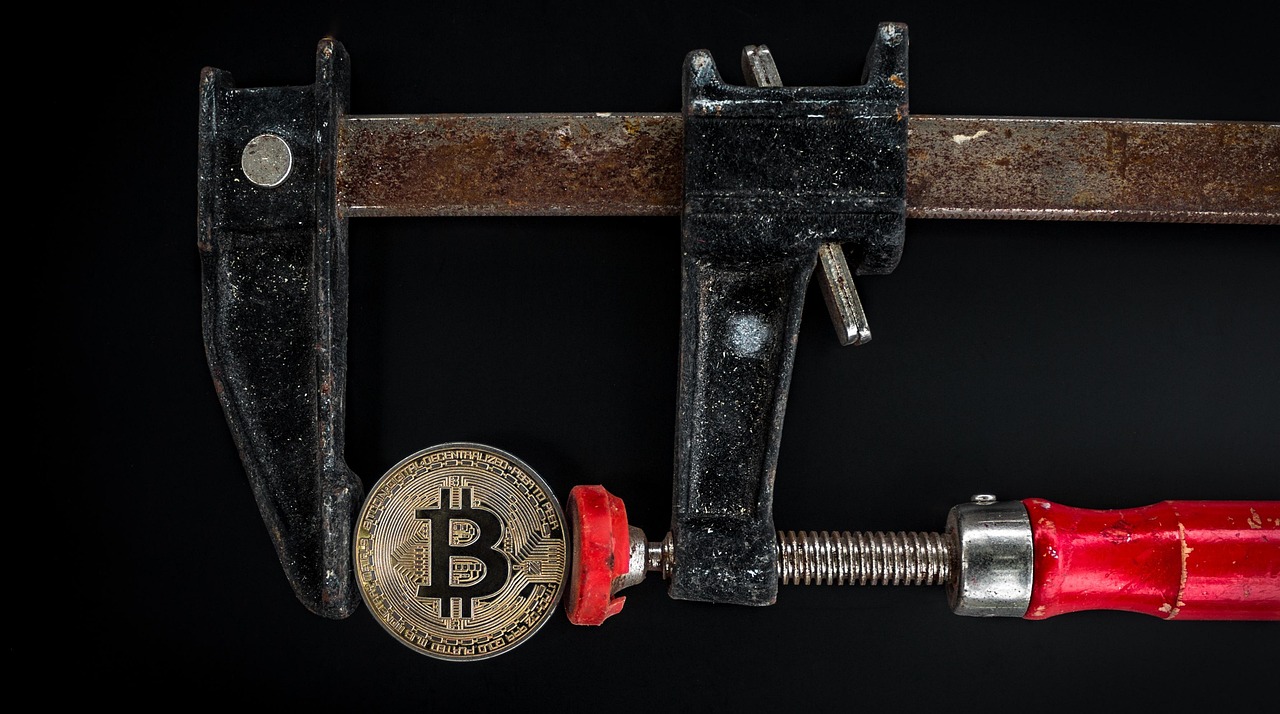

Crypto Security: Tips for Safe Trading on Exchanges
Trading cryptocurrencies can be exciting, but it also carries significant risks. To safeguard your assets while trading, following best practices in crypto security is essential. First and foremost, always enable two-factor authentication (2FA) on your exchange accounts. This adds an extra layer of security beyond just a password. Utilize strong, unique passwords for each exchange and store them in a reputable password manager. This approach helps prevent unauthorized access to your accounts. Moreover, be sure to keep your software and applications updated. Regular updates often include security patches that protect against vulnerabilities. Additionally, exercise caution with public Wi-Fi networks. Public networks can expose sensitive data to hackers, so only trade on secure and private connections. Familiarizing yourself with phishing attacks is also critical, as these attempts can trick you into revealing personal information. Always double-check URLs before entering any credentials. Finally, consider using a hardware wallet for storing large amounts of cryptocurrencies, as it provides a secure offline storage option that is less susceptible to cyber threats.
Another crucial aspect of crypto security involves recognizing the importance of reliable exchanges. Before trading, research exchange platforms for their security measures and user reviews. Check if they have been previously hacked and how they handled the situation. Trading on a well-established exchange often comes with enhanced security protocols and insurance against hacks. Additionally, be cautious while interacting on social media and community forums. Scammers utilize these platforms to promote dubious investment schemes and phishing attempts. Always independently verify any claims and only invest in reputable projects. Keeping your cryptocurrency holdings diversified across multiple wallets and exchanges can also mitigate risks. In the case of a hack or security breach, having assets in separate locations protects a portion of your portfolio from loss. Another advisable practice is regularly monitoring transactions and account activity, to catch any suspicious actions early. If anything seems amiss, promptly change your passwords and contact the exchange support team. Following these guidelines will help ensure secure and responsible trading practices while navigating the cryptocurrency landscape.
Utilizing Cold Storage for Maximum Protection
For serious investors, implementing cold storage solutions is an excellent way to enhance asset security. Cold storage refers to keeping your cryptocurrencies offline, making them nearly impossible for hackers to access. Hardware wallets and paper wallets are popular cold storage methods for holding digital assets. Hardware wallets, like Ledger or Trezor, securely store private keys on a physical device, disconnected from the internet. This insulating feature is crucial in protecting your assets from online threats. On the other hand, paper wallets involve printing your private and public keys on paper, which you can store securely at home. While both methods effectively keep assets safe, it’s essential to handle them carefully. Avoid sending parts of your cryptocurrencies from cold storage directly to exchanges for trading; instead, consider using a smaller, secure wallet for exchange transactions while keeping the majority offline. Additionally, keep your cold storage backup secure, as losing access can lead to permanent loss of funds. Thoroughly educate yourself about the process of generating and storing cold wallets to avoid common mistakes. Following these practices will maximize the security of your investments during your trading journey.
Engagement in community discussions regarding security trends is another vital practice for cryptocurrency users. Regularly participating in forums enhances your knowledge about evolving threats and the latest security features. On platforms such as Reddit and Bitcointalk, users often share experiences related to hacks and improvements in security protocols, which can inform your practices. By staying updated on industry news, you can anticipate potential risks before they become significant issues. It’s also prudent to subscribe to reliable cryptocurrency news outlets and security advisory websites, ensuring that valuable security alerts reach you in time. However, beware of misinformation; always cross-check facts before acting on advice from less reputable sources. Additionally, consider joining security-focused groups on social media, where experts share insights and educational resources. These discussions can better equip you to defend your assets and adopt optimal security measures. Investing time in understanding security nuances will not only protect your investments but also improve your trading outcomes. By keeping abreast of new developments in the cryptocurrency landscape, you’ll cultivate a robust defense against inventive cyber threats.
Staying Informed About Regulatory Changes
The continuously evolving regulatory landscape surrounding cryptocurrencies is another facet that can impact your security practices. Changes to regulations can impose new compliance requirements on exchanges, influencing their operation and risk management strategies. Consequently, understanding these regulatory developments can support you in selecting trustworthy and compliant exchanges for your trading activities. As governments worldwide grapple with implementing lawful frameworks for digital assets, there’s a chance that regulations may lead to enhanced security measures on exchanges. Make it a point to stay informed about local and international cryptocurrency regulations, as these changes may ultimately affect overall market stability. Regularly following updates from regulatory bodies and financial institutions can help you foresee potential pitfalls in your trading journey. Additionally, be cautious when sharing personal information required during the account setup process; ensure it’s going to reputable exchanges. It’s best to verify the legitimacy of exchanges independently by reading user reviews and checking their compliance status with authorities. While regulatory variations exist worldwide, awareness of pertinent regulations will contribute to your overall trading security.
When trading on exchanges, maintaining a level of skepticism towards offers that seem too good to be true protects you from falling victim to scams. Cryptocurrency scams often guarantee unsustainable returns or ask for significant upfront investments with deceptive promises. Be wary of unsolicited investment opportunities offered on social media platforms and forums, as these are common channels for scams. Moreover, it’s essential to use comprehensive research before investing in initial coin offerings (ICOs) or new tokens. Analyze project whitepapers and team backgrounds to gauge their legitimacy thoroughly. This due diligence minimizes the risk of investing in unworthy projects or platforms. Always approach new investment opportunities with caution and avoid rushing into decisions. Regularly assess your portfolio and its alignment with your financial goals, making adjustments as necessary. In forecasting the market, set realistic expectations for your trading outcomes. By adopting a critical perspective and conducting necessary research, you can better protect your investments and secure successful trading experiences.
Conclusion and Final Reminders
In summary, practicing good security measures while trading cryptocurrencies is imperative for safeguarding your investments. From enabling two-factor authentication to using cold storage solutions, each step enhances your asset protection. Engage with the community to stay informed about the latest security trends and remain vigilant against online threats. Also, understanding the impact of regulatory changes on exchanges can significantly affect your trading security. Be cautious of solicitations and offers that promise unrealistic returns; conduct thorough research before committing funds. Continually monitor your transactions and maintain strong passwords to fortify your defense against cyber threats. Most importantly, educate yourself on emerging security best practices and embrace improvements in technology to protect your cryptocurrency. By remaining proactive and informed, you ensure safe trading experiences across exchanges while minimizing potential risks. These practices will undoubtedly empower you in your cryptocurrency journey, allowing you to trade with greater confidence. Lastly, always remember that security in the crypto space is an ongoing effort, requiring consistent diligence and adaptation to new challenges and developments.
As a final tip, maintain an emergency response plan. If your account becomes compromised, having prepared, predefined steps will enable you to act quickly to mitigate damages. Regularly change your passwords and keep a record of your transactions. Being organized enhances your overall security strategy as a trader. Stay safe and secure while trading in the exciting world of cryptocurrency!