
Multi-dimensional Customer Journey Maps: Going Beyond the Basics
In today’s rapidly changing marketplace, understanding the customer journey is crucial for enhancing customer experience and engagement. Traditional customer journey mapping typically covers linear touchpoints, often missing the complexities of consumer behavior. Multi-dimensional customer journey maps provide a comprehensive approach by incorporating various perspectives and dimensions, aiding businesses in recognizing the ever-evolving needs of their customers. These maps allow marketers to visualize the customer experience from several angles, understanding emotions, expectations, and interactions. The resulting insight helps in crafting tailored marketing strategies and improved customer offerings. A multi-dimensional map can also pinpoint friction moments along the journey, potentially leading to lost customers. By addressing these pain points, businesses can streamline processes, enhancing customer satisfaction. Moreover, integrating real-time data into these maps enhances their value, allowing companies to adapt strategies dynamically. Therefore, the shift to multiple dimensions in customer journey mapping represents a strategic evolution in marketing aimed at fostering deeper customer relationships. It gives businesses an edge by enabling them to anticipate behaviors and create personalized experiences that resonate authentically with their target audience. Multi-dimensional mapping truly empowers brands in reshaping the customer experience in meaningful ways.
Understanding the key components of multi-dimensional customer journey maps is essential for effective implementation. The primary elements include various customer touchpoints, emotional responses, and contextual factors influencing a customer’s decisions. Each touchpoint presents a unique opportunity for interaction, where customers form experiences and perceptions about the brand. Recognizing the emotional highs and lows throughout these interactions will enable businesses to align their efforts with customer sentiment, thereby cultivating loyalty. Additionally, contextual factors such as market trends, demographic shifts, and technology changes play a pivotal role in shaping customer behavior. By analyzing these components, marketers can better interpret data and develop insights that lead to quick responses to customer needs. Tools like data visualization platforms can assist in crafting intuitive maps that prioritize the most impactful elements along the journey. Furthermore, including customer feedback within these maps allows for a more authentic representation of their experience, facilitating informed decision-making. Consequently, the successful adoption of multi-dimensional mapping hinges on a collaborative approach, where various departments within an organization contribute insights, ensuring that marketing strategies are comprehensive and aligned with customer expectations.
There are myriad benefits to utilizing multi-dimensional customer journey maps in enhancing customer experiences across industries. One significant benefit lies in their ability to improve segmentation strategies. By understanding different customer personas, brands can deliver targeted messaging tailored to each segment’s unique needs. This personalized approach not only boosts customer satisfaction but also drives engagement and conversion rates. Moreover, these maps provide a framework for measuring the impact of marketing initiatives over time. Businesses can map out performance metrics at each touchpoint along the journey, facilitating a more agile approach to resource allocation and prioritization of marketing efforts. Implementation of multi-dimensional maps also leads to improved collaboration within teams, as it fosters a culture of shared understanding and responsibilities. Teams across sales, marketing, and customer service can align their initiatives, ultimately enhancing the seamlessness of customer interactions. Furthermore, through continuous assessment and refinement of these maps, organizations can maintain their relevance in a changing market landscape, ensuring that they are not only meeting but exceeding customer expectations, fostering loyalty, and driving long-term success.
Tools and Techniques for Creating Effective Journey Maps
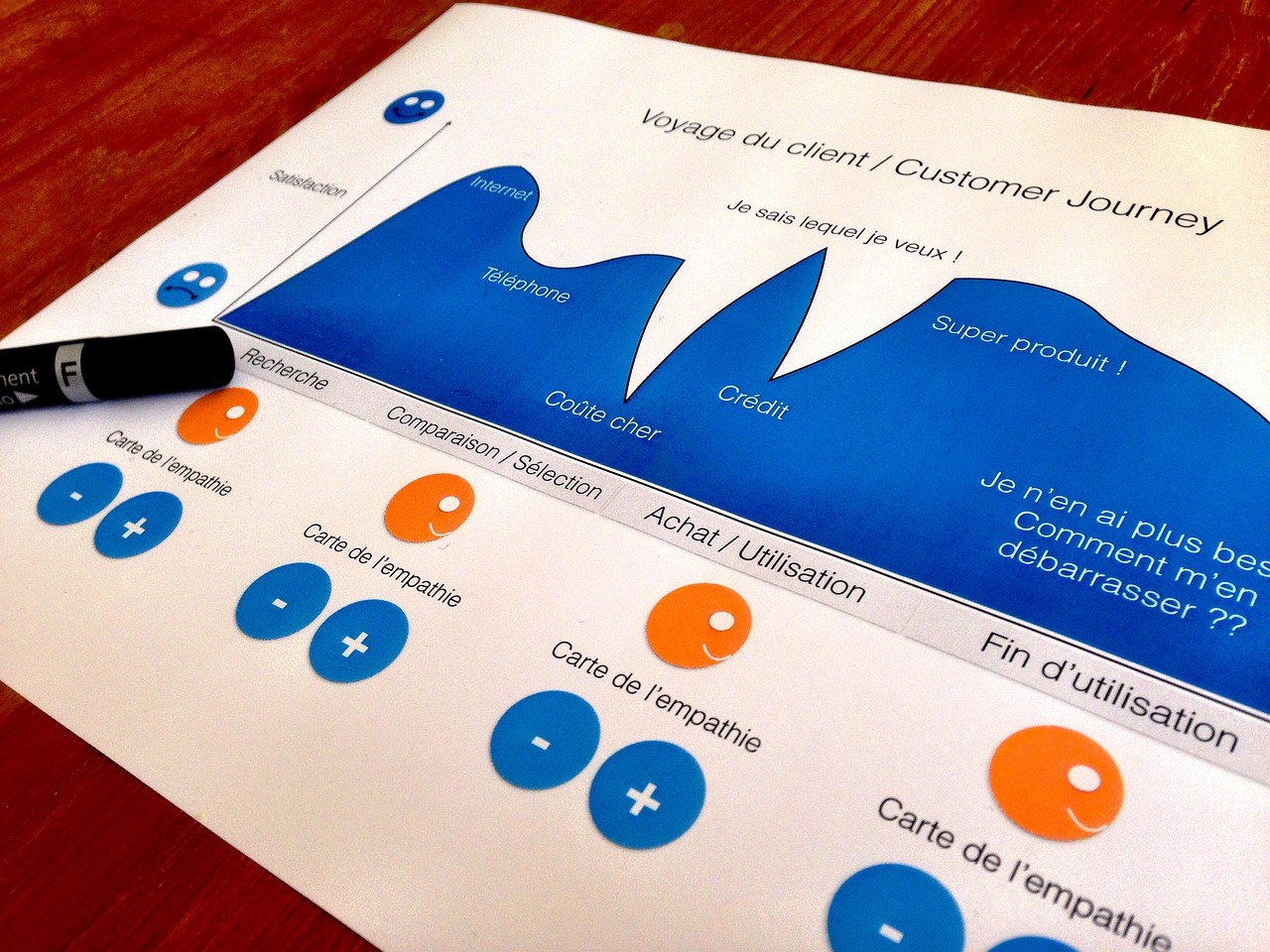
Various tools and techniques facilitate the effective creation of multi-dimensional customer journey maps. For starters, employing customer journey mapping software enables businesses to visually represent the customer experience, enhancing clarity and comprehension. Additionally, methodologies such as empathy mapping can deepen insights into customer emotions, helping to pinpoint pain points accurately. By conducting thorough market research, businesses can gain comprehensive understandings of their target audiences, ensuring the mapping process is as relevant as possible. Analytics tools also play a crucial role in extracting data-driven insights that inform the mapping process. Through integrating customer feedback and insightful metrics, organizations can craft maps that reflect reality rather than assumptions. Engaging with customers during the mapping process invites their perspectives, yielding anecdotes that enrich the visualization of their journey. The use of mind mapping techniques can also foster brainstorming sessions within teams, generating innovative ideas for improving touchpoints. By utilizing these various tools and techniques, businesses can create impactful and actionable multi-dimensional customer journey maps that genuinely reflect consumer experiences and expectations.
For many organizations, implementing multi-dimensional customer journey maps signifies a transformational shift in how they view and interact with their customers. This approach necessitates a collaborative mindset across departments where customer-centricity becomes a shared goal. Often, breaking down silos within the organization is crucial to ensure effective communication and knowledge sharing essential for a holistic understanding of the customer experience. Training and workshops can enhance employees’ skills in interpreting journey maps, equipping them to utilize the insights gleaned from these tools effectively. Furthermore, refining the customer journey maps must be an ongoing process that evolves with changing consumer behaviors and preferences. Regularly revisiting the maps helps identify emerging trends, ensuring relevant and proactive strategies. Stakeholders should also be engaged in reviewing and optimizing journey maps to maintain their relevance and impact continually. Ultimately, the successful implementation of multi-dimensional customer journey maps can empower businesses to cultivate significant and lasting relationships with their customers, driving loyalty and superior brand differentiation in competitive markets.
Challenges in Journey Mapping and Solutions
While there are immense benefits to adopting multi-dimensional customer journey maps, organizations often encounter various challenges throughout the process. For example, ensuring adequate collaboration between departments can be difficult due to existing silos in operational practices. To combat this, organizations should promote cross-functional teams that work together cohesively toward shared objectives while keeping the customer at the forefront. Additionally, some businesses may struggle with gathering accurate data regarding customer interactions. By utilizing a mix of qualitative and quantitative research methods, companies can obtain a holistic view of customer experiences, enriching mapping accuracy. Another challenge businesses face is keeping journey maps up-to-date in a fast-paced environment. Establishing a routine review process can address this issue, allowing for continuous adjustments that reflect the ever-changing consumer landscape. Lastly, many organizations lack clear metrics to assess the effectiveness of their journey maps. Developing key performance indicators linked to customer satisfaction and business outcomes can provide valuable insights into their success. Addressing these challenges head-on empowers organizations to leverage multi-dimensional journey maps and improve customer interactions significantly.
In conclusion, multi-dimensional customer journey mapping extends far beyond basic touchpoint identification. This advanced approach enables businesses to create a more holistic and insightful view of customer experiences, allowing for improved decision-making and strategy development. By embracing the complexities of customer behavior, organizations can better align their marketing efforts with the emotional and contextual elements of their customer journeys. Each touchpoint provides opportunities for engagement, and understanding the nuances therein can enhance customer satisfaction and loyalty. Moreover, adopting collaborative and data-driven approaches fosters a unified organizational mindset focused on continuous improvement. Companies that embrace multi-dimensional mapping will find themselves better equipped to meet evolving consumer expectations, ultimately resulting in sustainable growth and increased profitability. The evolving landscape of customer experience demands adaptive strategies, and multi-dimensional customer journey maps offer a path forward. Success in today’s marketplace hinges on understanding customers deeply and responding promptly to their needs. Organizations that prioritize this crucial aspect of marketing are not only likely to flourish but will also redefine what it means to deliver exceptional customer experiences for the future.
In today’s rapidly changing marketplace, understanding the customer journey is crucial for enhancing customer experience and engagement. Traditional customer journey mapping typically covers linear touchpoints, often missing the complexities of consumer behavior. Multi-dimensional customer journey maps provide a comprehensive approach by incorporating various perspectives and dimensions, aiding businesses in recognizing the ever-evolving needs of their customers. These maps allow marketers to visualize the customer experience from several angles, understanding emotions, expectations, and interactions. The resulting insight helps in crafting tailored marketing strategies and improved customer offerings. A multi-dimensional map can also pinpoint friction moments along the journey, potentially leading to lost customers. By addressing these pain points, businesses can streamline processes, enhancing customer satisfaction. Moreover, integrating real-time data into these maps enhances their value, allowing companies to adapt strategies dynamically. Therefore, the shift to multiple dimensions in customer journey mapping represents a strategic evolution in marketing aimed at fostering deeper customer relationships. It gives businesses an edge by enabling them to anticipate behaviors and create personalized experiences that resonate authentically with their target audience. Multi-dimensional mapping truly empowers brands in reshaping the customer experience in meaningful ways.