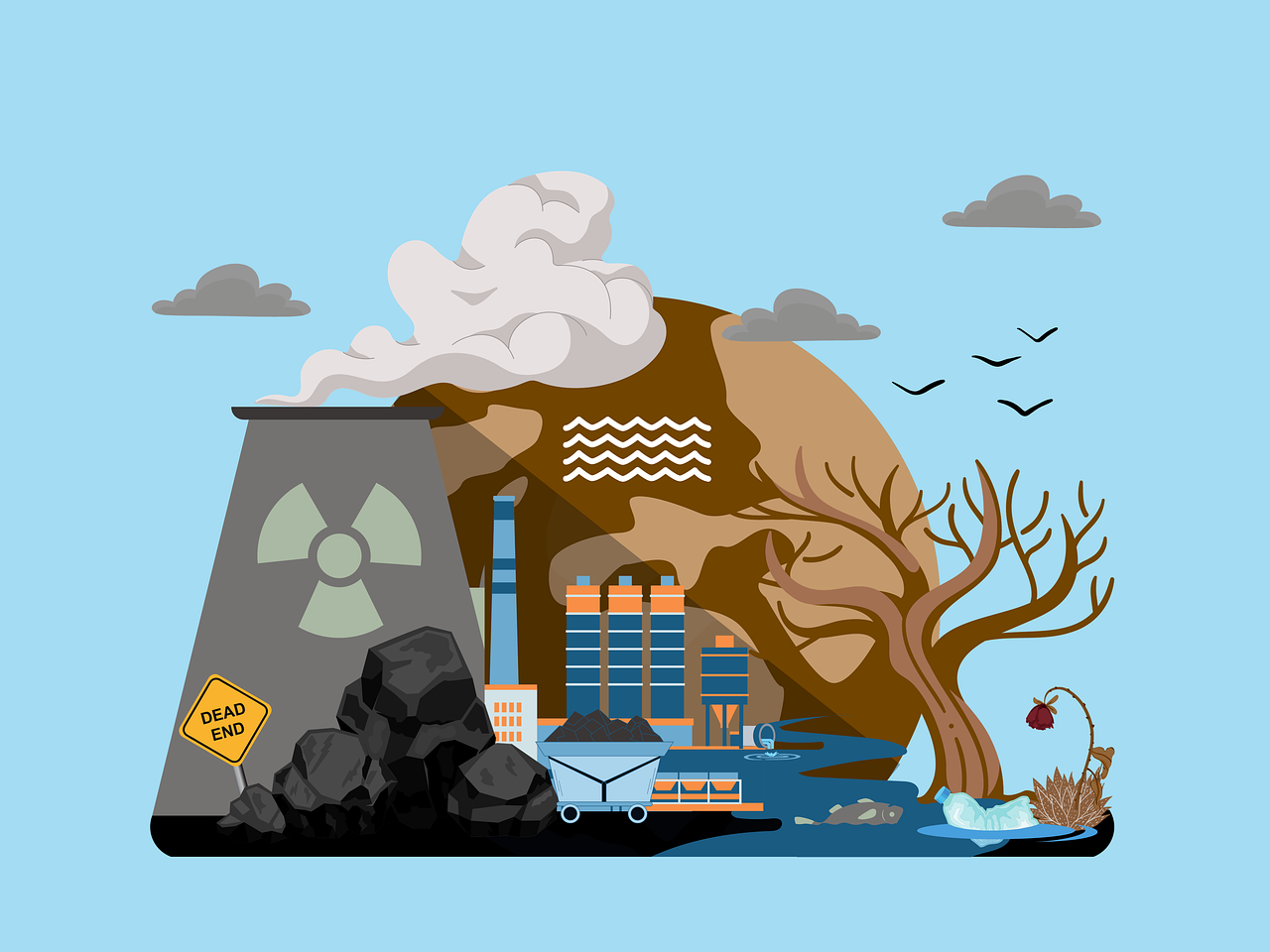

The Growing Importance of Environmental Risk Insurance
In today’s rapidly changing climate, the significance of environmental risk insurance is becoming increasingly amplified. As extreme weather events occur more frequently, businesses and individuals alike are recognizing the need for coverage against potential losses stemming from environmental disasters. This shift requires insurers to adapt and innovate, incorporating climate change data and predictive models into their risk assessments. Insurers must understand the unique issues that environmental risks present, from pollution liabilities to natural disaster coverage. Moreover, the rising awareness among consumers about sustainability is prompting businesses to seek policies that protect against green risks, pushing the industry toward more eco-friendly practices. Therefore, companies are evaluating their sustainability practices alongside their insurance needs, leading to a greater emphasis on environmentally conscientious policies. Regulatory changes are also contributing to the growing demand for environmental risk insurance, as governments implement stricter guidelines aimed at reducing environmental impact. Companies may soon find it essential to navigate these regulations effectively to remain compliant. Hence, it is critical for organizations to partner with knowledgeable insurers who comprehend the complexities associated with environmental liabilities.
The Role of Insurers in Environmental Protection
Insurers play a pivotal role in mitigating environmental risks by providing financial support during disasters. Though often perceived as only risk mitigators, insurers can also significantly contribute to environmental sustainability. By offering specialized environmental risk insurance products, they can incentivize businesses to adopt safer practices that minimize environmental damages. For instance, insurers may lower premiums for companies that implement effective waste management strategies, invest in renewable energy, or adopt sustainability certifications. This creates a dual advantage: reducing environmental degradation and promoting safe business practices. Furthermore, insurers can engage with policyholders to develop risk management strategies tailored to environmental challenges. For example, they can advise businesses on how to conduct regular environmental impact assessments, helping identify potential risks before they escalate into larger issues. By fostering these proactive relationships, insurers empower businesses, encouraging them to take responsibility for their environmental impacts. Consequently, this leads to a healthier ecosystem and reduces the frequency of claims related to environmental damages. In essence, the insurance industry can catalyze a culture of sustainability that aligns with broader societal goals.
The importance of regulatory compliance cannot be overstated in the context of environmental risk insurance. Many industries are now subject to evolving regulations designed to protect the environment, and non-compliance can lead to fines, company reputations being tarnished, or even lawsuits. As businesses strive to achieve compliance, the right insurance coverage becomes essential. Environmental risk insurance can help businesses navigate these complex regulatory landscapes by offering financial protection against liabilities that may arise from non-compliance. Insurers can provide insights into regulatory trends, equipping organizations to adapt proactively, thereby minimizing potential risks. An adaptable insurance policy becomes a necessary tool that safeguards investments and encourages compliance. By anticipating changes in regulations, an organization can address environmental obligations effectively, demonstrating commitment towards sustainable practices while fulfilling legal requirements. This compliance-driven approach not only protects the company but also enhances its overall reputation in the marketplace. Businesses that recognize the significance of environmental risk insurance within this regulatory context can position themselves as leaders in corporate responsibility, especially as stakeholders increasingly prioritize environmental, social, and governance (ESG) factors.
The Economic Implications of Environmental Risk Insurance
As the global economy faces the ramifications of climate change, the economic implications of environmental risk insurance are becoming universally acknowledged. Insurers are establishing a vital role in providing stability to businesses, which is crucial in a climate-changing world. Without adequate coverage, businesses risk potential catastrophic financial losses from disasters, affecting everything from supply chains to operational continuity. The demand for environmental risk insurance is projected to increase as firms seek financial security against environmental uncertainties. Such coverage not only protects individual enterprises but contributes to a more resilient economy overall, fostering investor confidence. As businesses invest in insurance products that account for environmental risks, they do contribute to a robust market that emphasizes sustainability. Furthermore, by implementing proactive measures for managing their environmental impacts, businesses can potentially lower insurance costs while activating sources of capital to fund sustainable initiatives. Ultimately, this creates a cyclical relationship where protection from environmental risks encourages further investment in sustainable practices, resulting in enhanced economic growth. Insurers and businesses that work together can foster a more sustainable future while boosting economic stability for their stakeholders.
Climate change impacts extend beyond direct environmental effects; they also affect individual livelihood and national economic growth. As a result, the social implications of environmental risk insurance have gained attention, as insurance can serve as a safety net for vulnerable communities. Many communities face existential threats from natural disasters and climate change, emphasizing the need for adequate insurance coverage. Ensuring communities have access to environmental risk insurance is vital for recovery and resilience. Local economies often depend on small businesses that are disproportionately affected by environmental risks. Therefore, it is critical for insurers to develop policies that cater to these communities and support their recovery efforts. By offering affordable premiums and accessible services, insurers can find ways to protect against natural disasters. By backing community initiatives, they play a pivotal role in addressing social inequities exacerbated by climate change. Additionally, insurers can support local adaptation projects that strengthen resilience against environmental threats. In doing so, they foster a robust social fabric, enabling society to thrive even amidst challenging weather-related challenges.
Future Trends in Environmental Risk Insurance
As we look toward the future, several trends will shape the landscape of environmental risk insurance. First, technology advancements will influence how insurers assess and manage risks. For instance, predictive analytics and artificial intelligence can provide deeper insights into risk patterns and claims forecasting. Insurers will utilize these advancements to create more accurate pricing models and establish customized policies that specifically account for environmental factors. Moreover, the insurance industry will likely see an increasing shift toward collaboration among various stakeholders. By partnering with governments, NGOs, and businesses, insurers can promote innovative solutions that tackle environmental challenges more effectively. This collaborative approach not only enhances coverage options but aligns with the global pursuit of sustainable development goals, ensuring that insurance does not merely transfer risk but also actively supports environmental stewardship. Additionally, we should anticipate growth in educational outreach programs designed to raise awareness regarding the importance of environmental insurance. This increased knowledge can empower businesses to take action, encouraging them to seek out policies that align with their sustainability goals, ultimately leading to a healthier planet.
In conclusion, the importance of environmental risk insurance is undeniable in our changing world. As businesses and individuals increasingly recognize the risks posed by climate change, they seek innovative insurance solutions to address these challenges. Insurers are adapting by creating specialized products that not only provide coverage but also incentivize sustainable practices. Furthermore, regulatory compliance and economic stability hinge upon the availability of such coverage, showcasing its critical role in long-term planning for businesses. Environmental risk insurance is therefore an essential tool for navigating the complexities of today’s risks, empowering businesses and communities to take proactive measures. Future trends promise increased innovation and collaboration within the insurance marketplace, enhancing the quality of products available. As the whitespace in understanding environmental risks narrows, insurers will further rise as drivers of change, promoting responsible environmental practices and creating resilience in the face of uncertainty, thereby fostering a sustainable future for all. Ultimately, as society continues to confront environmental challenges, the insurance industry must evolve in tandem, embracing its role in advancing sustainability and protecting our planet for future generations.