
The Role of Mobile Payments in Enhancing Personal Finance Flexibility
In today’s fast-paced world, mobile payments have emerged as a transformative force in personal finance management. These innovative solutions provide users with unprecedented flexibility and convenience, allowing them to manage their finances seamlessly. As more consumers adopt mobile payment applications, financial institutions are increasingly investing in technologies that enhance user experience and secure transactions. This trend has led to advancements in the features offered by mobile wallets, including budgeting tools and spending analysis. Furthermore, users can easily access financial information and execute transactions from their smartphones, reducing the need for physical cash or cards. This connectivity empowers individuals to be more proactive in their financial planning. Mobile payment systems also support multiple payment methods, such as credit cards, debit cards, and direct bank transfers, fostering inclusivity in financial services. The ubiquitous nature of smartphones has made these services widely accessible, ensuring that essential financial transactions can be completed anytime and anywhere. Overall, mobile payments contribute significantly to a more organized and manageable approach to personal finance, thus enhancing overall financial well-being.
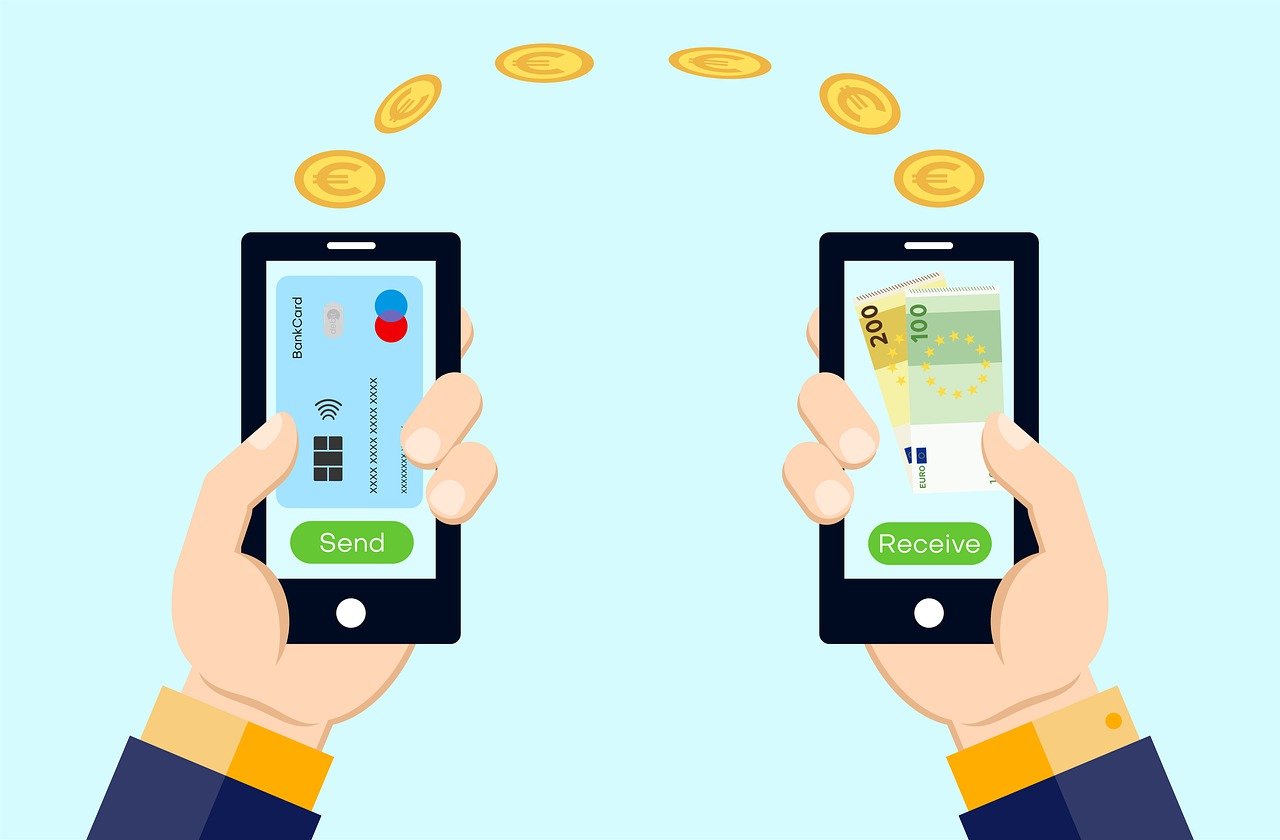
One of the key advantages of mobile payments is the convenience they offer users in managing their personal finances. Through various applications, individuals can track their spending in real-time, participate in budgeting practices, and even make informed decisions regarding investments. For example, some mobile payment platforms provide users with analytics and reports that summarize their spending habits. This feature enables users to identify areas for improvement, fostering a more responsible approach to financial management. Additionally, mobile payments simplify the process of transferring funds between friends and family, eliminating the need for cash. With a few taps on a smartphone, users can send or receive money promptly, making it easier for individuals to fulfill their financial obligations. As technology continues to evolve, we can expect mobile payment systems to integrate with other financial services, creating a more cohesive ecosystem for managing personal finances. The flexibility offered by mobile payments positions them as essential tools for individuals aiming to optimize their financial health, allowing them to adapt to changing circumstances in a rapidly evolving economic landscape.
Enhancing Financial Literacy with Mobile Payments
Financial literacy is paramount in today’s economy, and mobile payments have the potential to enhance this aspect significantly. By providing easy access to financial data and budgeting tools, these applications help users understand their financial situation better. For example, many mobile wallets come equipped with learning resources and tips on effective money management. By educating users about their spending habits and financial choices, mobile payment platforms serve as integral tools for self-improvement. Furthermore, they promote accountability by allowing users to set spending limits and receive alerts about overspending. With features like transaction history and spending breakdowns, users can make informed choices concerning their finances. Additionally, as these platforms continue to innovate, they could incorporate more educational resources focused on personal finance. Emphasizing personal finance management will not only help users make better decisions but also enhance overall economic stability. Ultimately, combining technology with financial education allows individuals to navigate their personal financial journeys more effectively. The role of mobile payments in fostering financial literacy cannot be underestimated, as it empowers users to take control of their economic futures.
Furthermore, the integration of mobile payments into retail and e-commerce platforms has significantly changed consumer behavior. Shopping experiences have become more streamlined, reducing friction during the payment process. With just a few taps, customers can complete transactions swiftly, which often leads to higher satisfaction and loyalty to brands. The increasing reliance on mobile payments is also prompting businesses to rethink their payment strategies. Merchants that adopt mobile payment solutions are able to attract tech-savvy consumers looking for convenience and efficiency. As consumers become more accustomed to digital transactions, it’s essential for businesses to adapt or risk losing out on potential sales. Moreover, as companies implement secure mobile payment systems, customers can feel more confident in completing online purchases. Enhanced security features, like biometric authentication and transaction encryption, reduce the risk of fraud, thus fostering trust in the mobile payment ecosystem. As consumers demand quick and safe payment options, the adoption of mobile payments will continue to grow, signaling a shift in how we think about spending and finance. This evolution is pivotal for businesses and consumers alike, creating an ecosystem of convenience.
Challenges of Mobile Payments in Personal Finance
Despite their benefits, mobile payments are not without challenges when it comes to personal finance management. Security and privacy concerns remain critical issues for users who may hesitate to share personal financial information online. With the increasing number of data breaches and cyber-attacks, consumers must be cautious when choosing a mobile payment platform. To mitigate these risks, it is crucial for providers to implement robust security measures that protect user data. This includes offering features like two-factor authentication and regular security updates to maintain consumer confidence. Additionally, not all demographics may have access to smartphones or the internet, creating a digital divide that excludes certain populations from financial inclusion. Efforts must be made to create accessible and affordable solutions to address this disparity. Moreover, the complexity of navigating different mobile payment platforms can overwhelm some users, especially those unfamiliar with technology. To address this challenge, providers should focus on user-friendly interfaces and clear instructions to empower all consumers to take advantage of mobile payments in their personal finance management.
Looking ahead, the future of mobile payments in personal finance management appears promising. As technology continues to advance, we can expect mobile payment solutions to become more sophisticated, incorporating additional features that cater to users’ evolving needs. For instance, artificial intelligence and machine learning could be integrated into mobile payment apps, offering personalized insights and recommendations to users based on their spending habits. By analyzing patterns in transaction data, these apps can help users set achievable financial goals and even automate savings. Additionally, the growing trend of blockchain technology may enhance the security and efficiency of mobile payment systems. With more merchants accepting cryptocurrencies, a new avenue for transactions could emerge. The expansion of partnerships between mobile payment platforms and financial institutions may also create more robust services, allowing users to manage investments alongside day-to-day transactions. As financial technology continues to disrupt traditional banking, mobile payments will play an integral role in shaping how individuals approach personal finance, ultimately promoting better financial health for everyone.
Conclusion: The Impact of Mobile Payments
In conclusion, mobile payments have revolutionized the landscape of personal finance management, providing users with unprecedented flexibility and convenience. As consumers increasingly embrace digital transactions, the relevance of mobile payment systems in their everyday financial lives will only continue to expand. By helping users track expenses, providing financial education, and promoting accountability, mobile payments empower individuals to take control of their financial future. As the technology matures, we can anticipate further enhancements that will address existing challenges, making these platforms even more secure and user-friendly. Financial institutions and businesses that adapt to this growing trend will flourish, as they cater to the needs of a tech-savvy consumer base. The future of personal finance is clearly leaning towards mobile solutions, emphasizing the importance of staying updated with technological advancements. By harnessing the potential of mobile payments, individuals can work towards achieving their financial goals while navigating the complexities of modern finance. Ultimately, mobile payments not only enhance personal finance flexibility but also lead to a more inclusive financial landscape for everyone involved.