
Cross-Country Comparisons of Trade Data: Methods and Insights
International trade is a crucial driver of economic growth and development. Cross-country comparisons of trade statistics are essential for understanding global trends, patterns, and performance. Various methodologies can be adopted to analyze trade data, focusing on factors such as trade volumes, balances, and partner countries. Comparative analysis may incorporate tools like regression analysis, index numbers, and qualitative assessments of trade agreements. Researchers often utilize data from international organizations, ensuring validity and reliability. Accessing diverse datasets enables the identification of trade-related trends, which can inform policy decisions and economic strategies. A critical aspect is harmonizing trade data, which involves standardizing definitions and classifications. Countries may report goods and services differently; thus, adjusting data for comparability is vital. Continuous improvements in data collection methods enhance accuracy, making it easier to identify significant changes in trade flows over time. Moreover, visual representation of trade statistics through graphs and charts can elucidate patterns and highlight important insights. Comparisons over time allow countries to gauge their performance and derive actionable recommendations for boosting trade effectiveness.
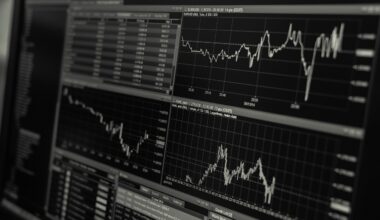
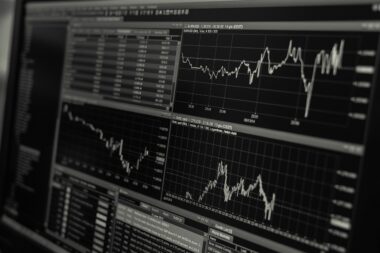
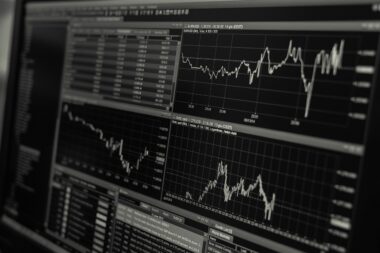
Trade statistics serve as powerful analytical tools for policymakers, businesses, and economists alike. They provide insights into international supply chains, market trends, and economic relations between countries. Monitoring trade flows helps identify export and import patterns, which are critical for enhancing a country’s competitiveness. A comprehensive approach involves analyzing not only quantitative data, such as the volume and value of trade but also qualitative aspects like trade barriers and tariffs. Employing a range of indicators, researchers can better assess a country’s position in global trade. Importantly, trade statistics must be contextualized within broader economic indicators, such as GDP growth, inflation rates, and employment levels. This multi-dimensional analysis offers profound insights into the health of the national economy. Additionally, the use of technology and software for data visualization facilitates easier interpretation of complex datasets, allowing stakeholders to derive meaningful conclusions quickly. Data dashboards that display real-time trade statistics enhance accessibility for decision-makers. Furthermore, these visual tools can highlight potential opportunities and risks in trading relationships, supporting informed policy responses to emerging challenges in the global marketplace.
Data Sources and Their Importance
The reliability of trade statistics heavily depends on the data sources utilized for analysis. Common sources of trade data include national statistical offices, customs agencies, and international organizations such as the World Trade Organization (WTO) and the International Monetary Fund (IMF). These organizations maintain databases that provide comprehensive trade information, including export and import figures, trade balances, and partner country dynamics. It is crucial for researchers to assess the quality and timeliness of data from these sources, as discrepancies can lead to misleading conclusions. Data from different countries may also use varying methodologies, prompting careful consideration when conducting cross-country comparisons. Furthermore, improving the availability of trade data in real-time through modern technology enhances transparency and facilitates quicker decision-making processes. Data integration from various platforms enables the development of a holistic view of international trade, allowing businesses and policymakers to react proactively to shifts in the market. The emphasis on data accuracy fosters a more profound understanding of trade dynamics, subsequently refining economic strategies and promoting sustainable trade practices across nations.
Analyzing trade statistics often unveils discrepancies that require in-depth examination and interpretation. Such discrepancies can emerge from differences in reporting standards, valuation methods, or time lags in data collection. Understanding these variances is critical for effective policymaking. Accurate trade data assists governments in identifying potential areas for negotiation and the need for trade agreements or amendments. For exporters and importers, these insights are invaluable for making strategic decisions regarding market entry and product adjustments. A robust analytical framework can help dissect complex data and provide sector-specific insights essential for targeted interventions. Moreover, taking into account macroeconomic factors, such as exchange rates, inflation, and political stability, adds another layer to the analysis. The economic landscape influences trade patterns, and responses are necessary to mitigate adverse effects. Businesses can utilize these insights to understand consumer preferences and trends in international markets. Ultimately, a granular examination of trade statistics empowers stakeholders to navigate challenges effectively, aiding in the alignment of strategies with rapidly changing global trade dynamics and fostering economic resilience.
Impact of Globalization on Trade Data
Globalization has significantly transformed the landscape of international trade, affecting how trade data is interpreted and compared. The rise of global supply chains, outsourcing, and interdependence among economies necessitates the collation of comprehensive trade statistics that reflect these realities. One major impact of globalization is the increased complexity of trade relationships, which often involves multiple countries in a single transaction. As a result, traditional methods of data collection may fail to capture the full scope of trade activities accurately. New frameworks are required to analyze these intricate patterns effectively. Furthermore, digitalization and advancements in data analytics play critical roles in shaping contemporary trade data methodologies. Enhanced data sharing and collaboration between nations enable greater accuracy and timeliness. Policies aimed at reducing trade barriers can also shift trends in data, as increased accessibility fosters higher volumes of trade. It is crucial for researchers to remain adaptive in their methodologies to fully understand the nuances of globalization’s effects on trade data. By doing so, countries can better position themselves to respond to emerging opportunities and global challenges.
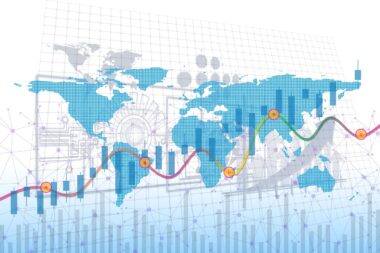
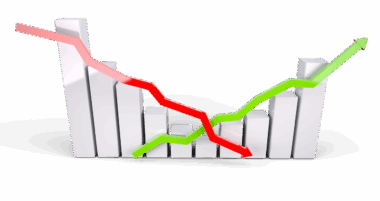
Trade data visualizations enhance comprehension and communicate complex information effectively. Leveraging graphical representations, such as charts, maps, and infographics, allows stakeholders to grasp essential trends and patterns swiftly. Data visualization simplifies the comparison of trade statistics among different countries or regions, illuminating insights that may not be apparent in raw data. Interactive dashboards enable users to explore various dimensions of trade data personalized to their needs. By observing high-resolution visual trends, policymakers can identify shifts in trade balances, emerging markets, and potential trade partners. The use of color coding and distinct markers further aids in understanding variations in trade performance. However, caution is warranted as visualizations must maintain accuracy and avoid misrepresentation of the data. Clear legends, consistent scales, and informative captions are necessary to facilitate accurate interpretations of the visual data. It is imperative that stakeholders assess the context behind the visualizations to derive meaningful conclusions. In this regard, integrating trade visualizations with narrative explanations enriches understanding, supporting informed decision-making processes and resulting strategies in the trade landscape.
The Role of Trade Policies in Data Interpretation
Trade policies substantially influence how countries approach their trade data and interpretations. Instruments such as tariffs, quotas, and trade agreements play a formidable role in shaping trade flows, potentially altering the landscape reflected in the statistics. Policies designed to encourage exports can lead to increased trade volumes, necessitating careful assessment of subsequent data changes. Conversely, protective measures may constrain imports, which could impact economic relationships with trading partners. Understanding these influences is key to interpreting trade data accurately. Additionally, regulatory environments and their attendant implications for trade can shift trade dynamics and the effectiveness of statistical analyses. When evaluating trade statistics, it is essential for researchers to account for recent policy changes and impending legislation that may further affect trade performance. Furthermore, trade policies can also shape data quality. Countries with robust legal frameworks tend to report more comprehensive and accurate data, allowing researchers to analyze trade patterns and trends more effectively. Hence, establishing effective trade policies not only enhances the integrity of data but also positions countries for competitive advantages within the global marketplace.
In conclusion, cross-country comparisons of trade data reveal critical insights into the complexities of international commerce. Employing diverse methodological approaches allows researchers to uncover trends and patterns that can drive economic policy and facilitate trade partnerships. The role of reliable data sources cannot be overstated, as the accuracy and context can significantly impact the findings of the analysis. Utilizing advanced data visualization techniques enhances the accessibility of trade statistics, making it easier for stakeholders to digest essential information quickly. In the ever-evolving landscape of globalization, continuous reevaluation and adaptation of data methodologies are paramount for maintaining relevance in trade analyses. Furthermore, acknowledging the influence of trade policies on data interpretation underscores the importance of regulatory environments in shaping trade dynamics. By integrating various dimensions of data, including qualitative insights, stakeholders can develop comprehensive understandings that inform effective decision-making. Ultimately, embracing continuous data advancements and strategic partnerships nourishes international trade, enhances economic resilience, and shapes sustainable global commerce for future generations.