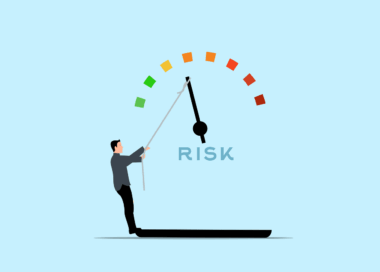

How Insurance Affects Risk Mitigation Expenses
Insurance plays a crucial role in risk management, particularly by influencing the costs associated with risk mitigation. Organizations often face various risks that can adversely affect their finances, reputation, and operational abilities. Insurance not only acts as a safety net but also significantly alters the financial landscape of handling these risks. By transferring risk from the company to the insurance provider, businesses can effectively reduce the financial burden associated with risk mitigation efforts. This transfer allows firms to allocate resources more efficiently and focus on their core activities. However, it is essential to consider various factors influencing insurance premiums, such as the nature of the business, the perceived risk, and historical claims data. These factors contribute to determining the pricing of insurance policies and, subsequently, the investment a company can make in risk mitigation strategies. A well-structured insurance policy can significantly lower potential losses while ensuring that businesses remain financially stable and capable of managing unforeseen events. In conclusion, the interplay between insurance and risk mitigation expenses is complex yet vital for organizational resilience.
Effective risk mitigation is paramount for businesses aiming to safeguard their assets against potential threats. The costs of implementing robust risk management strategies can often be significant. Businesses must weigh the costs of insurance against potential losses when incidents occur. Thus, the advantages that insurance brings can simplify total cost analysis for risk mitigation in the long run. Insurance helps organizations develop a culture of risk awareness and prevention, encouraging them to put effective risk mitigation measures in place. Consequently, businesses that are financially secure and knowledgeable relative to their risks typically reduce their overall exposure vulnerability effectively. Companies frequently compare the costs of risk mitigation with insurance to find the optimal strategy. Investing in preventive measures can lower risks, and with insurance backing those mitigations, organizations often find peace of mind knowing that they are covered. Moreover, good risk management practices can result in lower insurance premiums, further enhancing the cost-effectiveness of risk strategies. Additionally, businesses can benefit from consultancy services that insurance companies offer, which provide valuable insights into lowering risk mitigation costs while maximizing coverage.
Designing Comprehensive Risk Management Strategies
Designing comprehensive risk management strategies requires careful consideration of both potential losses and the costs involved in implementing risk mitigation measures. Businesses often face diverse threats that can lead to financial instability, making it crucial to thoroughly assess vulnerabilities. By conducting risk assessments, companies can identify key areas where insurance can assist in reducing risks and protecting assets. Establishing an understanding of the interplay between risk mitigation expenses and insurance coverage options can lead to more informed decisions for investing in risk management strategies. As organizations develop these strategies, it is vital to ensure that they account for industry-specific risks and optimal coverage. Furthermore, incorporating employees in risk management planning can foster a proactive risk culture within the organization. Additional training can enhance risk awareness among staff members and decrease the likelihood of incidents. This integrated approach helps organizations align their insurance plans with their strategic risk management goals. By reflecting on the resulting data from risk assessments, organizations can tailor their insurance coverage to support and enhance their risk mitigation strategies moving forward.
Insurance providers frequently encourage businesses to adopt comprehensive risk management frameworks. This collaboration fosters a proactive approach, allowing companies to minimize potential losses while managing insurance costs. Insurance does not solely provide coverage for past incidents; instead, it incentivizes companies to prioritize safety and preventive measures. Therefore, successfully implementing risk mitigation strategies can lead to convincing reductions in premiums, reflecting insurance companies’ value on reduced risk. Companies should consider various aspects when negotiating insurance policies to ensure they receive appropriate coverage while understanding expense impacts. A solid understanding of risk assessment results can facilitate better negotiations, allowing organizations to create favorable agreements with insurance providers. Additionally, establishing a relationship with insurance agents can result in invaluable expert advice on risk management trends and best practices. As both insurance and risk mitigation evolve, companies must be prepared to adapt and incorporate innovative techniques, leveraging technology and data analysis. Regularly reviewing and updating insurance policies ensures continuous alignment between current needs and risk management objectives, enabling organizations to maintain resilience against future risks with controlled expenses.
Evaluating Claims and Their Impact on Costs
Understanding the claims process involved in managing insurance can offer vital insights into the overall effects on risk mitigation expenses. After a claim is submitted, the method followed by the insurance company directly influences a business’s financial standing. The number of claims that a company files may also point to underlying issues within the organizational risk culture. Consistent patterns in claims may lead insurers to perceive the drug company as a high-risk client, resulting in increased premiums. By actively engaging with insurance analysts, companies can identify potential weaknesses in their risk management strategies and enhance mitigation measures further. Legal considerations also come into play, as disputes may arise over claims and affect overall expenditures. Efficient resolution of these disputes is essential for maintaining a company’s cash flow. Hence, analyzing the claims process, organizations can continually refine their risk mitigation strategies and adapt to changing market dynamics. A focus on accountability and performance improvements will enable companies to bolster their defenses against future risks, resulting in minimized costs over time, ultimately leading to a favorable business outlook.
Creating a strategy that synergizes insurance coverage with effective risk mitigation allows businesses to enhance operational efficiency and financial stability. Taking advantage of specialized insurance products can yield substantial long-term cost savings while ensuring resilient protection against potential threats. Various types of insurance, such as liability coverage and property insurance, provide businesses with the necessary safeguards for everyday operations. Furthermore, utilizing catastrophic insurance aids organizations in preparing for significant unexpected events, ensuring their survival after damages. Understanding the regional and industry-specific hazards is crucial for designing tailored insurance solutions that complement risk management initiatives. Employee involvement and training play pivotal roles in this regard, enhancing recognition of these risks across all organizational levels. Internal risk communication promotes a vigilant culture and encourages reporting uncertain situations. Business leaders must continually engage in discussions with insurance providers to remain informed about the evolving landscape of risk management and coverage options. Demystifying how different policies impact mitigation expenses builds trust and transparency, allowing for more effective decision-making for risk management options, ultimately safeguarding the organization’s future.
Conclusion: The Balance Between Insurance and Risk Management
In conclusion, understanding the relationship between how insurance affects risk mitigation expenses is crucial for achieving organizational resilience. Balancing insurance costs with effective risk management practices will ultimately lead to financial stability and security for businesses. Companies must remain vigilant and proactive in evaluating their risk exposure while leveraging the advantages that insurance offers. This tailored approach to risk management will ensure businesses are prepared for the unexpected while optimizing their expenditures. Businesses that embrace innovative risk management strategies can unlock additional value from their insurance policies, often resulting in lower premium costs. Ongoing evaluation of risk assessment results will enable companies to stay ahead of market trends and refine their insurance plans accordingly. The importance of collaboration between risk management teams and insurance providers cannot be overstated, as it fosters a culture of protection and prevention. This understanding lays the groundwork for growth and success, encouraging organizations to thrive despite challenges. Ultimately, organizations equipped with robust risk mitigation strategies and comprehensive insurance coverage are better positioned to navigate uncertainties, ensuring their long-term viability.
Insurance plays a crucial role in risk management, particularly by influencing the costs associated with risk mitigation. Organizations often face various risks that can adversely affect their finances, reputation, and operational abilities. Insurance not only acts as a safety net but also significantly alters the financial landscape of handling these risks. By transferring risk from the company to the insurance provider, businesses can effectively reduce the financial burden associated with risk mitigation efforts. This transfer allows firms to allocate resources more efficiently and focus on their core activities. However, it is essential to consider various factors influencing insurance premiums, such as the nature of the business, the perceived risk, and historical claims data. These factors contribute to determining the pricing of insurance policies and, subsequently, the investment a company can make in risk mitigation strategies. A well-structured insurance policy can significantly lower potential losses while ensuring that businesses remain financially stable and capable of managing unforeseen events. In conclusion, the interplay between insurance and risk mitigation expenses is complex yet vital for organizational resilience.