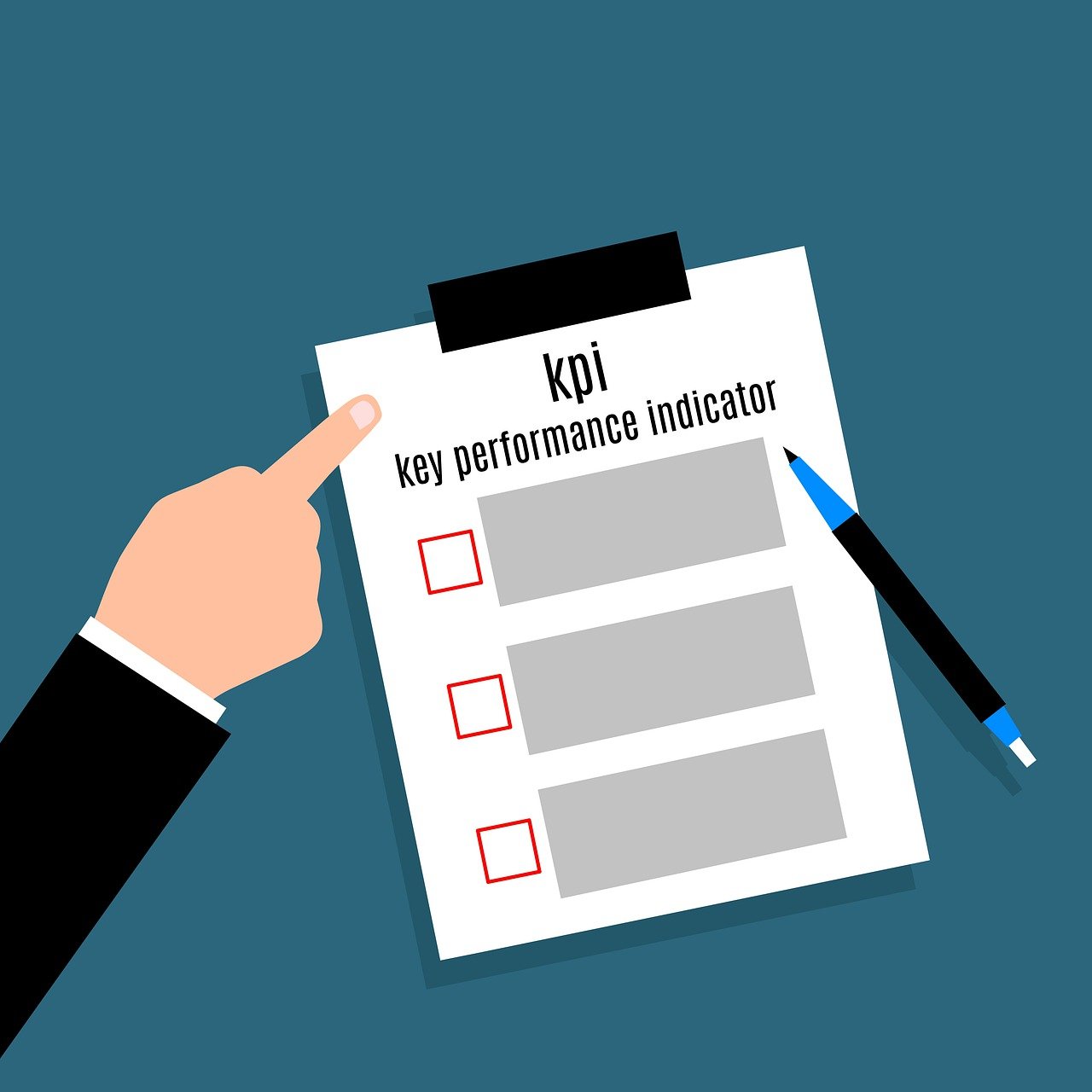

Key Elements of Successful Performance Improvement Strategies
Successful performance improvement strategies depend on several key elements that help ensure their effectiveness and sustainability. Firstly, clear objectives must be established, providing teams with tangible targets to reach. These objectives should align with the overall goals of the organization, promoting unified effort and direction. Furthermore, involving employees in the goal-setting process can increase motivation and ownership of the outcomes. Another crucial element involves regularly assessing progress towards these objectives, using both qualitative and quantitative methods. Performance metrics should be clearly defined to measure success accurately. Additionally, feedback plays a significant role; open channels of communication can facilitate this, allowing employees to receive constructive insights on their performance. This dialogue should be ongoing, rather than limited to formal evaluations. Importantly, supportive leadership is critical in fostering an environment where improvement is encouraged. Leaders should model behaviors that promote growth, provide necessary resources for development, and celebrate successes. Finally, organizations must be willing to adapt strategies based on findings from the data, ensuring that improvement remains a dynamic and responsive process.
Having discussed the fundamentals, it is also vital to create a culture conducive to performance improvement. A culture that embraces change and innovation allows organizations to thrive in competitive environments. This culture should prioritize learning, where mistakes are viewed as opportunities for development rather than failures. By fostering psychological safety, employees feel empowered to take risks and express their ideas without fear of retribution. Regular training programs can be an effective way to cultivate this culture, equipping employees with skills and knowledge necessary to improve their performance. Furthermore, organizations should actively encourage collaboration among teams, as diverse perspectives often lead to enhanced creativity and problem-solving. It is equally essential for the strategy to include recognition and rewards for contributions towards performance improvements. Recognizing individual and team efforts helps to build morale and motivation, reinforcing desired behaviors. Additionally, utilizing technology can enhance performance management practices. Tools such as performance management software can streamline processes, making it easier for everyone to track progress and insights. Overall, creating this positive environment will motivate all employees to strive for excellence and exceed performance expectations.
Moreover, consistent reviews and recalibration of performance improvement plans ensure that they remain relevant and effective. Regularly scheduled reflections on strategies allow organizations to evaluate their approaches. During these reviews, it is essential to gather input from all stakeholders to gain a comprehensive understanding of what is working and what is not. An iterative process can help identify areas needing adjustment, enabling proactive solutions rather than reactive measures. Establishing regular feedback loops ensures that adjustments are timely, aligning actions with the strategic goals of the organization. Additionally, action plans, comprised of realistic timelines and accountability measures, provide structure to these processes. These plans should outline specific steps that individuals and teams need to take, including resources required to achieve their goals. Revisiting these action plans periodically allows teams to stay aligned and focused, fostering accountability. Moreover, tracking performance on a continuous basis creates a sense of urgency and ownership among employees. This ongoing evaluation is beneficial for identifying trends over time and understanding long-term progress towards performance goals, ultimately leading to sustained organizational success.
Effective Communication Strategies
Effective communication is the backbone of any performance improvement strategy. The methods by which organizations communicate their goals and feedback significantly impact the understanding and prioritization of these objectives by employees. Clear, concise communication that lays out expectations ensures that everyone involved is on the same page regarding desired outcomes. Regular updates and open discussions about progress toward performance goals bolster transparency and community. Utilizing diverse communication channels, such as team meetings, emails, or collaboration tools, can accommodate different preferences among employees, thereby enhancing engagement. Furthermore, fostering two-way communication is crucial. Leaders must encourage employees to voice concerns, share feedback, and propose solutions. This inclusion not only aids in gathering diverse insights but also enhances employees’ sense of belonging and purpose. Training managers in effective communication skills can further solidify these efforts, ensuring that messages are delivered positively and constructively. Utilizing visual aids and reports can complement verbal communication, helping clarify complex ideas. Additionally, celebrating milestones with the team can create a sense of shared accomplishment and motivate further progress. Ultimately, effective communication creates a harmonious work environment conducive to performance improvement.
To support the aforementioned strategies, an emphasis on continuous development is crucial. Organizations should invest in programs that focus on building both hard and soft skills among employees. Workshops, mentorship programs, and online courses can greatly enhance employees’ capacities to perform at their best. Personalized development plans should be established that align with individual career aspirations and organizational needs. This alignment ensures that employees see the relevance in pursuing development, as it directly relates to their performance improvement. Additionally, promoting a growth mindset through training and resources helps employees appreciate the value of continuous learning. Providing tools and resources for self-improvement encourages autonomy and responsibility among team members. Furthermore, ongoing coaching and mentoring initiatives can sustain this growth mindset over time. Regular check-ins with managers can provide opportunities to discuss development needs and progress, enhancing accountability. With employees empowered through continuous development, they are more likely to contribute positively towards performance enhancements. This focus on personal and professional growth drives the overall performance improvement goals of the organization and nurtures a culture of excellence.
Leveraging Technology for Performance Improvement
A key aspect of successful performance improvement strategies lies in leveraging the right technology. Integrating performance management software streamlines data collection and analysis, reducing the manual effort associated with these processes. As a result, performance metrics become readily accessible, allowing managers to identify areas that require intervention. Additionally, these technologies often come with built-in analytic tools that provide insights into employee performance trends. This data-driven approach enables informed decision-making for performance interventions. Furthermore, virtual communication tools can facilitate real-time interactions and feedback, fostering a culture of continuous improvement. Organizations can also benefit from employee engagement platforms that allow for anonymous feedback, enabling employees to share insights effectively. Such feedback mechanisms can identify potential issues before they escalate, aligning team objectives with organizational goals seamlessly. Using mobile solutions further promotes flexibility, allowing employees to receive updates and feedback anytime, anywhere. By automating routine tasks, technology frees up time for managers to focus on strategizing improvement initiatives. Ultimately, embracing technology not only enhances efficiency but also positions organizations to adapt quickly to changes in performance management needs.
Lastly, fostering a robust support mechanism plays a pivotal role in the success of performance improvement plans. Support structures include resources, tools, and personnel dedicated to assisting employees in achieving their performance goals. Leaders must prioritize creating an environment where employees feel comfortable seeking help and guidance. Whether through dedicated coaching sessions, peer support groups, or one-on-one mentoring options, such resources can significantly boost productivity and morale. Additionally, organizations should ensure access to performance management platforms that provide users with necessary resources for self-evaluation. Regularly offering workshops or training programs on relevant topics can further empower employees to take charge of their performance improvement journey. Surveys or feedback sessions can also provide insights into the effectiveness of these support structures, highlighting areas that may require enhancement. Moreover, organizations should cultivate a community that celebrates learning achievements and milestones, making improvements more rewarding. Such recognition not only motivates employees to strive for better performance but also reinforces a culture centered on collective success. In conclusion, a strong support mechanism is essential for sustaining performance improvement initiatives, ultimately driving organizational excellence.