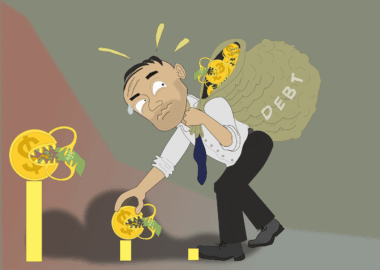

The Impact of Economic Cycles on Loan Servicing
Loan servicing is a critical aspect of the banking and financial services sector. The fluctuations in economic cycles significantly influence it. In an expanding economy, borrowers tend to have a better income ratio, making it easier for them to keep up with loan payments. Loan servicing encompasses managing the loan after it has been disbursed, including payment processing and communication with borrowers. Lenders can see reduced delinquency rates during economic upswings, enabling them to focus more on growth strategies. Conversely, during economic downturns, borrowers may face financial difficulties, leading to higher rates of defaults and delayed payments. This necessitates a more proactive approach by loan servicers to mitigate risk. Strategies such as restructuring loans or offering deferments become essential at this time. Understanding these economic indicators helps lenders adapt their servicing models, ensuring they remain competitive while supporting borrowers. Furthermore, the impact on employment rates and consumer confidence also directly correlates to loan performance. These factors compel loan service providers to continually adapt to the prevailing economic landscape, ensuring sustainability and responsibility in lending.
Strategies become vital in understanding loan servicing’s conformity during economic shifts. As the economy fluctuates, lenders often reassess their strategies based on regional economic health. Market conditions affect borrower behavior, necessitating adjustments in how loans are administered. For instance, when consumer confidence is low, borrowers may request modifications to their mortgage terms, prompting servicers to consider various flexible options. These may include interest rate adjustments or the ability to skip payments for a defined period. By adopting more consumer-friendly policies, lenders can maintain positive relationships with their clients, which is crucial in a competitive market. Further, technology plays a role in enhancing efficiency during these times. Utilizing specialized software can streamline the loan modification process, allowing for quicker responses to borrower needs. Additionally, data analytics can provide insights into which areas or demographics are experiencing the most stress, allowing servicers to allocate resources effectively. This proactive approach in monitoring local economic conditions enhances the long-term stability of lending institutions, creating a resilient loan servicing model that can adapt and thrive regardless of economic realities.
Impact of Interest Rates on Loan Servicing
Interest rate changes are a vital factor in the economic cycles, heavily influencing loan servicing dynamics. When the economy is strong, lenders often increase interest rates to capitalize on the favorable conditions. Increased rates can lead to higher monthly payments, impacting a borrower’s ability to stay current with loan payments. Loan servicers must prepare for the consequences of rising rates, as they can contribute to an increase in defaults. On the flip side, lowering interest rates, typically seen during economic downturns, can stimulate borrowing and refinancing activity, positively affecting loan servicing. Servicers experience heightened demand for modification services as borrowers look for relief in lower payments. Moreover, with adjustable-rate mortgages gaining popularity, servicers face the challenge of managing the changing payment schedules resulting from fluctuating rates. This requires flexible communication strategies to inform borrowers promptly about their loan terms. As a result, servicing models must adapt swiftly to these changes, maintaining a seamless experience for borrowers while also safeguarding the lender’s interests, ensuring the overall success of the loan portfolio during varying economic climates.
This relationship between economic cycles and loan servicing extends to the aspect of compliance as well. Regulatory impacts often shift alongside economic conditions, pressing lenders to adjust their loan servicing practices to comply with new rules and standards. In a booming economy, regulations might tighten to prevent overheating or unfounded lending practices, demanding that servicers implement enhanced verification processes. Conversely, during a recession, there may be a push for regulatory relaxation to stimulate lending and economic activity. Understanding these regulatory dynamics is essential for loan servicers to effectively navigate the complexities without compromising compliance. In addition, training for staff in regard to the latest compliance measures becomes vital. Ensuring that all employees are aware of the current regulations impacts the loan servicer’s ability to manage risk effectively. As a result, continuous education and policy updates should be prevalent within organizations that handle loan servicing. Establishing a strong compliance culture involves engagement at all levels and ensures that loan servicing can endure economic fluctuations while also meeting regulatory requirements efficiently and effectively.
Borrower Education and Support
Educating borrowers is an important aspect of loan servicing that plays a significant role during economic cycles. During economic growth, borrowers may become complacent about understanding the full terms of their loans, leading to potential difficulties when conditions change. Loan servicers can combat this by providing tools and resources to help educate clients about their loans proactively. This includes offering workshops or online resources that explain loan terms, interest rates, and their impact on monthly payments. Additionally, servicers should be readily available for one-on-one consultations when a difficult financial situation arises. Open communication enables servicers to tailor solutions like forbearance or payment plans to meet borrower needs. Empowering borrowers with knowledge fosters a positive relationship and reduces the stress they may experience during challenging times. Furthermore, a well-informed borrower is less likely to default, benefiting both the lender and the borrower. Implementing robust educational programs not only promotes financial literacy but also enhances the overall loan servicing experience, making it a win-win for all parties involved across different economic cycles.
Customer service also significantly influences loan servicing during various economic cycles. As sentiment wavers due to economic uncertainty, borrowers may have growing concerns about their financial obligations and the loan process. Loan servicers have the opportunity to distinguish themselves from competitors by offering exceptional customer service and support. Prompt responses to inquiries, empathetic communication, and effective problem resolution can help alleviate borrower anxieties. Establishing a dedicated support team trained in handling sensitive financial issues is crucial. By allowing borrowers to express their concerns, servicers can better understand their individual situations and tailor support accordingly. As stressed borrowers navigate challenging times, knowing they have a reliable point of contact who understands their concerns is invaluable. Furthermore, it fosters loyalty and trust in the servicer, which can lead to a long-term relationship rather than merely a transactional interaction. In summary, prioritizing customer service enhances the loan servicing experience and dedicates support when it is most needed, further stabilizing relationships during fluctuating economic conditions.
The Future of Loan Servicing Amid Economic Changes
Looking forward, the future of loan servicing must consider the evolving nature of economic cycles and how technology will shape the landscape. The rise of artificial intelligence and machine learning is poised to transform how loan servicers manage borrower relationships and processes. By automating repetitive tasks, servicers can focus on developing personalized experiences for borrowers, particularly during challenging economic climates. Embracing technology will allow lenders to improve risk assessment processes, providing perceivably better rates and terms for borrowers as they navigate financial uncertainties. Moreover, data analytics can assist servicers in gaining insights into borrower behaviors, preferences, and payment patterns, which will help in predicting future trends. This proactive approach also enables servicers to deploy targeted strategies that address maintenance or compliance needs promptly. As economic cycles continue to fluctuate, adopting innovative practices not only boosts efficiency but enhances the overall borrower experience significantly. By preparing for changes in borrower expectations and industry standards, loan servicing can evolve to meet the diverse needs of clients in an ever-changing economic landscape, ultimately sustaining both servicers and borrowers.
In conclusion, understanding the impact of economic cycles on loan servicing is crucial for stakeholders in the banking and financial services sector. By recognizing how economic conditions affect borrower behavior, interest rates, and compliance, organizations can optimize their strategies for effective loan management. Continuous education, exceptional customer service, and proactive communication foster strong relationships, crucial during economic downturns. As the landscape evolves, embracing technology and innovation will enable loan servicers to remain competitive while ensuring that they cater to changing borrower needs. Furthermore, keeping abreast of regulatory changes and preparing for shifts in borrower sentiment will safeguard long-term stability within the loan servicing domain. The challenges presented by economic cycles require a multifaceted approach, combining industry insights, financial knowledge, and compassionate customer service. By addressing these factors holistically, loan servicers can navigate economic fluctuations effectively, facilitating successful outcomes for both themselves and their borrowers, while contributing to the overall health of the financial ecosystem as a whole.