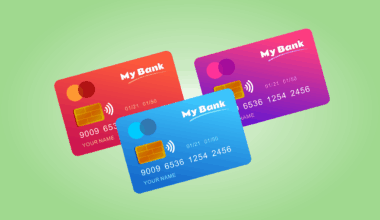

Digital Wallets: An Overview
Digital wallets represent a significant shift in the way consumers and businesses manage transactions. Acting as virtual containers, they allow users to store various payment information securely and make purchases online or in-store using their mobile devices. Over the last decade, the proliferation of smartphones has accelerated the adoption of digital wallets across diverse demographics. Consumers appreciate their ability to replace traditional physical wallets with a more convenient and often safer alternative. Various companies, both large and small, have entered the digital wallet space, introducing innovative features to entice users. Some popular digital wallet solutions include Apple Pay, Google Pay, and PayPal, each offering unique functionalities. These platforms prioritize security and user privacy, implementing measures such as tokenization and biometric authentication. As digital wallets evolve, they’re becoming integral to broader financial ecosystems, allowing easy integration with other financial services. This integration helps promote seamless transactions, improving user experiences significantly. Furthermore, traditional banks are collaborating with FinTech companies, enabling them to offer digital wallet solutions that align with modern consumer expectations. Consequently, digital wallets streamline the payment process and pave the way for the future of finance.
Impact on Financial Ecosystems
Digital wallets are transforming the broader financial ecosystems in several meaningful ways. With their rise, companies are increasingly working to integrate these tools into their operations, creating interconnected financial environments. This interconnectedness allows businesses to provide enhanced services, such as real-time transactions and instant settlements, significantly accelerating cash flow. Furthermore, partnerships between banks and FinTech companies have exploded, allowing for a wider adoption of these wallets and increasing their overall efficiency. As digital wallets provide valuable user data, companies can refine customer targeting and develop personalized offerings. Financial institutions can also leverage this information for better risk assessment and fraud prevention, ultimately creating a safer and more efficient financial landscape. The integration of digital wallets encourages seamless participation in digital commerce. It has also prompted traditional businesses to innovate their payment strategies. Accessibility to mobile wallets allows smaller merchants to compete with larger companies that can offer more traditional payment methods. In this increasingly digital world, the shift towards digital wallets signifies a pivotal move towards more inclusive and diverse financial ecosystems that cater to all segments of society.
The user experience within digital wallets is crucial for their widespread adoption and effectiveness. Many wallet providers focus on creating intuitive interfaces that simplify navigation for users. As digital wallets evolve, the emphasis on enhancing the customer experience is paramount. User-friendly designs promote higher engagement rates and encourage consumer loyalty across platforms. Features such as in-wallet purchases, loyalty rewards, and transaction history tracking are all designed to keep users returning. Furthermore, personalization in digital wallets strengthens engagement, allowing users to customize their interfaces and experiences. Incorporating features like spending insights and budgeting tools can help users become more financially educated and aware. By offering educational resources within the wallet, providers can elevate user satisfaction and trust. In addition, seamless integration with various merchants and service providers adds value to these wallets, making them indispensable for users. Wallet providers investing in technology that reduces transaction friction will likely see increases in usage. As more consumers adopt mobile payments, businesses that recognize the importance of enhancing user experience within financial technology will benefit significantly in today’s fast-paced digital world.
Security Considerations
Security is a primary concern for users when dealing with digital wallets and financial transactions. To address this, digital wallets implement various security measures. Techniques like end-to-end encryption are commonplace, ensuring that sensitive data remains protected during transmission. Authentication methods such as biometrics and two-factor authentication serve as additional safeguards for user accounts, adding layers of security. However, despite these precautions, users must remain vigilant and informed about potential risks associated with digital wallets. Educating users about phishing schemes and other scams can dramatically enhance their safety. Wallet providers often include educational resources to inform users about secure practices, helping them protect their financial information actively. The burgeoning FinTech landscape presents unique security challenges, as every advancement in technology risk is a constant consideration. Consequently, continuous improvements in security technologies are paramount for maintaining user trust. This is particularly true as financial ecosystems become increasingly reliant on secure digital transactions. User confidence hinges on knowing that their data is safe and transactions are secure. Overall, improvements made in wallet security contribute substantially to establishing a robust and trustworthy economic environment.
The integration of digital wallets within global economies is significant, driving innovation and access across diverse markets. By enabling quick, borderless transactions, digital wallets create opportunities for businesses to expand their reach and engage with international customers. This global connectivity promotes economic growth through increased trade opportunities and opens doors for small to medium-sized enterprises. Digital wallets accommodate various currencies, making cross-border transactions simpler and more accessible. Additionally, financial technology is addressing the unique challenges of unbanked populations, allowing them to access financial services previously unavailable. In many developing regions, mobile payment solutions provide an accessible alternative to traditional banking systems. These innovations are pivotal in enhancing financial inclusion while promoting economic empowerment. Digital wallets are fostering the development of new financial services that cater to varying consumer needs, driving competition and better offerings within the ecosystem. Moreover, they enable seamless payment integrations for various sectors, including e-commerce, retail, and travel. The ability to transact easily and securely encourages consumer spending and drives overall economic activity, establishing digital wallets as vital components of financial ecosystems in the modern economy.
Various industries are experiencing considerable shifts as digital wallets become increasingly prevalent, reshaping traditional business models. Retailers, for example, have started embracing digital wallets as a means to reduce transaction costs and enhance customer experience. Moreover, loyalty programs and rewards systems are being integrated more seamlessly with digital wallets, incentivizing user engagement and repeat purchases. By using digital wallets, businesses can encourage customers to shop more regularly, tapping into the data analytics these platforms provide. This allows retailers to better understand customer preferences and habits, leading to improved inventory management and marketing strategies. Similarly, the travel and hospitality industry has rapidly adopted digital wallets, enabling travelers to make secure and convenient payments while on the go. Such platforms can streamline payment processing and minimize waiting times, thus enhancing customer satisfaction. Furthermore, the integration of digital wallets into transportation services provides efficient and cashless commuting options. As a result, industries across various sectors are realizing the advantages of adopting digital wallet solutions, leading to improved operational efficiency and customer satisfaction. This widespread embrace of digital wallets significantly alters the landscape of contemporary business operations.
The Future of Digital Wallets
Looking ahead, the future of digital wallets appears promising, driven by innovations in technology and evolving consumer preferences. As organizations continue to explore unique applications of digital wallets, we can expect to see greater integration with emerging technologies such as artificial intelligence (AI) and machine learning. These advancements may lead to enhanced functionalities, such as predictive spending analysis and automatic budgeting assistance directly within wallets. Additionally, the continuous evolution of blockchain technology is likely to impact the way digital wallets operate, paving the way for more secure and transparent transactions. The payment landscape will likely benefit from increased regulatory frameworks that ensure security and consumer protection. As more consumers gravitate towards digital solutions, financial institutions and tech companies must invest in better user experiences to maintain competitiveness. Partnerships will continue to emerge, enabling innovative offerings tailored to the unique requirements of consumers. The acceleration of contactless payments will drive the demand for more robust digital wallets. Ultimately, the combination of consumer needs, technological advancements, and regulatory oversight will shape the exciting future of digital wallets within the financial ecosystems of tomorrow.