
Building Credit from Scratch: Impact on Interest Rates
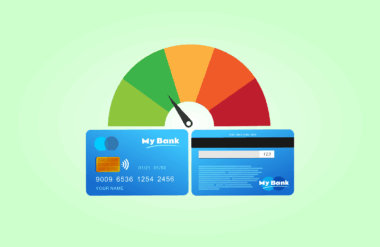
Building credit from scratch can be a daunting task, especially when considering the impact on interest rates. Your credit score plays a crucial role in determining the interest rates lenders will offer you. A good credit score can lead to significantly lower interest costs on loans and credit cards. Conversely, a poor credit score can result in high interest rates, making borrowing more expensive. It’s essential to understand the different factors influencing credit scores, such as payment history, credit utilization, the length of credit history, and types of credit. Each of these elements contributes to a comprehensive assessment of your creditworthiness. If you’re starting with no credit history, consider taking small steps to build it gradually. Start with a secured credit card or a credit-building loan, and ensure that you make timely payments. Over time, responsible credit management can improve your score, ultimately leading to more favorable interest rates. As you make progress, monitor your credit reports for accuracy and discrepancies. Understanding your credit situation will empower you to make informed decisions regarding loans and credit as you establish your financial future.
As you continue to develop your credit profile from scratch, it is vital to recognize how specific behaviors can positively influence your credit score. Regularly paying your bills on time, for instance, is one of the most influential actions you can take. Late payments can severely damage your credit score and, consequently, increase the interest rates on any loans you may seek. Additionally, keeping your credit utilization ratio low is equally important. This ratio refers to the amount of credit you are using compared to your available credit limit. Ideally, you should aim to keep this ratio below 30%. This demonstrates to lenders that you can manage credit responsibly, which can improve your credit history and score significantly. Another critical aspect is the mix of credit you have. Having a good mix of installment loans, such as student loans or auto loans, along with credit cards shows lenders that you can handle various types of debt. Alongside these strategies, remember to check your credit report regularly for any errors that may affect your score.
The Long-Term Benefits of Good Credit
The long-term benefits of establishing good credit cannot be overstated, especially regarding loan interest rates. A solid credit score leads to better financing options, which can save you thousands of dollars over time. For example, a higher credit score might qualify you for a lower mortgage rate, dramatically affecting your monthly payments and the total interest paid over the life of the loan. Furthermore, many rental companies and landlords now check credit scores. A strong score can increase your chances of securing your desired rental home, sometimes leading to lower deposit requirements during the leasing process. Keep in mind that the journey to building good credit can take time and consistent effort. However, the rewards are substantial. As you continue to cultivate positive financial habits, such as budgeting and maintaining low debt levels, your credit score will reflect these efforts. Regularly reviewing and understanding your credit history will enable you to make better borrowing decisions, ultimately influencing your future financial opportunities.
Those who are beginning their credit-building journey should also recognize the various resources available for support. Many financial institutions offer tools and resources designed to help individuals understand and improve their credit scores. For instance, credit score simulators allow users to see how certain actions may affect their scores. Additionally, some banks provide free access to credit scores when account holders maintain a checking or savings account. Moreover, numerous online platforms offer educational content regarding credit management. Websites dedicated to personal finance can help you navigate the complexities of establishing and maintaining a healthy credit score. Taking advantage of these resources not only boosts your knowledge but can also lead to informed decisions that positively impact your financial health. Furthermore, connecting with credit counselors or financial advisors can provide personalized strategies and support for anyone struggling to establish credit. This guidance can prove invaluable in helping you advance your credit profile and achieve lower interest rates over time.
Common Mistakes to Avoid
As you start your credit journey, being aware of common mistakes is crucial to fostering a strong credit history. One significant error to avoid is applying for multiple credit accounts simultaneously. Each application typically results in a hard inquiry on your credit report, which can negatively impact your score. Instead, strategize your applications and only seek credit when necessary. Another misstep often made is neglecting to read the fine print of loan agreements. Understanding terms, including interest rates, fees, and penalty conditions, can prevent unpleasant surprises later. Additionally, some individuals might think they don’t need to monitor their credit; however, this is not the case. Regularly checking your credit report for errors and signs of identity theft is essential. Inaccurate entries can lower your score and increase the interest rates you’re offered. Lastly, maintaining high credit card balances without making payments can seriously affect your credit score. To avoid these pitfalls, utilize responsible credit practices and consistently educate yourself about credit management and building.
In summary, understanding the relationship between credit scores and interest rates is vital for those building credit from scratch. A good credit score means accessing lower interest rates on loans and credit products, ultimately resulting in significant savings. Each step taken towards improving your credit score can impact your financial future positively. Cultivating good habits such as timely payments, low credit utilization, and monitoring your credit report will help establish a robust credit profile. Remember to seek resources that can assist you in this journey and avoid common mistakes that could hinder your credit-building efforts. Building credit from scratch is not an overnight process; it requires patience and perseverance. However, the long-term benefits of a solid credit score cannot be underestimated. As your credit profile improves, you will unlock better financial opportunities, lower interest rates, and potential savings. By following best practices, regularly educating yourself, and maintaining discipline, you can build a bright financial future. Each responsible decision you make strengthens your credit score and enhances your financial standing for years to come.
Conclusion and Next Steps
As you embark on your journey to build credit from scratch, it’s crucial to have a clear plan for improvement. Start by understanding where your current credit stands and what factors influence your score. Utilize tools provided by financial institutions and online resources to continuously educate and improve your credit profile. Ultimately, a solid credit score is your ticket to better interest rates and financial opportunities. By adhering to the principles outlined in this article, you stand to benefit substantially from lower lending costs and increased chances of financial success. Make sure to set short-term and long-term credit goals for yourself to measure progress effectively. In doing so, you’ll empower yourself to make sound financial decisions and attain your desired life goals more easily. As your credit score improves, always keep an eye on your financial habits and be ready to adjust them as circumstances change. The dedication to building good credit from the ground up will serve you well throughout your financial life. Embrace the journey ahead, and know that each small step leads to a more stable financial future.
The importance of sharing knowledge regarding credit scores and their influence on interest rates cannot be overstated. By discussing these topics within your community, you can empower others to make better financial choices early in their lives. Whether it is friends, family, or colleagues, sharing your experiences and information can provide others with valuable insights. Creating awareness around the significance of maintaining good credit and its impact on financial wellness is truly a collective effort. If everyone took time to understand and improve their credit, we could see more individuals qualifying for better interest rates and lower financial burdens. Moreover, encouraging discussions about credit scores can help dismantle some of the stigma surrounding financial difficulties and how they relate to credit management. Knowledge is power, and the more individuals realize the importance of their credit scores, the better positioned they will be to capitalize on opportunities in the financial landscape. Overall, building credit from scratch is about your journey and fostering an informative culture within your community about financial literacy and empowerment.