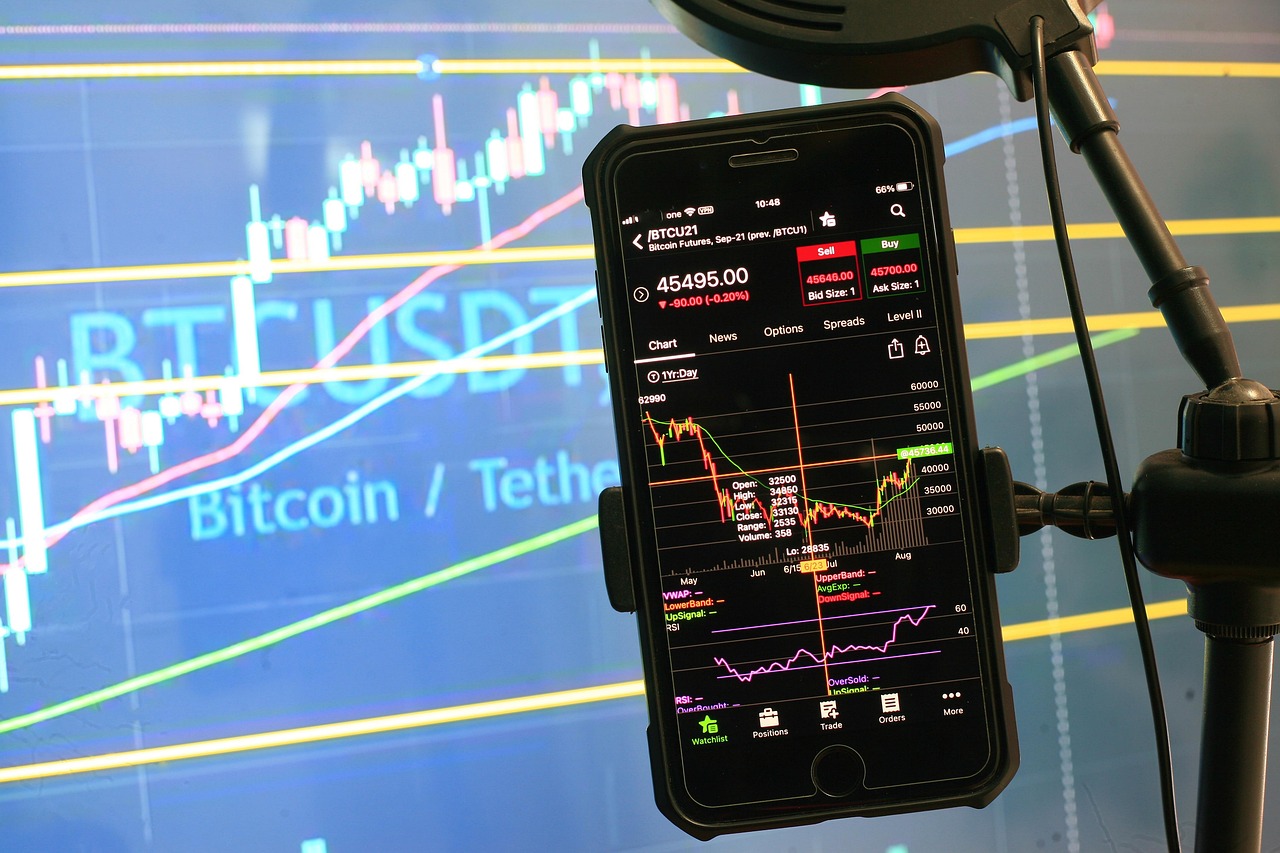

Crypto Market Sentiment Analysis: Tools and Strategies for Traders
The cryptocurrency market is notoriously volatile and heavily influenced by market sentiment. Traders increasingly recognize the importance of understanding collective feelings toward specific cryptocurrencies as these sentiments play a critical role in price fluctuations. Various tools assist traders in gauging market sentiment accurately. Social media platforms like Twitter, Reddit, and specialized cryptocurrency forums provide real-time commentary that reflects traders’ perspectives. Additionally, news aggregators track headlines that can impact market sentiment dramatically. Technical analysis tools, combined with sentiment indicators, allow for a more informed trading strategy. Sentiment indexes, for example, provide a numerical value indicating whether the overall market sentiment is bullish or bearish. This information is crucial in making educated trading decisions. By leveraging sentiment analysis alongside traditional analysis methods such as trendlines and volume indicators, traders can build more robust strategies. The combination of these methodologies can lead to identifying potential price reversals and entry opportunities. Understanding sentiment not only helps predict market movements but also enables traders to assess risk effectively and manage their portfolios prudently. This holistic approach is vital for success in the intricate cryptocurrency landscape.
The role of sentiment analysis tools in the crypto market cannot be overstated. Various platforms, such as Senti.com and CryptoSent, specialize in aggregating sentiment data from multiple sources. They provide visual representations of market moods, employing indicators like fear and greed indexes. These tools help traders understand when the market may be overextending itself in either direction. For instance, a high fear index could signal a potential buying opportunity, while excessive greed might indicate a market correction is on the horizon. Furthermore, integrating these tools with trading software can create alerts when significant sentiment shifts occur. This allows traders to react swiftly to market changes, enhancing their reaction times to unforeseen developments. Alongside sentiment tracking, traders should remain aware of broader economic and regulatory factors influencing the market. Keeping an eye on legislation regarding cryptocurrency can provide context to sentiment fluctuations. Updates from significant regulatory bodies could amplify sentiment shifts, impacting prices dramatically and quickly. Thus, traders should adopt a balanced approach to analyzing sentiment, encompassing time-tested methods while remaining adaptable.
Combining Sentiment with Traditional Analysis
Incorporating sentiment analysis with traditional technical analysis can yield comprehensive insights into market dynamics. Traditional methods focus primarily on price patterns, volume, and historical performance. When these are matched with real-time sentiment analysis, traders can gain a more nuanced understanding of potential market movements. For example, price charts that indicate bullish trends combined with positive sentiment can reinforce a trader’s rationale for entering a position. Conversely, if bullish indicators appear with negative sentiment, it could signal caution. Utilizing a combination of these analyses allows traders to create multifaceted trading strategies. Moreover, sentiment analysis can aid in identifying market anomalies that may not align with price action. As such discrepancies arise, traders might uncover unique trading opportunities that others might overlook, further enhancing market efficiency. The synergistic effect of these approaches enables participants to detail a more accurate narrative of market behavior. Additionally, technology can facilitate this integration by utilizing algorithms that analyze both sentiment and technical indicators simultaneously. By blending these approaches, traders can enhance their strategic depth and improve the probability of successful outcomes.
The psychological aspects of trading also play a vital role in market sentiment. Understanding trader psychology can enhance sentiment analysis, providing deeper insights into potential market reactions. For instance, prevalent emotions such as fear and euphoria often dictate the crypto market’s direction. Traders driven by media hype may overlook the fundamentals, leading to unsustainable price surges. Conversely, negative news can trigger panic selling, sometimes resulting in significant sell-offs. Addressing these psychological elements within sentiment analysis tools can improve predictive power. Tools incorporating psychological components could analyze social media posts or news articles for emotional language, thus providing insights into market sentiment. Further, creating a user-friendly dashboard displaying both sentiment and technical indicators in real time would empower traders to make more informed decisions. Additional insights, such as trader behavior trends, show how past reactions have influenced current sentiment, providing essential context for future predictions. This depth of understanding about trader psychology, combined with tools assessing market sentiment, can enhance a trader’s ability to navigate volatile markets effectively. The interplay between emotions and sentiment remains a crucial factor in developing effective trading strategies.
Importance of Continuous Learning
Continuous learning is fundamental for traders aiming to master sentiment analysis within the cryptocurrency market. Participating in webinars, and workshops, and engaging in online forums can significantly elevate a trader’s knowledge base. Resources such as books focused on market psychology and sentiment analysis strategies provide foundational knowledge while allowing traders to learn from established experts. Moreover, understanding case studies of market movements driven by sentiment shifts can highlight practical applications of theoretical concepts. Additionally, setting up individual trading journals to document personal observations can help identify patterns and enhance cognitive skills related to sentiment analysis. This iterative process promotes active self-reflection, leading to better emotional discipline, which is crucial for trading success. Also, adaptive strategies are essential as market dynamics continually evolve. Traders must remain open-minded and ready to adjust their approaches based on new insights or market developments. With information flowing rapidly in the cryptocurrency sector, the ability to adapt is paramount. Furthermore, joining communities centered on cryptocurrency development can provide real-time insights and discussions surrounding sentiment shifts, contributing to a trader’s growth and adaptability. This commitment to continuous learning ultimately sets successful traders apart.
Lastly, the future of sentiment analysis in cryptocurrencies looks promising, with advancements in artificial intelligence enabling more sophisticated approaches. AI-driven algorithms will increasingly analyze vast amounts of data quickly, detecting nuanced sentiment signals from diverse media outlets. Machine learning techniques allow these systems to improve their predictive accuracy over time as they learn from historical data. As sentiment analysis tools become more reliable, traders will have access to granular insights influencing market behavior. Predictive analytics can aid traders in identifying not just current sentiment but also impending trends, allowing them to preemptively adjust their strategies. Additionally, future developments could lead to integrating sentiment analysis with blockchain technology, automatically verifying information sources to ensure accuracy. By incorporating real-time sentiment analysis into trading platforms, creators can offer traders timely alerts about market changes. This would enhance trader responsiveness and strategy formulation. In conclusion, the intersection of sentiment analysis and technology will shape the future of trading in the cryptocurrency market. Traders must stay updated with these advancements to maintain a competitive edge and successfully navigate through the fluctuations inherent in the crypto landscape.
Conclusion: Navigating the Crypto Market
In summary, sentiment analysis continues to be an invaluable tool for traders navigating the intricate world of cryptocurrency. Through effective sentiment assessment, traders can gain insights into collective market emotions that directly impact price movements. Engaging with various sentiment analysis platforms and combining those insights with traditional techniques enhances a trader’s ability to make informed decisions. The psychological factors influencing trader emotions further underline the necessity of understanding market sentiment. Continuous learning and adaptation remain vital as market conditions evolve rapidly, along with technological advancements. AI’s role in future sentiment analysis will only augment the capacity to predict price movements. By leveraging advanced tools and embracing a mindset geared toward continuous improvement, traders can enhance their likelihood of success in the dynamic crypto market landscape. Building robust strategies incorporating sentiment analyses positions traders better against market volatility. Ultimately, understanding the emotional underpinnings of trading empowers traders to make sound decisions based on insights rather than reactions. The journey into cryptocurrency trading can be fraught with uncertainties, yet those equipped with sentiment intelligence are more likely to thrive.
In conclusion, effectively utilizing sentiment analysis can significantly enhance trading strategies within the cryptocurrency market. Traders must embrace new technologies, continuously adapt, and incorporate both psychological understanding and technical analysis. By doing so, they will not only navigate volatility but also seize opportunities for profitability, ensuring long-term success.