
The Impact of Personality Types on Negotiation Effectiveness
Negotiation is a vital skill that influences both personal and professional interactions. Understanding how personality types affect negotiation styles can lead to improved outcomes. Different personality types approach negotiations uniquely, creating diverse interactions. For instance, an analytical person may focus on data, emphasizing logic during discussions. Conversely, a more emotional personality might prioritize relationships, seeking harmony in the negotiation process. By being aware of these differences, negotiators can adapt their strategies to enhance effectiveness. Recognizing one’s own personality type can provide insights into strengths and weaknesses in negotiations. Similarly, evaluating the personality traits of counterparts offers competitive advantages, allowing for tailor-made approaches. Moreover, personality assessments can help teams collaborate and strategize better. Developing self-awareness about these traits cultivates a more constructive negotiation environment. Embracing these dynamics can transform potential conflicts into collaborative opportunities. Ultimately, mastering negotiation skills requires understanding how personality influences behavior. Effective negotiators leverage their insights into personality types to foster collaboration and improve outcomes.
The five major personality types, based on the Five-Factor Model, have distinct negotiation styles. Understanding these can enhance negotiation effectiveness. The types include openness, conscientiousness, extraversion, agreeableness, and neuroticism. Openness leads to creative solutions, while conscientious individuals focus on preparation and thoroughness. Extraverts often excel in building rapport, promoting better communication during negotiations. Agreeable negotiators prioritize maintaining relationships, making concessions to reach mutually acceptable outcomes. On the other hand, those with high neuroticism may struggle due to anxiety, potentially affecting decision-making. Each type has its strengths and weaknesses, highlighting the importance of adaptability in negotiation scenarios. Combining these strengths can create a more comprehensive negotiation approach, optimizing results. Therefore, identifying personality types can significantly impact the effectiveness of negotiations. Additionally, personality traits can influence communication styles, which are crucial during negotiations. Understanding the preferences of different personality types allows negotiators to choose effective communication strategies. Tailoring messages to suit counterparts can lead to improved rapport and outcomes. Without this understanding, conflicts may arise, and negotiations can become contentious. Thus, a nuanced comprehension of personality types is essential for successful negotiations.
Challenges of Different Styles in Negotiation
Each personality type presents specific challenges in negotiation settings, which can hinder productive discussions. For example, a highly analytical personality may inadvertently come off as disconnected during negotiations, leading to misunderstandings. This detachment could create barriers that prevent consensus-building. Conversely, emotional negotiators might struggle to maintain objectivity, prioritizing feelings over facts. This focus could lead to impulsivity, potentially derailing progress. Agreeable individuals may have difficulty asserting their needs, often conceding excessively for the sake of harmony. Recognizing these tendencies allows for the implementation of strategies to mitigate their impact. Moreover, teams comprising diverse personalities can face internal conflicts stemming from contrasting negotiation styles. Navigating these differences requires effective communication and a willingness to adapt. Encouraging open dialogue among team members can foster understanding and facilitate collaboration. Establishing clear goals ensures that everyone aligns toward a common objective. Therefore, addressing these challenges is pivotal in achieving negotiation effectiveness. Emphasizing team cohesion and respecting diverse viewpoints enhances decision-making processes. By proactively tackling these challenges, negotiators can optimize their strategies, leading to successful outcomes that consider various personality styles.
Additionally, the role of culture cannot be overlooked in the dynamics of personality types and negotiation effectiveness. Cultural background significantly influences negotiation approaches, affecting the interpretation of different personality traits. For instance, in collectivist cultures, agreeable personalities may thrive as relationships are prioritized. Conversely, in individualistic cultures, assertiveness might be valued more, necessitating a different approach for effective negotiations. Understanding cultural dimensions can enhance negotiations, enabling awareness of diverse perspectives. Cross-cultural training can equip negotiators with valuable tools for more effective interactions. Furthermore, blending personality insights with cultural understanding can yield beneficial strategies. Awareness of cultural expectations surrounding personality traits promotes adaptability and flexibility in negotiations. Adapting negotiation styles to suit diverse cultural contexts fosters rapport and mutual respect. Effective negotiators recognize that combining cultural insights with an understanding of personality traits leads to improved outcomes. Therefore, investing time in cultural awareness is essential for successful negotiations in today’s global landscape. Promoting inclusivity and respect for diverse perspectives enhances negotiation skills, empowering negotiators to succeed in various contexts.
Strategies for Enhancing Negotiation Skills
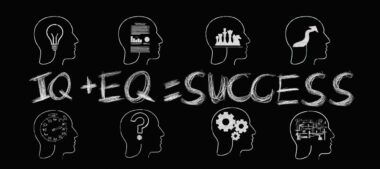
Investing in personal development is crucial for enhancing negotiation skills impacted by different personality types. Engaging in self-reflection can offer invaluable insights into one’s negotiation style and effectiveness. Building skills such as emotional intelligence can significantly improve negotiation outcomes. This involves recognizing emotions in oneself and others, fostering empathy, and enhancing communication skills. Active listening proves indispensable in negotiations, enabling understanding of different perspectives. Practicing this skill allows negotiators to tailor their approaches based on counterparts’ personality styles. Additionally, collaboration techniques can transform traditional competitive negotiations into cooperative endeavors, yielding mutually beneficial results. Negotiators can also benefit from role-playing exercises, simulating various styles to improve adaptability. By stepping into the shoes of opposing personality types, individuals can enhance their flexibility and response strategies. Seeking feedback from peers or mentors brings further insights, helping identify strengths and areas for improvement. Continuous practice and refinement of negotiation skills create a cycle of growth and learning. Thus, making an active commitment to personal development enables negotiators to thrive amid various personality influences.
Emphasizing adaptability is paramount in enhancing negotiation effectiveness, especially when dealing with varied personality types. Recognizing when to pivot one’s style in response to counterpart behavior can facilitate smoother interactions. This adaptability may involve adjusting communication techniques or altering negotiation strategies based on real-time feedback. Furthermore, learning to remain composed during high-stress negotiations is critical. This composure enables negotiators to respond thoughtfully and not merely react based on emotions. By cultivating a strong awareness of one’s instinctual responses, negotiators can better manage their behaviors. In instances where conflicts arise, employing conflict resolution strategies can restore equilibrium. Techniques such as reframing the discussion and identifying shared interests promote a cooperative atmosphere. Remaining open to different solutions fosters a collaborative mindset, even amidst tense negotiations. It’s equally important to develop resilience; negotiations may not always yield desired results. Embracing setbacks as learning opportunities fosters growth and enables continuous improvement. Therefore, harnessing adaptability, emotional resilience, and composure during negotiations ensures higher rates of success across various contexts.
Conclusion on Personality Types Influence
In conclusion, understanding the interplay between personality types and negotiation effectiveness is vital. Different personalities bring unique strengths, challenges, and approaches to negotiation processes. By recognizing and appreciating these differences, negotiators can adjust their strategies accordingly . This adaptability leads to improved communication, enhanced collaboration, and better outcomes in negotiations. Investing in the development of negotiation skills is key to thriving within diverse environments. Facilitating teams with varied personalities to work cohesively promotes deeper insights into negotiation strategies. Moreover, being culturally aware amplifies the impact of personality types, enabling negotiators to be more effective in global settings. Continuous learning through practice, reflection, and feedback fosters adaptability, empowering negotiators to excel. Ultimately, successful negotiation hinges on harnessing the nuances of personality types, ensuring respectful interactions. Emphasizing emotional intelligence, adaptability, and a commitment to understanding the perspectives of others creates a collaborative environment. Thus, the confluence of personality types and effective negotiation strategies shapes the future of productive discussions and fruitful outcomes.
Individuals aiming to improve negotiation effectiveness should consider engaging in workshops focused on personality types and their influence on negotiations. These workshops often provide a platform for participants to explore their negotiation styles. They may include assessments that uncover individual personality traits, with opportunities for role-playing and scenario analyses. These practical applications enhance understanding of theoretical concepts and develop skills in real-world contexts. Furthermore, ongoing practice allows individuals to refine their negotiation techniques and adapt to the dynamics of varying personalities. Building a deeper understanding of oneself, while appreciating others’ differences, fosters mutual respect. Recognizing the strengths of various personality types opens the door to innovative solutions and collaborative negotiations. Attending networking events and discussion forums on negotiation skills encourages continued learning and exposure to diverse perspectives. Additionally, reading literature on negotiation strategies and personality traits supports ongoing development. By integrating these methods, individuals can enhance personal and collective negotiation effectiveness, leading to successful outcomes in various contexts. Ultimately, the intersection of personality types and effective negotiation strategies is an essential area of focus for any individual aiming to excel in negotiation scenarios.