
Tips for Secure Integration of FinTech with Traditional Banks
The integration of FinTech with traditional banks has transformed the financial landscape remarkably. However, with innovation comes the need for stringent security measures to safeguard sensitive data. The first essential step is to establish a thorough understanding of regulatory compliance requirements, which vary by jurisdiction. Financial institutions must closely adhere to guidelines such as the General Data Protection Regulation (GDPR) and the Payment Card Industry Data Security Standard (PCI DSS). When integrating systems, deploying robust encryption methods is vital to protect data at rest and in transit. Regular security audits and vulnerability assessments enable organizations to identify and mitigate potential risks proactively. Additionally, implementing a comprehensive access control strategy ensures that only authorized personnel can access sensitive systems. Utilizing multifactor authentication (MFA) is an effective way to add another layer of security against unauthorized access. When evaluating third-party FinTech service providers, conducting due diligence is paramount. Ensure they adhere to high security standards. Data breach responses should also be outlined clearly within the incident response plan and be practiced regularly. This will help minimize the effects in case of a breach, safeguarding customer data and maintaining trust.
Proper training and awareness programs for employees are also crucial in preventing security lapses. In today’s digital age, human error often poses a significant risk in cybersecurity. Employees should be well-informed about potential threats such as phishing attacks and social engineering tactics. Regular training sessions that simulate these attacks can help build resilience among staff. Additionally, users must be educated on the importance of strong password policies and should be encouraged to utilize password managers. Furthermore, integrating advanced security technologies such as fraud detection systems and real-time monitoring can significantly enhance security posture. Machine learning algorithms can analyze user behavior, flagging any anomalous activities for immediate attention. Another critical area is the secure development of applications; incorporating security practices such as DevSecOps ensures that security is prioritized throughout the app development process. Conducting thorough penetration testing before launching new products also identifies vulnerabilities early. Furthermore, leveraging blockchain technology within FinTech applications can offer an additional layer of security and privacy assurance. Blockchain provides a transparent ledger ensuring data integrity while reducing fraud risk. Establishing partnerships with cybersecurity firms can also provide valuable insights and expertise in navigating the complexities of ensuring secure integration.
Implementing Effective Data Encryption and Access Control
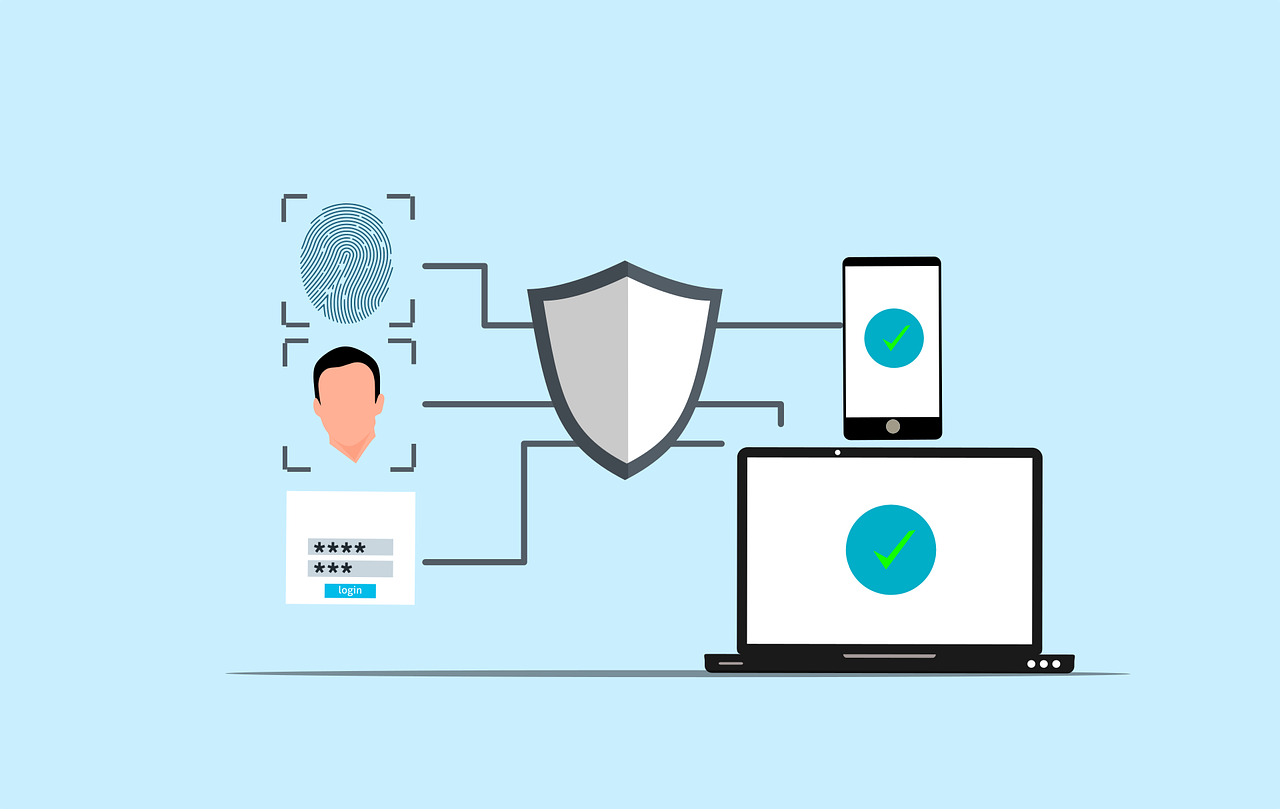
Data encryption plays a pivotal role in securing sensitive financial information. By using advanced encryption protocols such as AES (Advanced Encryption Standard), organizations ensure that even if data falls into the wrong hands, it remains unreadable. It is essential to encrypt data both at rest and in transit to provide comprehensive protection across all platforms. In addition to encryption, organizations must establish stringent access control measures. Access controls ensure only authorized users have access to sensitive information, thereby reducing potential data breaches. Role-based access control (RBAC) is a systematic approach that allows organizations to grant access based on user roles. This minimizes the data exposure to employees who do not require access as part of their job functions. Moreover, periodic reviews of user accesses can help in identifying unused or unnecessary permissions, allowing for a more streamlined security model. Strong authentication methods, including biometric verification and MFA, should be enforced to curb unauthorized access attempts. Combining encryption with robust access control measures fosters a secure environment for data management. Organizations should continually adapt and refine these strategies to counter evolving threats as part of a dynamic security approach.
Securing APIs is another critical aspect when integrating FinTech solutions with banks. Application Programming Interfaces (APIs) often serve as gateways between different systems, making them a target for malicious attacks. Organizations must ensure APIs are secure by implementing strict authentication mechanisms, including OAuth 2.0, which provides token-based authentication for third-party access. Input validation and sanitization are necessary to protect against injection attacks and other vulnerabilities. Furthermore, API traffic monitoring can help detect and respond to unusual activity quickly. Conducting regular security assessments and application testing for APIs is essential to identify potential vulnerabilities before they can be exploited. Another best practice is to adhere to versioning policies for API management, ensuring that deprecated versions are removed to reduce attack surfaces. Organizations should also adopt a strategy for secure API documentation, containing only the necessary information while avoiding exposing sensitive endpoints. Collaboration with tech partners and vendors to promote API security can lead to more robust defense mechanisms. Finally, maintaining comprehensive logging and tracking of API usage helps provide insights into access patterns and serves as a valuable resource for forensic investigations after security incidents.
Regular Security Audits and Risk Management Strategies
Conducting regular security audits within the organization helps identify and mitigate risks proactively. A comprehensive audit involves evaluating infrastructure, systems, and procedures to ensure compliance with best practices and regulations. These audits should cover all areas, from IT systems and networks to third-party vendors and suppliers. Risk management should involve identifying potential threats and vulnerabilities, assessing their impact, and developing actionable plans to mitigate these risks. Financial institutions must periodically update their risk assessments to account for the evolving threat landscape and regulatory changes. Besides audits, organizations should implement a formal incident response plan outlining roles and responsibilities in case of a security breach. Regular drills and assessments of these plans ensure that all team members understand their roles, improving reaction times. Additionally, maintaining backups of critical data and systems provides peace of mind, allowing organizations to recover quickly in a disaster scenario. Investing in cybersecurity insurance can also serve as a safety net against potential financial losses due to breaches. Continuous training and awareness campaigns for employees significantly contribute to building a strong security culture within the organization.
Collaboration between FinTech companies and traditional banks can provide mutual benefits concerning security. By sharing knowledge, banks can gain insights into innovative security practices employed by FinTech. In contrast, FinTech firms can learn from the established risk management frameworks that banks have developed over decades. Regular information exchange about emerging threats and vulnerabilities aligns both parties in their security objectives. Furthermore, collaborations can lead to joint projects focused on enhancing security technologies, pooling resources for research and development actions. Strong partnerships can lead to shared security solutions enabling a united front against fraud and cyber threats. Organizations must establish regular communication channels, ensuring current developments are effectively communicated. Creating a joint task force comprising cybersecurity experts from both sectors can also facilitate faster identification of vulnerabilities and aid in the adaptation of security strategies. The adoption of industry standards and frameworks can simplify collaboration, establishing a common security language and approach. Equal commitment from both sectors is crucial to achieving a secure financial ecosystem that effectively responds to threats and maintains public trust.
Conclusion: Prioritizing Security in FinTech Integrations
In conclusion, ensuring safety within FinTech and traditional bank integrations requires a multifaceted approach. Emphasizing strong security practices at each level of integration is essential to protect customer data, maintain compliance, and foster trust. Organizations must invest in employee training, developing security awareness around emerging threats. Combining encryption, rigorous access controls, and API security strengthens defenses against unauthorized access and data breaches. Regular audits, risk assessments, and collaboration between entities can yield a comprehensive security framework that evolves with the changing landscape. Every stakeholder must remain informed and engaged in cybersecurity best practices to successfully navigate these challenges. The establishment of partnerships, mutual learning, and sharing resources enhances security capabilities. With strategic planning and continuous commitment, financial institutions can incorporate FinTech innovations securely, paving the way for a robust future. Customer confidence in banking services hinges on the ability to safeguard their sensitive information effectively. A unified effort from both FinTech and traditional banks in prioritizing security is fundamental not only for compliance but also for sustained growth in a competitive market. By implementing the discussed best practices, organizations can foster a secure financial environment.
This is another paragraph with exactly 190 words…