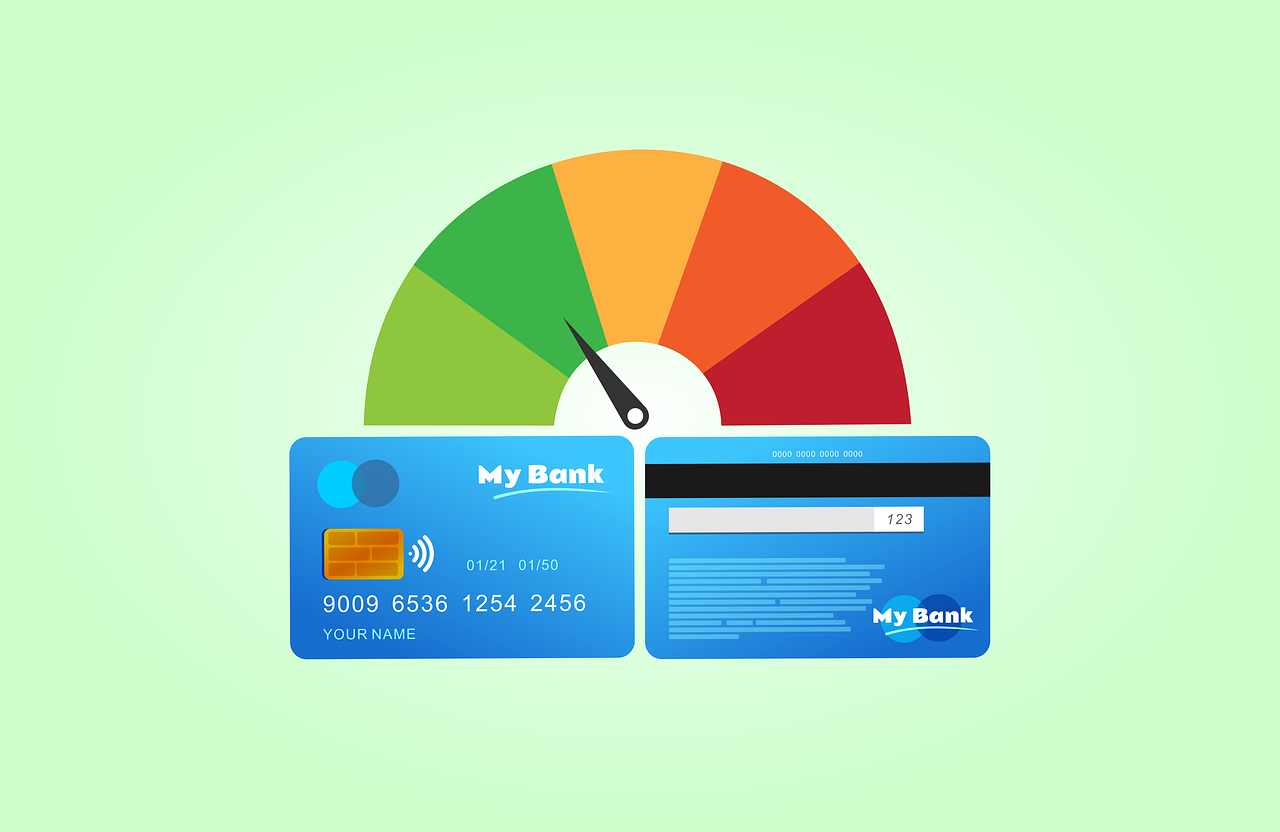

The Advantages and Disadvantages of Co-Branded Credit Cards
Co-branded credit cards are unique financial products linked to a specific retailer or service provider. Their primary advantage lies in the rewards and benefits they can offer cardholders. These cards often provide increased loyalty discounts and unique perks that align with the partner brand. For example, frequent flyers can earn airline miles, and those who shop at specific stores can earn cashback or exclusive discounts. Additionally, the marketing promotional campaigns around these cards can lead to further incentives like bonus rewards after a certain spending threshold. Furthermore, they can foster customer loyalty by encouraging consumers to choose a particular brand over its competitors. However, it is crucial to consider potential drawbacks. Co-branded cards often come with higher interest rates and fees, which can negate some of the benefits earned. Moreover, if cardholders aren’t loyal to the partner brand, they may find less value in the rewards structure. Finally, some partners may dissolve their relationship with the credit card issuer, causing preferences in the rewards program to change unexpectedly or become obsolete for users. Understanding both advantages and disadvantages is essential before committing to one of these financial products.
Benefits of Co-Branded Credit Cards
Among the many compelling benefits of co-branded credit cards, the opportunity for valuable rewards leads the list. Cardholders can receive enhanced perks tied to specific companies, making them more advantageous than traditional cards. For instance, shopping at specific stores may yield significant cashback rates, while frequent travelers could gain far greater flight-related rewards. In addition, special offers often target cardholders with opportunities for bonus points or access to exclusive sales periods. Building rapport between the issuer and the brand further enhances this experience, augmenting the perceived value of the card. Furthermore, the easy online management of transactions linked with frequent purchases strengthens customer satisfaction and convenience. This unique relationship also allows for customized financial products tailored to lifestyle needs, making them attractive for particular consumer groups. Unfortunately, these advantages don’t come without their downsides, such as potentially limited usage of rewards focused on a few merchants. Consumers need to identify whether they truly benefit from using these cards, especially if their purchasing patterns align closely with the affiliated brand. Weighing the pros and cons allows informed decisions about incorporating co-branded credit cards into an overall financial strategy.
Another benefit worth noting about co-branded credit cards is the enhanced promotional offers available to users. Certain cards may allow access to limited-time promotions, exclusive events, or even priority customer service features. These offers can take various forms, such as invitations to member-only sales, discounts on seasonal promotions, or even contests with significant rewards for active cardholders. This kind of promotional advantage can create pride and excitement for consumers, deepening their bond with both the brand and the financial institution that issues the card. However, potential users need to remain vigilant and aware of the potential downsides of co-branded credit cards. Often, these products come with elevated fees, which, if not managed carefully, can negate many of the benefits. For individuals who may be tempted to overspend to achieve rewards, this can be especially problematic. Furthermore, brands can occasionally change their partnerships, which may affect the earn and burn structure of accumulated rewards. Safeguarding against dissatisfaction necessitates a thorough understanding of the yearly fees and rates associated with maintaining these cards, alongside their unique benefits, to ensure effective financial decision-making.
Potential Drawbacks of Co-Branded Credit Cards
While co-branded credit cards can be enticing for many consumers, they do have potential drawbacks that warrant consideration. One primary concern involves the higher annual fees common with these cards compared to standard credit offerings. Cardholders may find themselves paying a premium, which can diminish the perceived value of the rewards and benefits attached to the card. Furthermore, associated high-interest rates for balances not paid in full can be devastating. If unaware of the fees and rates, consumers can quickly find themselves in a financially precarious position. Moreover, rewards redeemable through these cards can become less valuable if a consumer changes their shopping habits or if the brand loses its appeal. The specific nature of co-branded rewards programs can lead to limitations and less flexibility in redeeming points, often leading to missed opportunities for other rewards. Additionally, if partners change or discontinue their agreements, cardholders may face unfortunate shifts in available rewards or entirely lose access altogether. As with any financial product, an informed approach is crucial when assessing the long-term implications associated with co-branded credit cards.
It is also essential to evaluate how co-branded credit cards report to credit bureaus, as they can vary significantly from lender to lender. Cardholders should remain aware that the impact these cards have on credit scores may differ based on utilization rates, overall debt load, and repayment history. Suppose individuals utilize the card fully, often resulting in elevated credit utilization percentages. In that case, this can negatively impact credit scores, possibly affecting future loans and credit opportunities. Additionally, some cards may have lower rates of acceptance outside of brand-related transactions, which can pose challenges during travel or cross-shopping at different retailers. These limitations could hinder the consumer experience and result in frustration. Financial management tools associated with these cards can assist in budget tracking; nevertheless, careful awareness of total expenditure is crucial. Understanding the nuances of credit reporting tied to co-branded cards adds another layer to determining whether these financial products meet specific individual needs or preferences. Users should track their financial health closely alongside the ongoing utilization of co-branded credit cards.
Conclusion on Co-Branded Credit Cards
Ultimately, co-branded credit cards offer attractive benefits alongside notable drawbacks that every consumer should weigh. Understanding this balance is critical for anyone considering applying for these unique financial products. Users can reap significant rewards through cash back, flights, or exclusive offers, enhancing their loyalty to associated brands. However, they must maintain awareness of potential high fees, interest rates, and limited redemption flexibility. To succeed financially while using these cards, cardholders should engage in regular evaluation of their spending habits, ensuring alignment with the card’s rewards structure. Additionally, those who appreciate flexibility may find alternatives that suit their lifestyles better. For frequent shoppers of the partnered brand or consistent flyers, a co-branded credit card might be a compelling option. Yet, for others, traditional rewards credit cards or cash-back cards may be a more prudent choice, leading to potential cost-savings and diversification of redeemable rewards. Ultimately, making informed choices places users in control, enabling them to decide whether a co-branded credit card aligns well with their financial situation and goals for the future.
In summary, co-branded credit cards have become popular, enabling consumers to earn rewards while enhancing brand loyalty. They provide enticing offers like cash back and travel rewards that appeal to many. However, potential users must understand the associated costs, interest rates, and usage limitations. By weighing these factors against their personal financial circumstances, consumers can make the most informed decision regarding whether a co-branded credit card fits into their financial strategy. Maintaining good credit practices ensures that rewards can be enjoyed rather than overshadowed by financial pitfalls. Those who remain diligent in their financial management practices will likely reap substantial benefits from using co-branded credit cards. Importantly, consumers should periodically assess their expense reports and credit card usage to consider necessary changes that reflect their evolving needs as spenders. Whether opting for co-branded offerings or traditional credit cards, educating oneself can ultimately enhance financial wellness. Establishing a clear connection between personal values and credit card rewards can provide significant satisfaction and drive financial growth. Monitoring change over time will enable users to remain agile in adapting their financial strategies to maximize the benefits gained from every credit card associated with their shopping activities.
Overall, co-branded credit cards present an appealing option for customers ready to dive into brand-focused rewards programs. Yet, it’s vital to determine if the benefits outweigh potential pitfalls. Users keen on maximizing rewards through brand partnerships must analyze their purchasing habits carefully. Establishing a personalized approach can lead to better financial outcomes, as individuals seek cards that match their spending patterns. Parsing the details of fees, interest rates, and promotional offers delineates the true cost of ownership. Additionally, remaining vigilant about market trends allows effective navigation through the shifting landscape of credit cards. As consumer preferences evolve, financial institutions will likely adapt their offerings to entice cardholders. Therefore, staying informed and responsive will better serve individuals looking to maintain financial health while enjoying various rewards. Co-branded credit cards ultimately reflect consumer preferences, leading to tailored offerings. By keeping an open dialogue about experiences with these cards, users can contribute to the broader understanding of their viability. Engaging with peers and seeking feedback creates a community which can aid in navigating the sometimes-complex decisions associated with credit card usage. All in all, it is essential to make educated choices that align with one’s financial lifestyle and goals.