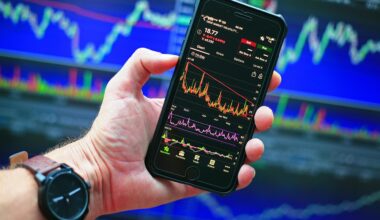

Real-Time Financial Tracking with Budgeting Software
In today’s fast-paced financial landscape, managing your budget effectively is crucial. Budgeting software provides essential features for real-time tracking of expenses and income, helping users stay on top of their financial goals. With sophisticated algorithms, these tools analyze spending patterns and suggest adjustments for better financial health. Users can access various platforms offering budgeting solutions tailored to personal or business needs. Before selecting the right tool, it’s important to consider the specific features that are necessary for your financial tracking needs. Factors such as ease of use, integration capabilities, mobile access, and security features play significant roles in choosing a suitable option. Many budgeting tools come with mobile applications, offering convenience for users who are constantly on the go. This facilitates effective tracking straight from your smartphone or tablet. Additionally, real-time financial monitoring allows users to make immediate adjustments, reducing the chances of overspending. This proactive approach can lead to improved budgeting discipline and better financial decision-making in the long run. Furthermore, effective budgeting software can foster accountability, making it easier to stick to financial commitments.
With the variety of budgeting software available, choosing the best one often becomes challenging. Options range from simple spreadsheets to comprehensive financial management systems that include forecasting and planning tools. Some popular software options provide intuitive user interfaces, making them accessible to users of all skill levels. When considering budgeting software, ensure it offers features such as automatic transaction syncing, expense categorization, and budget alerts. These tools can help simplify daily financial activities, making it easier to maintain control over your finances. Additionally, robust reporting features help users visualize their financial situation, identifying trends and areas for improvement. This analysis often leads to informed decision-making, enabling users to align their spending with their income levels effectively. Cloud-based options enhance accessibility, allowing users to manage their finances from anywhere. Support and community resources can also play important roles in helping users maximize the benefits of their chosen software. Furthermore, trial periods provided by many budgeting tools allow potential users to test functionalities before committing. This ensures users select software that matches their financial management style, thus making budgeting more efficient and enjoyable.
Key Features to Look For in Budgeting Software
When selecting budgeting software, it’s vital to focus on key features that enhance its usability and effectiveness. Look for software that includes automatic syncing with bank accounts, providing real-time tracking of transactions. This feature eliminates the need for endless manual entry, streamlining the tracking process. Additionally, categorizing expenses simplifies understanding spending habits, making it easier to identify areas for adjustment. Alerts and notifications are essential for keeping users informed when approaching budget limits, thus preventing overspending. Another feature worth noting is the report generation capability, which provides insights into spending patterns and helps with long-term planning. Effective budgeting software should also offer integration with other financial tools, such as expense tracking and investment applications. User support is equally important; choose a software option that provides accessible resources, including tutorials and customer service. Lastly, consider the platform accessibility; cloud-based software enables seamless access between devices, ensuring users can manage finances anytime, anywhere. Emphasizing these key features can lead users to choose software that not only meets their needs but also enhances their overall budgeting experience.
Another important consideration when evaluating budgeting tools is their compatibility with various financial platforms. Many budgeting software solutions integrate with popular banking systems, allowing users to pull information automatically, thus saving significant time and effort. This integration facilitates better financial management, enabling users to keep all their critical financial information in one place. Furthermore, verifying that the software has a user-friendly interface can make a significant difference in the overall experience. If users feel overwhelmed by complex designs or navigational challenges, they may not use the tool effectively. Observing user reviews on platforms such as the Google Play Store or Apple App Store can provide valuable insights into usability. User experiences often reveal potential issues with software updates, customer support responses, and feature performance. Additionally, it’s essential to assess whether the software needs a subscription fee or if a one-time purchase is available. Weighing the costs against potential benefits can help users find economical solutions that meet their budgetary needs. By thoroughly reviewing these factors, consumers can ensure they select a budgeting tool that aligns with their financial goals.
Benefits of Using Budgeting Tools
Implementing budgeting software comes with numerous benefits that can vastly improve financial management. One significant advantage is the ability to create customized budgets tailored to individual needs and priorities. This personalization encourages users to engage with their finances, which in turn fosters better financial habits. Budgeting tools also often feature visual representations of financial standings, such as graphs and charts, which enhance understanding and improve retention of crucial information. Moreover, built-in predictions for future expenses help users to prepare and plan better. For example, if users know that a car maintenance cost is anticipated, they can allocate funds accordingly. This forward-thinking approach can prevent last-minute financial strain. Additionally, these tools can foster a sense of accountability; when users see their spending visually, they are more likely to stick to their budgets. Automated tracking of expenses typically alleviates the burden of manual tracking, allowing users to focus on other financial responsibilities. Ultimately, utilizing budgeting software can promote financial well-being, equipping users with the tools and insights they need to succeed financially.
For individuals or businesses looking to enhance their financial situation, incorporating real-time financial tracking with budgeting software is a transformative step. Such tools create a structured environment to manage finances efficiently while encouraging better financial discipline. They enable users to monitor their progress towards financial goals, which serves as motivation to continue making sound financial decisions. This proactive approach allows users to avoid common pitfalls that lead to debt. Furthermore, budgeting software often provides educational resources that can empower users to improve their financial literacy. Through learning about different budgeting strategies and techniques, individuals can make more informed decisions regarding their finances. This education can lead to a stronger understanding of investment opportunities, risk management, and savings strategies. Networking with other users through community engagement platforms also enhances the experience, providing additional support and encouragement. Ultimately, by utilizing budgeting software, users gain a comprehensive toolkit that not only allows real-time tracking but also informs future financial decisions. The combination of knowledge and effective tools sets individuals on a path to financial success, transforming budgeting from a chore into an empowering experience.
Final Thoughts on Financial Tracking
In conclusion, effective budgeting software can revolutionize the way individuals and businesses track their finances in real-time. Users are better equipped to manage their money when they utilize the features and benefits these tools provide. The customizability, accessibility, and integration capabilities of budgeting software ensure that users can tailor their experiences to meet their specific financial needs. It’s essential to stay informed about the latest software developments, as new features are continually being introduced. As financial landscapes change, so too must the budgeting tools we use. Today’s market offers diverse solutions that cater to a wide range of users. Some options include basic expense trackers while others provide comprehensive financial management systems. Finding the right fit is crucial for maximizing the benefits of these tools. By embracing budgeting software, users enhance their ability to make informed financial decisions, helping them achieve their goals effectively. So, whether you’re a seasoned financial planner or just starting out, investing time into finding the right budgeting software can yield significant long-term benefits. Start tracking your finances effectively today!
To visually represent this growing trend, incorporating images and graphics into online resources can also make the information more appealing and engaging for users. Including infographics about budgeting tips or software comparisons can capture attention and convey crucial details quickly. Platforms that prioritize visually appealing content tend to attract more users, which is why it’s essential to make the information accessible and stimulating. Finally, community forums and social media groups provide direct channels for users to share their budgeting experiences and recommend software, contributing to a supportive environment and promoting financial literacy among all users. With the right combination of tools, education, and community support, the journey to financial stability becomes much more manageable. Whether it’s through budgeting software or other resources, achieving financial goals may soon be within everyone’s reach. Using tools to assist in real-time financial tracking offers clarity, control, and empowerment over personal finances. Remember that every small step you take towards better financial management can lead to significant changes in your financial well-being.