
The Impact of Endpoint Security on Financial Device Integrity
In today’s world, endpoint security is crucial for maintaining the integrity of financial devices. These devices include ATMs, point-of-sale systems, and mobile payment apps, which are susceptible to various risks. The rise in cyber threats emphasizes the need for enhanced security protocols. Financial institutions must prioritize protecting sensitive data from potential breaches, which could lead to significant operational disruptions. Implementing robust endpoint security strategies safeguards both the organization’s assets and customer information. This security method includes antivirus software, malware detection, intrusion prevention systems, and encryption techniques designed to protect devices from unauthorized access. Each financial organization needs to assess its vulnerability to threats diligently. One of the key trends in endpoint security is the adoption of behavior-based monitoring, which can identify unusual activities, thereby preventing data loss. Furthermore, educating employees about potential phishing attacks can significantly reduce the likelihood of successful breaches. Additionally, endpoint security not only protects devices but also maintains consumer trust by ensuring their information is secure. Trust is a vital currency in the financial industry, and having strong defenses in place reassures clients about their financial safety.
Challenges Faced in Endpoint Security
Despite the advancements made in endpoint security for financial devices, numerous challenges remain. For one, the rapidly evolving nature of cyber threats necessitates constant updates and advancements in security technology. Likewise, financial organizations struggle to manage varying legacy systems and newer technologies. Many companies use outdated devices that are not equipped to handle modern security threats. As a result, these devices become gateways for cybercriminals to access sensitive data. Moreover, financial institutions often lack the resources needed to continuously monitor and analyze endpoint vulnerabilities. This unpreparedness can result in dire consequences, especially if sensitive customer information is compromised. Another significant challenge in endpoint security is ensuring compliance with regulations such as GDPR and PCI DSS. These regulations impose strict guidelines on how financial data is managed and safeguarded. Non-compliance can lead to hefty fines and loss of reputation. Furthermore, there is the challenge of balancing user convenience and security protocols. Financial organizations must ensure that security measures do not hinder user experiences, as seamless transactions are essential for customer satisfaction. Overcoming these challenges requires a multi-faceted approach that includes technology, training, and user awareness.
Implementing effective endpoint security solutions involves a comprehensive strategy that addresses varied attack surfaces. Financial institutions must ensure all connected devices are secure and actively monitored. Regular security audits can help identify potential vulnerabilities and address them promptly. An effective security protocol includes endpoint detection and response (EDR) solutions, which provide continuous visibility into endpoints. Furthermore, adopting a zero-trust strategy is becoming increasingly common in financial organizations. This approach assumes that every access attempt, whether inside or outside the network, must be verified. By doing so, institutions can maintain a high security standard that significantly mitigates risks associated with compromised devices. Additionally, regular software updates and patch management are vital for safeguarding financial devices. Many breaches occur due to outdated software that is vulnerable to exploitation. Continual employee training on cybersecurity best practices is another essential element. Employees should be aware of common threats such as social engineering, which can undermine even the most robust security measures. Financial institutions that integrate all these aspects into a cohesive endpoint security strategy will be better prepared to face the increasing number of cyber threats impacting the finance sector.
Technological Innovations in Endpoint Security
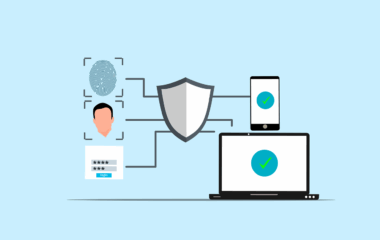
Recent technological advancements have greatly enhanced endpoint security for financial devices. Artificial intelligence (AI) and machine learning (ML) play pivotal roles in identifying and responding to emerging threats. These technologies can analyze behavioral patterns to detect anomalies, leading to quick intervention before data breaches occur. Machine learning algorithms can learn from past incidents and adapt quickly to new types of attacks. By incorporating adaptive security measures, financial institutions can stay ahead of cybercriminals, thus reducing risk exposure. Advanced threat intelligence tools also provide valuable insights into potential dangers that could target financial devices. With ongoing bi-directional communication between devices and centralized security systems, organizations enhance their incident response capabilities. Additionally, the implementation of biometric authentication methods, such as fingerprint and facial recognition, provides another level of security for financial applications. By reducing reliance on traditional passwords, these technologies improve user authentication processes significantly. Furthermore, cloud security solutions are becoming essential, as many financial operations move to cloud environments. These cloud-based systems must also incorporate rigorous endpoint protection strategies as they carry sensitive financial data.
The importance of user awareness in mitigating endpoint security risks cannot be overstated. Employees in financial organizations are often the first line of defense against cyber threats, making their education crucial. Regular workshops and training sessions should inform employees about the latest threats and effective protective measures. Role-playing scenarios can help increase engagement, allowing staff to practice how to respond to cybersecurity incidents safely. Additionally, organizations should encourage a culture of transparency in reporting suspicious activities. Promptly reporting potential threats allows the security team to take action quickly, minimizing damage. The deployment of user-friendly security tools can aid in preventing breaches. These tools, when made easily accessible, enable employees to maintain security without complicating their workflow. Moreover, organizations can implement a rewards system that recognizes employees’ efforts to promote security best practices. This strategy fosters an environment where everyone understands their role in maintaining endpoints securely. Engaging users and creating a proactive approach to cybersecurity encourages higher participation in security initiatives. As technology progresses, so will the importance of maintaining an educated user base when it comes to effective endpoint security in the financial sector.
The Future of Endpoint Security
Looking towards the future, endpoint security for financial devices will continue evolving to meet mounting cyber threats. The integration of advanced analytics and AI will provide deeper insights into threat patterns, enabling preemptive responses. Financial institutions will likely adopt decentralized security architectures to enhance their defenses against targeted attacks. Decentralization minimizes the risks associated with single points of failure, making it more challenging for attackers to penetrate the entire network. Furthermore, continuous innovation in cryptography will bolster data protection measures. As technologies advance, security techniques must also adapt to maintain consumer confidence in the financial system. Additionally, partnerships with cybersecurity firms may become increasingly important as financial organizations seek external expertise. These collaborations can leverage cutting-edge technologies and knowledge to bolster endpoint security effectively. The evolution of regulations surrounding data protection will also shape endpoint security strategies. Compliance will become a more significant factor in determining security protocols. As the landscape of financial technology and cyber threats changes, organizations must stay ahead of the curve by investing in future-ready endpoint solutions. This proactive planning will ultimately lead to fortified defenses against any potential cyberthreats.
In conclusion, the impact of endpoint security on financial devices is critical for safeguarding sensitive information and maintaining operational integrity. Financial organizations must tackle challenges associated with rapidly evolving cyber threats and legacy systems to achieve effective protection. By embracing innovative technologies such as AI, machine learning, and biometric authentication, institutions can enhance their security measures. Moreover, fostering a culture of user awareness and proactive reporting strengthens defenses against potential breaches. Continuous training of employees complements technological measures, creating a more secure environment. Future growth in endpoint security will require organizations to stay adaptable to changing regulations and new technological advancements. Consequently, collaboration with cybersecurity experts will become indispensable in tackling sophisticated threats. As we move forward, the importance of a multi-layered security approach that incorporates best practices will be essential. By doing so, financial institutions can build resilience, continue to maintain consumer trust, and protect their assets effectively. Ultimately, the commitment to endpoint security will define financial organizations’ success in navigating this increasingly complex cybersecurity landscape.