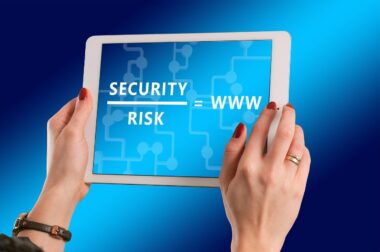

Emerging Trends in Risk Monitoring Technologies
Risk monitoring has transformed significantly with the advent of new technologies, enabling organizations to mitigate potential threats proactively. Advanced analytics, powered by artificial intelligence (AI) and machine learning (ML), plays a crucial role in streamlining risk assessments. These technologies enable businesses to analyze massive volumes of data in real-time, identifying patterns and anomalies that indicate potential risks. For example, AI-driven software can help organizations by determining deviations from typical behavior, allowing for early intervention. Additionally, the integration of predictive analytics marries historical data with machine learning methods. This innovation assists companies in foreseeing possible future risks based on trends and behaviors. More specifically, financial services firms leverage these sophisticated analytics to detect fraud or compliance issues. Furthermore, regulatory technology (RegTech) enhances compliance monitoring through automation. This shifts the focus from reactive strategies to proactive assessments, fostering a culture of continuous improvement. Businesses must adopt these technologies not only for compliance but for securing a competitive advantage. Overall, organizations that integrate these cutting-edge tools into their risk management strategies are much better equipped to handle the complexities of modern risk environments effectively.
The rise of real-time risk monitoring systems has changed the landscape of risk management drastically. Traditionally, risk assessments occurred on a periodic basis, leaving organizations vulnerable between evaluations. In contrast, real-time systems provide alerts and insights as events unfold, thus allowing for a more agile response. These systems often utilize interconnected platforms that facilitate data sharing across departments, enhancing collaboration and communication. For instance, Internet of Things (IoT) devices can deliver instantaneous data on operational environments. This allows organizations to monitor risk conditions in various scenarios, such as natural disasters or cybersecurity threats. Companies today also focus on visual analytics tools, which transform complex data sets into understandable visuals. Dashboards and heat maps allow risk managers to discern information intuitively. Moreover, firms are employing cloud-based solutions to support their risk monitoring initiatives. Cloud technologies offer scalability, enabling quick adjustments to monitoring frameworks as organizational needs evolve. This flexibility is vital in today’s rapidly changing business landscapes. All these developments signify that today’s organizations increasingly prioritize advanced monitoring mechanisms to ensure financial and operational resilience in the face of emerging risks.
Another significant trend is the increasing use of behavioral analytics in risk monitoring. This approach focuses on understanding how individuals interact with systems and processes, identifying atypical behaviors that may signal risks. Behavioral analytics generates insights based on user interactions, providing context to potential threats. By tracking user behavior patterns, organizations can develop a more accurate profile of risk exposure. This is particularly crucial in cybersecurity, where insider threats or compromised accounts often arise from unexpected user actions. Machine learning algorithms analyze this rich data and continuously improve their accuracy over time, evolving with emerging threats. Furthermore, organizations can implement anomaly detection systems to alert them to unusual activities automatically. By integrating behavioral analytics into their risk monitoring strategies, companies can tailor their responses to specific threats. This personalization enhances the effectiveness of risk mitigation strategies. In addition, gamification techniques are increasingly gaining traction to educate employees about risks. By engaging users in risk scenarios, organizations can promote a deeper understanding of risk management practices. Ultimately, embracing behavioral analytics empowers organizations to enhance their overall security posture while fostering a culture of risk awareness among employees.
Integration of Blockchain in Risk Monitoring
The integration of blockchain technology into risk monitoring processes presents a significant opportunity for organizations aiming to enhance transparency and accountability. Blockchain’s decentralized nature allows for real-time data sharing across multiple stakeholders, improving the integrity of data used in risk assessments. This democratization of information helps build trust among parties by fostering a transparent audit trail. For instance, in supply chain risk management, blockchain can track the authenticity and provenance of goods. By providing real-time updates, organizations can monitor inconsistencies that may indicate risks related to fraud or quality issues. Moreover, smart contracts embedded in blockchain can trigger automatic responses to specific risk thresholds, enhancing process efficiency. This form of automation reduces the time and resources required to manage risks manually. Additionally, the immutable nature of blockchain ensures that records cannot be altered, providing an extra layer of security against data manipulation. Industry sectors like finance and insurance are increasingly recognizing these benefits, driving the adoption of blockchain for risk monitoring. As technological landscapes continue to evolve, blockchain’s role in shaping future risk management frameworks will be pivotal.
A significant focus on environmental, social, and governance (ESG) factors has emerged in risk monitoring technologies. Organizations are increasingly recognizing that managing risks related to sustainability is essential in today’s business environment. Technologies that assess ESG risks provide valuable insights into how organizations can align their risk management strategies with broader societal goals. For instance, companies utilize data analytics to evaluate their environmental impact, identifying areas where they can mitigate risks associated with climate change. Furthermore, social factors such as labor practices and community engagement are critical, making companies increasingly responsible for their social footprints. Automation tools can help monitor these complex risks effectively. Additionally, developing governance structures that ensure compliance with regulations fosters stronger risk management. Technologies like dashboards visualize ESG metrics, making it easier for stakeholders to engage with the data. Reports generated from such systems promote transparency and help organizations address stakeholder concerns effectively. Investing in ESG-related risk monitoring tools not only mitigates risks but also contributes positively to brand image and reputation. Consequently, organizations prioritizing ESG factors in risk management are becoming favored choices among investors and consumers alike.
The role of data privacy in risk monitoring technologies cannot be overstated as organizations navigate data protection regulations. With stringent laws like GDPR in Europe and CCPA in California, firms must prioritize compliance to avoid severe penalties. Privacy-centric technologies will play a vital part in monitoring risks related to data breaches and unauthorized access. These solutions employ encryption techniques and automated monitoring systems to track access to sensitive data, thereby bolstering security measures. Additionally, organizations must also educate employees about data privacy best practices. By establishing a culture centered on data stewardship, companies can reduce human error-related breaches. Furthermore, businesses are increasingly considering implementing comprehensive data lifecycle management strategies in their risk frameworks. By assigning clear responsibilities and incorporating robust technology, organizations can ensure better control over personal information throughout its lifecycle. Effective communication between IT and compliance departments enhances the overall risk management process. There is a growing acknowledgment that risk monitoring solutions must integrate privacy considerations seamlessly into organizational processes. As new regulations emerge, organizations that prioritize data privacy in their risk frameworks will ensure compliance while enhancing customer trust.
Future of Risk Monitoring Technologies
Looking forward, the future of risk monitoring technologies will likely hinge on advancements in artificial intelligence and the Internet of Things. The convergence of these technologies will create a more holistic approach to risk management. AI algorithms will become increasingly sophisticated, allowing for deeper data analysis, while IoT devices will collect critical real-time data from various environments. This synergistic relationship will support organizations in identifying risks faster and more accurately. Furthermore, the integration of augmented reality (AR) in risk monitoring is starting to gain traction. AR can visualize complex risk data, allowing risk managers to interact with data in an immersive way. This can be particularly useful during training sessions or simulations. Innovation in user experience design will also play a role in shaping future monitoring tools, enabling clearer and more intuitive interfaces. As organizations adopt a digital-first approach, the demand for adaptable risk monitoring solutions will grow. Businesses must be proactive in embracing these emerging technologies to maintain a resilient risk management framework. Adopting innovative tools will be critical in navigating uncertain future risk landscapes. Organizations willing to invest in these developments will ultimately remain competitive.
In conclusion, embracing emerging trends in risk monitoring technologies is paramount for organizations seeking to thrive in an increasingly complex risk landscape. Continuous advancements in technology offer significant opportunities for organizations to enhance their risk management strategies. From utilizing AI and machine learning for predictive analytics to implementing blockchain for transparency, the evolution of these tools enables risk managers to make informed decisions. Moreover, the importance of ESG considerations and data privacy showcases the multidimensional nature of today’s risk environment. By staying attuned to these trends, organizations can foster resilience and adaptability in the face of ever-changing risks. Importantly, investing in education and resources for employees will empower companies to establish a culture of risk awareness and accountability. As the future unfolds, those who proactively embrace these innovative technologies will not only mitigate risks but also position themselves favorably in the marketplace. Finally, the role of collaboration across departments will be crucial in maximizing the effectiveness of these agile risk management frameworks. Organizations that prioritize technological integration while cultivating a strong risk culture will ensure better preparedness for whatever challenges lie ahead in the realm of risk monitoring.