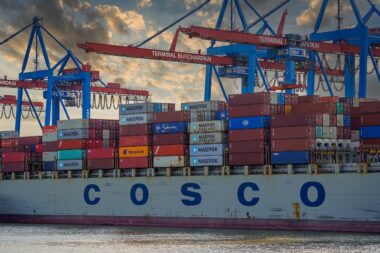

Emerging Trends in Trade Policies
In the wake of the COVID-19 pandemic, trade policies are undergoing significant transformations. Governments worldwide are reevaluating their strategies to ensure resilience in supply chains. This reevaluation has introduced a trend towards regional trade agreements, focusing on reducing dependencies on distant partners. Additionally, nations are embracing digital trade policies, facilitating faster and more efficient cross-border transactions. The increasing interest in sustainability is leading to the integration of eco-friendly regulations into trade agreements. Countries are also prioritizing local industries to boost employment while ensuring economic stability. Furthermore, customs procedures are being streamlined through technology, allowing for quicker processing times. This emphasis on technology is vital in addressing disruptions mirrored during the pandemic. As these policy changes unfold, the international trade landscape is evolving, presenting both challenges and opportunities. Businesses are urged to adapt swiftly to continue thriving in this changing environment, emphasizing the need for agility and innovation. In this context, the importance of understanding emerging trade patterns becomes paramount, as they dictate the future of global commerce in the post-COVID-19 world.
The impact of COVID-19 on investment has reshaped global financial flows. Investors are now leaning towards markets that demonstrate resilience, often driven by technological advancements. This change has led to a notable surge in investments within technology sectors, especially those focused on remote work, e-commerce, and healthcare innovations. Emerging economies are also gaining attention as investors seek diversification to mitigate risks associated with reliance on traditional markets. Moreover, venture capitalists are increasingly supporting start-ups that align with sustainable development goals, emphasizing environmental and social governance. This shift indicates a changing mindset towards investment, where financial returns now encompass broader societal impacts. Collaborative approaches between public and private sectors are encouraged to create supportive environments for investment. Strengthening investment linkages is crucial for fostering economic recovery and ensuring long-term growth. Furthermore, the race for technological supremacy is intensifying, heightening competition in global markets. Consequently, countries are investing heavily in research and development. To stay competitive, nations must create favorable conditions for innovation, thereby enhancing their attractiveness as investment destinations. The interplay of these factors will significantly shape investment landscapes in the coming years.
Digital Transformation of Trade
The pandemic has accelerated the digital transformation within trade sectors significantly. Firms are increasingly adopting digital platforms for conducting trade, reshaping traditional modes of operation. E-commerce has exploded in popularity, allowing businesses to reach customers across borders with ease. Digital tools enhance visibility into supply chains, providing real-time data that aids in decision-making processes. Additionally, platforms leveraging blockchain technology offer improved transparency and security for transactions. As companies embrace these technologies, the importance of cybersecurity cannot be overstated. Cyber threats have increased alongside digital growth, making robust cybersecurity protocols essential. Furthermore, remote technologies facilitate communication and coordination among international partners, enabling seamless collaboration. The shift towards digital trade brings immense benefits, including reduced costs and increased efficiency, which can revolutionize the sector’s operations. Nonetheless, challenges such as regulation harmonization across countries remain. Policymakers need to establish frameworks that accommodate these emerging technologies while ensuring equitable access. As businesses adapt to these changes, they must remain vigilant and proactive, leveraging technology to stay competitive in the increasingly digital global trade landscape.
Global supply chains are being reexamined due to disruptions witnessed during the pandemic. Companies are now recognizing the vulnerabilities inherent in widespread outsourcing. As a response, businesses are exploring strategies such as reshoring, nearshoring, and diversifying suppliers to enhance supply chain resilience. The focus on localized supply chains is emphasized, allowing for quicker responses to market demands and reducing dependency on unpredictable international logistics. However, this shift may involve higher operational costs, prompting businesses to analyze their trade-offs carefully. Moreover, technology plays a crucial role in optimizing these new supply chain models. Advanced analytics and artificial intelligence enable firms to forecast demand accurately, mitigating risks associated with stockouts or oversupply. Furthermore, sustainability is becoming a key consideration, with firms adopting eco-friendly supply chain practices to align with consumer preferences. The integration of sustainability within supply chains not only enhances brand reputation but also facilitates compliance with emerging regulations. Moving forward, businesses must innovate continuously, adapting to changing consumer behaviors while ensuring their supply chains deliver products efficiently and sustainably. Balancing cost, efficiency, and sustainability will be critical in shaping future supply chain strategies.
Investment in Infrastructure Development
Infrastructure development plays a pivotal role in enhancing trade and investment linkages. Nations are increasingly focusing on modernizing roads, ports, and digital infrastructure to attract investments and facilitate trade. Investment in physical infrastructure enhances connectivity, enabling smoother transport of goods. Meanwhile, improving digital infrastructure ensures that businesses can compete in an increasingly interconnected world. Governments are recognizing this need and are mobilizing funds to upgrade existing facilities. Public-private partnerships are becoming prevalent, with private entities investing in infrastructure projects, sharing financial risks, and delivering efficient solutions. Furthermore, sustainable infrastructure development is gaining traction. Integrating green technologies ensures that new projects align with environmental standards while benefiting the economy. Developing countries, in particular, are leveraging international investments to improve their infrastructure, thereby expanding their market access. These initiatives stimulate job creation and economic growth, which are crucial for recovery post-COVID-19. The broader effects of such developments ripple through economies, making locations more attractive for foreign direct investment. Building robust infrastructure will ultimately create a conducive environment for trade and investment, contributing to a more interconnected global economy.
Trade facilitation measures have gained prominence as countries aim to improve their trade environments. Simplifying customs procedures and reducing regulatory burdens enable companies to navigate international markets more efficiently. Many nations are investing in technology-driven solutions to expedite customs clearance, enhancing overall trade efficiency. The emphasis on trade facilitation promotes a more transparent trading system, fostering trust among trading partners. Moreover, international organizations are actively encouraging countries to implement best practices in trade facilitation. Workshops and training sessions are regularly conducted to assist government officials in adopting modern technologies and methodologies. The benefits of improved trade facilitation extend beyond increased trade volume; they also enhance competitiveness. Businesses can respond quicker to global trends, adjusting their strategies promptly. Streamlined procedures lead to cost savings, allowing companies to invest their resources in innovation and growth. As the global economy continues to recover, the importance of efficient trade facilitation becomes evident. Policymakers must remain committed to improving these processes, recognizing their impact on economic prosperity and ensuring their nations benefit fully from evolving trade opportunities.
Innovation as a Driver of Change
Innovation is at the core of emerging trade and investment linkages post-COVID-19. The pandemic has spurred a wave of creativity among businesses striving to adapt to the evolving landscape. Companies are reimagining their products and services to meet shifting consumer demands. Emphasis is placed on incorporating technology, particularly artificial intelligence and automation, which are revolutionizing production processes. These innovations enhance efficiency and enable companies to pivot quickly in response to market changes. Furthermore, the rise of fintech has transformed how businesses engage in cross-border transactions, simplifying payment processes and reducing transaction costs. Agile business models that leverage innovation are proving crucial for long-term sustainability. To foster an environment conducive to innovation, governments are encouraged to invest in research and development, creating incentives for businesses to innovate. Education systems also need to adapt, aligning skills with the demands of an evolving market. Additionally, international collaboration fosters knowledge sharing, essential for driving innovation. As sectors become increasingly interconnected, the role of innovation in trade and investment linkages will remain vital, shaping the trajectory of global commerce and economic growth.