
Understanding the Role of Credit Bureaus in Financial Health
Credit bureaus play a vital role in the financial ecosystem by collecting and managing the credit information of individuals and entities. These organizations gather data from various financial institutions and creditors, including banks, credit card companies, and other lenders. Their main objective is to provide lenders with a comprehensive assessment of a borrower’s creditworthiness. Therefore, maintaining accurate, up-to-date, and comprehensive records is essential for healthy credit markets. Creditors rely on this information to make informed lending decisions, ultimately influencing consumers’ access to credit and financial products. The credibility of these bureaus significantly impacts the economy as a whole. Consumers need to understand how credit scores are calculated, the components that influence them, and the importance of personal financial management. This knowledge helps individuals make sound financial decisions, enhancing their chances of receiving favorable credit terms. Failure to monitor and manage credit can lead to diminished scores, making it increasingly difficult to secure loans or mortgages. Thus, understanding credit bureaus is crucial for achieving long-term financial health.
The Importance of Credit Reports
A credit report is a detailed summary of an individual’s credit history and provides lenders with insights into a borrower’s reliability. It includes personal information, current and past credit accounts, payment history, and outstanding debts. This vital document can determine the interest rates you will pay on loans and the types of credit available to you. Moreover, having a clear understanding of your credit report can empower individuals to manage their credit more effectively. Regularly reviewing this report helps identify any inaccuracies that may negatively impact credit scores. If an error is found, individuals have the right to dispute it with the credit bureau, leading to potential score improvements. Additionally, being proactive about one’s credit report can help mitigate risks of identity theft, as consumers can easily spot discrepancies. To obtain your credit report, you can visit websites established by credit bureaus or use trusted financial platforms. In conclusion, maintaining a clean and accurate credit report is crucial for purchasing homes, securing loans, and achieving overall financial objectives.
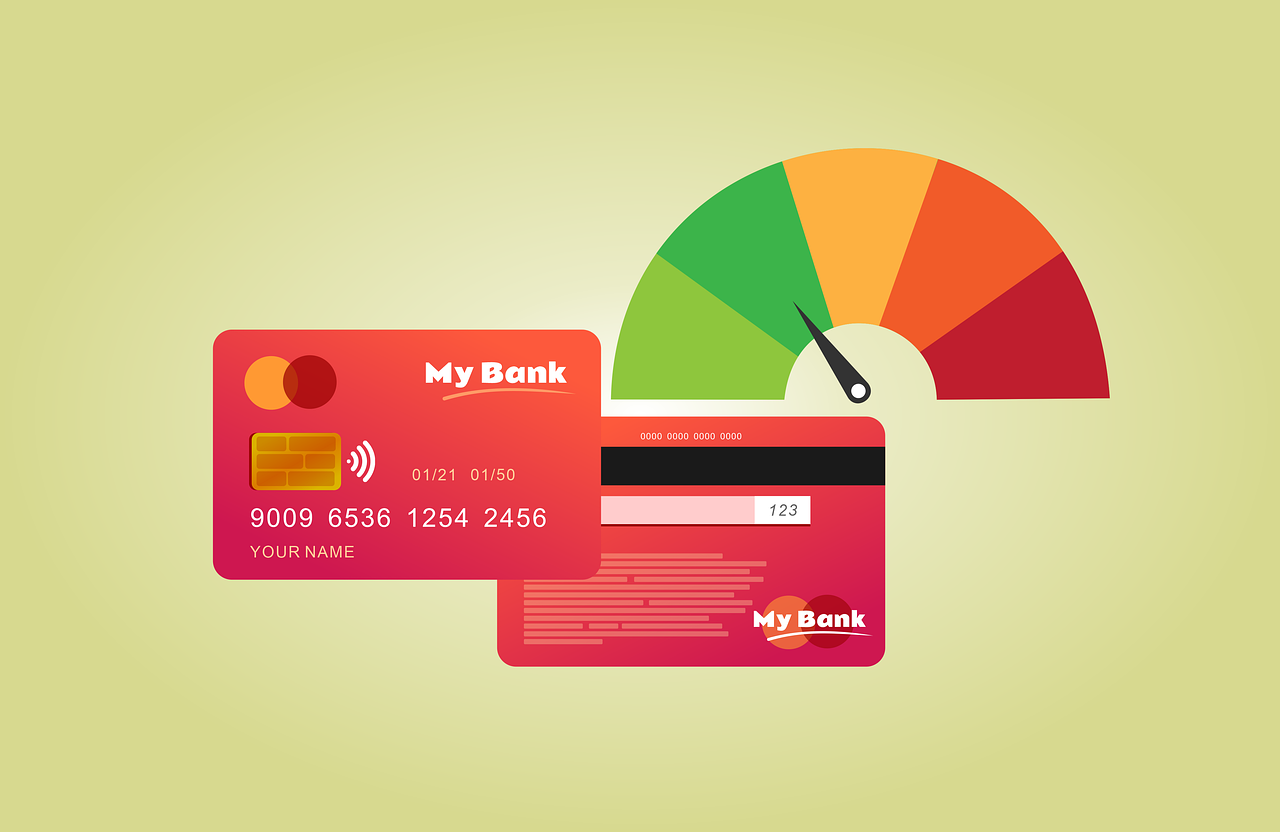
Another critical aspect of credit bureaus is their role in calculating credit scores. Credit scores, which range from 300 to 850, are numerical representations of creditworthiness, influencing lenders’ decisions. The main components of a credit score include payment history, amounts owed, length of credit history, new credit, and types of credit used. Payment history alone accounts for about 35% of the score, underscoring the importance of timely payments. Additionally, using a high percentage of available credit can negatively affect scores, making responsible credit utilization significant. Understanding these factors can help consumers improve their credit scores over time. For example, setting up automatic payments or maintaining low credit card balances may benefit overall financial health. Furthermore, it’s wise to avoid multiple credit inquiries in a short period, as this can also lower scores. Educational resources and tools are available through credit bureau websites to help individuals gain insights into improving their scores. Knowledge is a powerful tool, allowing consumers to take control of their financial future effectively.
Types of Credit Bureaus
There are three primary credit bureaus—Experian, TransUnion, and Equifax. Each bureau collects different data and may have slightly varying credit scores for the same individual. Consumers should understand that these organizations often work independently, meaning discrepancies between reports can occur. When applying for loans or mortgages, lenders will typically use scores from one or more of these bureaus. Consequently, it is crucial to review all three reports regularly. Each bureau offers one free report per year, allowing consumers to assess their credit standing effectively. Additionally, various online credit monitoring services are available for tracking score changes and obtaining real-time alerts. Moreover, if you find inaccuracies in any report, dispute them promptly to ensure your credibility remains intact. Understanding the distinctions among these bureaus and their reports can aid consumers in addressing their unique financial situations. Furthermore, this knowledge can lead to better credit management, ultimately resulting in improved financial health and opportunities for future borrowing.
Credit bureaus also play a significant role in the lending process, serving as a bridge between lenders and borrowers. When you apply for a credit product, lenders request your credit report to evaluate your financial history, which aids them in making lending decisions. By analyzing the data, lenders can determine your eligibility for loans and the specific terms they will offer. This process eliminates reliance on subjective judgment and enhances fairness among borrowers. Additionally, by standardizing credit assessments, credit bureaus contribute to the overall stability of the financial market. However, it’s essential for consumers to be aware of the impact that multiple credit inquiries can have on their scores. Every time a lender checks your credit, especially for a dedicated purpose, a hard inquiry is made, causing a temporary dip in scores. Thus, it is wise to limit credit applications during important financial decisions, like purchasing a home or car. Therefore, consumers should prioritize direct communication with lenders, which may allow them to request only the necessary reports without unnecessarily impacting their scores.
Impact of Credit Bureaus on Financial Decisions
The impact of credit bureaus on one’s financial decisions cannot be understated. A consumer’s credit score can dictate everything, from car loans and mortgage rates to rental applications and insurance premiums. A higher score may yield lower interest rates and favorable terms, leading to substantial savings over time. Conversely, a lower score can result in higher costs or even denials from lenders. This system emphasizes the importance of responsible credit behavior and financial literacy. Consumers should actively engage with their credit reports and understand the factors influencing their scores. Establishing timely payments, managing debts, and limiting new credit inquiries are crucial steps in protecting one’s financial integrity. Moreover, consumers should be aware of how credit bureaus are affected by broader economic trends, such as recessions or high unemployment rates. These shifts can alter lending practices and influence how bureaus assess risk. Therefore, staying informed about personal finance developments can aid individuals in navigating these complex waters more effectively, empowering them to make decisions that positively impact their financial health.
Educational initiatives by credit bureaus can empower consumers to better understand and improve their financial health. Many bureaus offer resources such as online articles, webinars, and tools to help individuals learn about credit scores, reports, and their significance. This knowledge is crucial for aiding consumers to make more informed credit-related decisions. Oftentimes, a lack of understanding can lead to poor financial choices, resulting in adverse effects on credit health. Additionally, some bureaus provide personalized consultations for consumers seeking guidance on improving their credit scores. Utilizing these resources can help break generational cycles of poor credit management. Furthermore, it’s essential to foster a culture of awareness and responsibility surrounding credit in various social circles. Financial wellness is becoming increasingly significant as consumers navigate a complex financial landscape. Individuals armed with knowledge can advocate for themselves better, paving the way for a brighter financial future. In conclusion, credit bureaus wield significant influence over personal finances, making it essential for individuals to leverage every resource available for maximizing their financial truth.
In summary, credit bureaus play a pivotal role in shaping financial health by offering necessary insights into creditworthiness and facilitating lending decisions. Understanding their function is foundational for consumers aiming to maintain good credit scores and manage their finances effectively. By regularly reviewing credit reports, comprehending the components influencing scores, and utilizing available educational resources, individuals are better prepared to navigate the financial world. Moreover, recognizing the influence of credit bureaus on lending practices can help consumers adapt their financial strategies. The interaction between lenders and bureaus helps ensure equitable access to credit for all consumers, promoting a healthier economy. In addition, understanding the distinctions between different bureaus can further empower consumers, showing them how to address discrepancies in their reports. Consumers should take proactive steps in managing their credit, from timely payments to responsible credit utilization. As financial ecosystems continue becoming more interconnected, knowledge of credit bureaus will remain a fundamental aspect of sound financial management. Ultimately, the strategic use of available resources can lead to lasting benefits for individuals and families in their pursuit of financial stability.