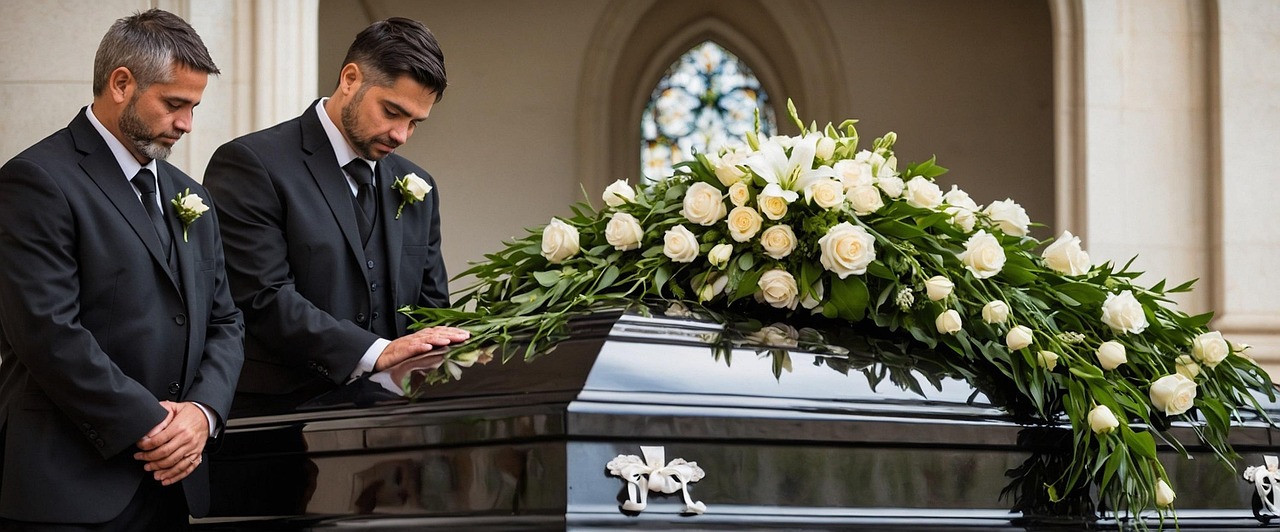

Why Funeral Planning is an Essential Part of Estate Planning
Funeral planning is a crucial element of estate planning that many individuals overlook. Without proper funeral arrangements, family members may face confusion and additional stress during an emotionally challenging time. Work with loved ones to determine arrangements that reflect personal values and beliefs. Deciding on a preferred burial or cremation method is key. You might also consider whether to hold a traditional service or a more unique celebration of life. Discussing these preferences in advance helps prevent family conflicts and ensures that your wishes are followed when the time comes. Many individuals opt to pre-pay for funeral services to alleviate the financial burden on relatives. Doing so can ensure that the funds are allocated appropriately. Investigating local funeral homes and understanding available packages is advisable. It’s also essential to communicate these plans to family members or designate a trusted individual to oversee arrangements. Being clear about your wishes can save your family from making difficult decisions under duress. Ultimately, thoughtful funeral planning is a meaningful aspect of comprehensive estate preparation, reflecting both personal intentions and the desire for peace of mind.
Engaging in funeral planning can provide significant psychological benefits for you and your loved ones. By organizing details ahead of time, you can alleviate uncertainties and fear among family members regarding your end-of-life wishes. Family dynamics can become complicated during grief, and having a documented plan can mitigate emotional stress. Additionally, it opens the door for conversations about death, typically viewed as uncomfortable topic. This process can also serve to reinforce bonds amongst family and friends, fostering a support network. You can consider including instructions for personal touches at the funeral, such as favorite music or readings that resonate with your values and beliefs. Encouraging open discussions with family members about their preferences can also identify shared views on end-of-life celebrations. This sharing can lead to a greater understanding among family members of what’s important in honoring a loved one. Moreover, this planning can pave the way for creating lasting memories that your chosen family and friends will cherish. With proper funeral planning, you can leave behind a legacy that acknowledges your unique life while respecting the feelings of those you leave behind.
Financial Considerations in Funeral Planning
The financial aspects of funeral planning cannot be overlooked. Funerals can quickly become expensive if plans are made under stress or without prior thought. Pre-planning avoids these financial burdens, thus ensuring that costs are known and manageable for family members. That’s why it’s vital to start gathering information about funeral costs, including the average price range for services in your area. Families faced with unexpected expenses often experience additional stress. Researching and budgeting for funeral services can offer peace of mind. Consider discussing your financial approach with family members to ensure that everyone is on the same page regarding funding sources for the funeral. You might also explore insurance options specifically designed to cover funeral costs. Certain policies can significantly alleviate the financial strain on relatives. Pre-planning can also protect your family from potential inflation regarding service prices as years go by. Additionally, make a checklist of preferred service providers and items you want to include, allowing easy comparisons and informed decision-making. For families planning in advance, financial clarity is a key component that can ease future familial distress.
Moreover, alongside selecting financial aspects of funeral arrangements, consider legal elements that also play a vital role in ensuring your wishes are adhered to. Assign a Durable Power of Attorney to manage decisions if you are unable to express your preferences. This designation can help maintain your values in the decision-making process. In addition to writing a will, you may wish to create a living will that articulates your health care preferences and funeral details. Once established, ensure that family members are aware of these documents and their locations. Legal documentation signifies your commitment to clear expectations, allowing relatives to focus on grieving rather than debating your interests. It’s also wise to periodically review these legal documents. Changes in personal circumstances, such as marriages, divorces, or the birth of children, might necessitate updates. Keeping all your estate planning materials organized and readily accessible is essential. An estate planning attorney can provide valuable insights when navigating complex legalities surrounding funeral arrangements. Remember that your funeral is an essential part of your legacy and should reflect your wishes thoroughly.
Emotional Benefits of Funeral Planning
Engaging in funeral planning frequently yields emotional benefits. Being proactive provides individuals the opportunity to reflect on their life, values, and what they wish to convey to surviving family members. This reflection can promote a sense of closure and acceptance surrounding death. Moreover, pre-planning your funeral can eliminate future anxiety for relatives, as they will not have to face uncertain logistics or disagreements. Conversations initiated during the planning process can encourage deeper connections among families, fortifying relationships in the process. Sharing memories or personal anecdotes with loved ones becomes an integral part of the planning. You might find comfort in knowing that your wishes will be honored, bringing a sense of peace as you imagine how your life will be celebrated. Further, consider selecting participants for significant roles in the ceremony, thus providing them purpose during a grieving period. Implementing personal touches can also enhance the overall experience for attendees, making it more meaningful. These efforts might help alleviate potential regrets about leaving important details unaddressed. Essentially, funeral planning represents an act of love, intended to ease the burden on loved ones while celebrating individuality.
Ultimately, the benefits of integrating funeral planning into your overall estate plan are profound. It combines personal desire with practical considerations, promoting informed decision-making and emotional healing. Initiating the process early can set the stage for a deeply personal farewell, allowing loved ones to honor your life authentically. Enabling family members to express their thoughts and feelings regarding your wishes can foster emotional growth and connection. Moreover, by documenting your preferences, you lessen the chances of family conflicts that often arise during such challenging times. By bringing clarity to your desires, your family will be positioned to execute your wishes without confusion. It becomes an essential conversation for all adult family members as it solidifies understanding. Taking time to plan can help everyone navigate through their grief while focusing on celebrating a life well lived. Additionally, utilizing resources, such as guided books or professional planners, can streamline this process and add value. Enjoy this reflective time, understanding that a well-planned funeral leaves a lasting impact, creating cherished memories and stories that build your legacy, securing your place in the hearts of those you leave behind.
The Legacy of Funeral Planning
In conclusion, funeral planning plays an essential role in the broader context of estate planning. It emphasizes respect for individual values and offers emotional relief for family members. By addressing potential issues ahead of time, you reinforce the legacy that you want to leave behind; one marked by care and consideration. This planning addresses practical aspects, including financial and legal considerations while also creating an emotional environment where family members feel supported. Discussing wishes openly cultivates connections, inviting shared experiences and reflections that can strengthen family ties. Additionally, ensuring that all preferences are documented simplifies decision-making and reduces stress for loved ones during difficult times. Providing resources or guidance can further assist family members in navigating the planning process, allowing participation in honoring your life meaningfully. Ultimately, funeral planning is a powerful act of love that reverberates long after the ceremony ends. It can become a celebration of life, allowing individuals to focus on cherishing memories rather than battling logistical challenges amid grief. By prioritizing this aspect in estate planning, you actively contribute to the healing journey of your family, fostering love and remembrance that lasts.
Grasping the significance of funeral planning within estate planning is essential. Understanding this connection not only reassures you regarding end-of-life planning but also highlights the impact your choices have on family dynamics. Considering the perspectives and emotions of those you love can guide you in making informed decisions. Whether it’s outlining preferences for a funeral service, choosing a burial site, or exploring cremation services, being proactive addresses many concerns upfront. Encouraging discussions about these topics can lead to clarity, securing peace of mind for everyone involved. Additionally, embracing this topic can inspire familial connections, allowing each member to articulate their feelings about loss and legacy. It is necessary for individuals to feel comfortable voicing their opinions and preferences, as this openness can provide invaluable insights into the values shared by family members. As you navigate through the complexities of establishing an estate plan, let the included funeral planning shine as a guiding beacon. This holistic approach resonates deeply with each family member’s heart. Ultimately, dedicating time to this important aspect of estate planning positively impacts how your loved ones cope and remember your life.