
How Digital Wallets Are Transforming Underserved Communities
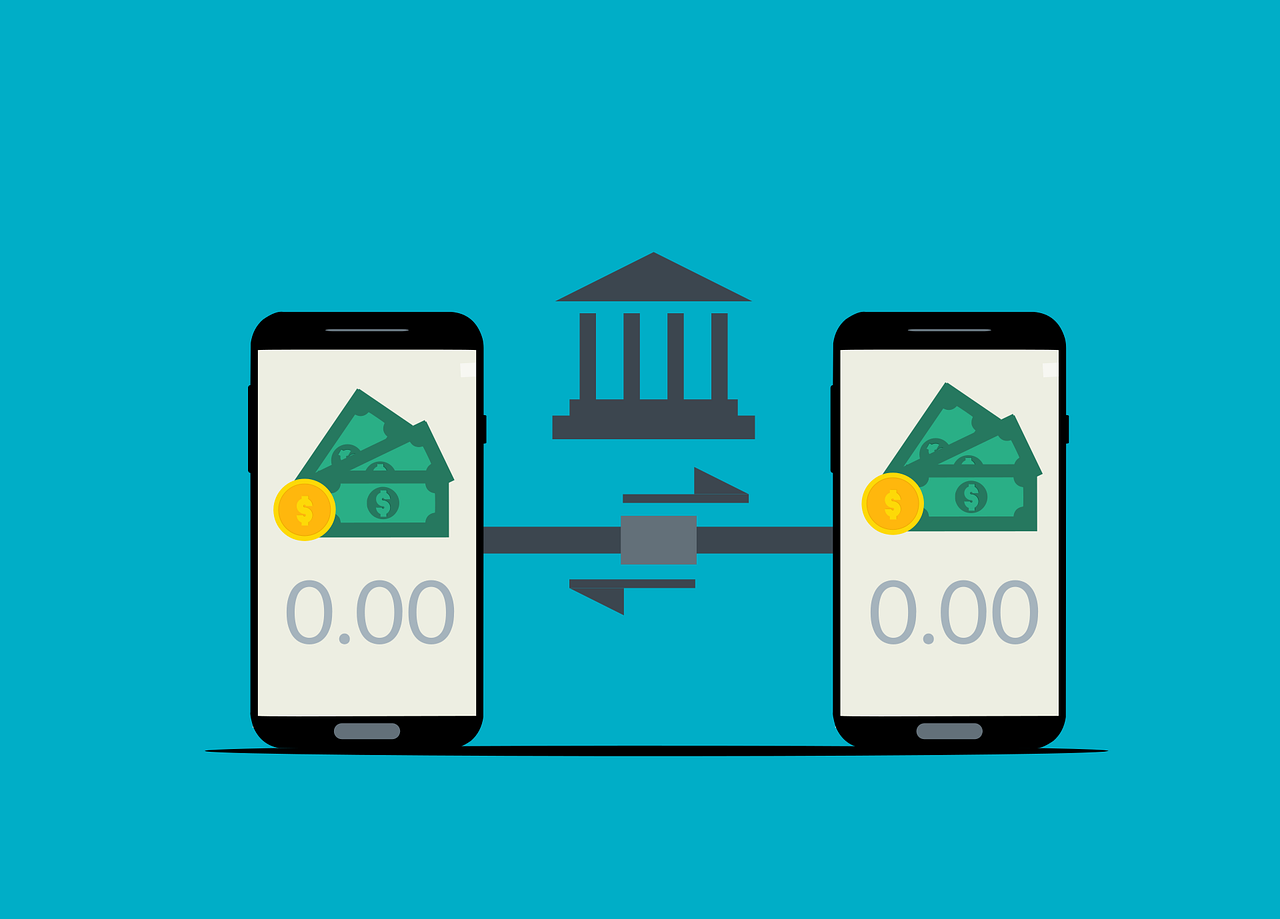
The rise of digital wallets marks a significant shift toward financial inclusion, particularly in underserved communities. These platforms provide a user-friendly method to manage funds using smartphones and other devices, reducing reliance on traditional banking services. Digital wallets establish a bridge that connects individuals to financial services, alleviating barriers imposed by geographical isolation or economic conditions. They offer tools for budgeting, peer-to-peer transactions, and bill payments, enabling users to take control of their finances effectively. The accessibility of these wallets empowers individuals who typically lack access to formal banking, creating opportunities for savings and investment. With features tailored to the unique needs of these communities, digital wallets enhance financial literacy and allow users to participate in the economy actively. Moreover, they often come without hefty fees commonly associated with traditional banking. This democratization of financial services fosters greater economic stability and long-term development within these communities, leading to higher rates of entrepreneurship. Innovations within the digital wallet space also include collaborations with local businesses, further integrating underserved populations into the financial system.
Enhanced security and ease of use are at the core of the appeal of digital wallets. Implementing protocols such as biometric authentication and encrypted transactions provides users with peace of mind regarding their financial data. These additional security measures are particularly crucial for individuals in underserved communities who may have limited trust in financial systems due to past experiences. Many digital wallet apps also include features such as transaction history, notifications, and spending insights that encourage users to manage their money responsibly. With the growing adoption of smartphones, particularly among younger demographics in these communities, the transition to digital finance is more seamless than ever. The ability to conduct transactions digitally eliminates hurdles like long bank queues or transportation difficulties to physical banks. Additionally, users can easily transfer money to family and friends, further strengthening community ties through financial support. Platforms often personalize their services to reflect the needs and preferences of local cultures, facilitating a more tailored user experience. Aid organizations are recognizing the transformative impact of digital wallets, collaborating with tech firms to expand their reach and effectiveness in fostering financial inclusion.
The Role of Financial Education
Education plays a critical role in optimizing the benefits of digital wallets for underserved communities. Access to financial literacy programs can significantly enhance the effectiveness of these tools, ensuring users understand how to utilize them fully. Many wallet providers offer tutorials and customer support aimed at guiding users through the platform’s features. Community workshops, often run by local organizations in tandem with digital wallet companies, can demystify financial concepts while showcasing practical usage. Through education, individuals learn essential skills such as budgeting and savings, which can ultimately contribute to higher financial stability. Knowledgeable users are also equipped to make more informed decisions regarding transactions, investments, and managing debt. Furthermore, a comprehensive understanding of privacy and security measures ensures individuals are better prepared to protect their financial information from potential threats. By marrying technology with education, communities gain a robust support system that empowers them to harness digital wallets’ full potential. Long-term efforts in this direction contribute to broader economic growth and prosperity, which can stem from enhanced financial literacy and responsible financial behavior.
Policy and regulatory frameworks are crucial in ensuring the safe and equitable implementation of digital wallets in underserved communities. Governments and financial institutions are increasingly recognizing the need for policies that promote financial inclusion while safeguarding users from exploitation. Collaborations among public and private sectors can establish guidelines that encourage the development and deployment of digital wallets designed for low-income users. These guidelines can prevent fraud, ensure transparent fees, and create a level playing field for all providers. Additionally, regulatory support can facilitate partnerships between tech companies and local banks, which can create more inclusive solutions. As policymakers gain insights into the unique challenges faced by underserved populations, they can adjust regulations to promote equitable access to digital financial tools. Furthermore, initiatives aimed at providing internet connectivity in rural or low-income areas can extend the reach of digital wallets, ensuring no one is left behind in this digital revolution. Continuous dialogue among stakeholders, including users, service providers, and regulators, is essential for fostering an environment that supports innovation while prioritizing the users’ best interests.
Adopting Digital Wallets: Challenges and Solutions
While the advantages of digital wallets are abundant, challenges still persist in their adoption within underserved communities. For instance, technological barriers such as lack of internet access can hinder effective usage. Addressing this issue may require partnerships with telecommunication companies, offering subsidized data plans or Wi-Fi access in public areas. A significant obstacle also includes the apprehension towards new technology among older individuals or non-tech-savvy individuals. Solutions might involve more straightforward design interfaces and extensive user support to alleviate concerns. Training programs tailored specifically for these demographics can facilitate smoother technological adaptation. Moreover, the variability in smartphone penetration rates across communities can significantly influence wallet success. Ensuring availability and affordability of compatible devices is a primary concern that requires attention. As digital wallets grow, it is essential to incorporate community feedback, refining services to align with user preferences and behavioral patterns. Building trust is equally important; transparent communication about fees and functionalities will boost user confidence. Continuous refinement and innovation grounded in user experience form the pathway toward successful implementation of digital wallets in these underserved areas.
The potential of digital wallets extends beyond individual benefits; they serve as powerful tools for promoting community development. As more individuals gain access to financial services, they can contribute to local economies through various channels, such as increasing local commerce or funding small businesses. With digital wallets, users can engage in e-commerce, purchase goods and services online, or even sell their products through digital platforms. This shift toward digital transactions encourages economic circulation within communities, fostering growth and resilience. Additionally, digital wallets that include features like microloans or peer-to-peer lending can significantly bolster entrepreneurship among underserved populations. By facilitating access to credit and financing, these digital solutions empower individuals to invest in their ideas and initiatives. As communities embrace these technologies, they also create avenues for collaboration and partnership among local businesses, enhancing their collective impact. Innovations within the digital wallet space are continuously evolving, with a focus on user-centric design and features that address unique community needs. As these systems integrate deeper into the fabric of financial life, the ripple effects can lead to sustainable development and improved quality of life for all community members.
Looking to the Future
The future of digital wallets in underserved communities looks promising as technology continues to advance. Integrating emerging technologies such as blockchain and AI can potentially enhance the functionality and security of these financial platforms. Blockchain could facilitate transparent, low-cost transactions while reducing fraud risks, creating a trustworthy environment for users. Likewise, AI-driven personalized financial insights and recommendations can guide users in making better financial decisions, leading to enhanced prosperity. With growing global attention on social equity, investment in financial technology solutions is also increasing. As venture capital flows into this sector, innovative products tailored for underserved communities are likely to emerge, broadening access even further. Moreover, the convergence of digital wallets with other services, such as social services and utility payments, may streamline a user’s financial life, creating a comprehensive financial ecosystem. As stakeholders, including tech companies and local governments, continue collaboration, the infrastructure supporting digital wallets is expected to strengthen. Ultimately, the ongoing commitment to innovation, education, and ethical practices will ensure that digital wallets contribute significantly to financial inclusion and economic empowerment in the coming years.
In conclusion, as digital wallets revolutionize access to financial services, they come with the power to transform underserved communities profoundly. By bridging gaps in access and empowering individuals with financial literacy and tools, these digital solutions foster independence and economic growth. The community-centric approach employed by many digital wallet providers illustrates the potential of financial technology to create inclusive ecosystems. With ongoing education, support, and advocacy for responsible user engagement, the impact of digital wallets can be magnified and sustained. We can expect more partnerships to emerge, further integrating these financial solutions into the daily lives of underserved populations. The changes initiated by digital wallets reflect a broader societal trend towards embracing technology for enhanced quality of life, a trend that merits attention and support. This transformation holds implications not only for individual users but also for communities as they strive towards better economic opportunities. Therefore, it is essential to cultivate an environment where digital wallets thrive, contributing to the financial upliftment and economic empowerment of communities long underserved. As the financial landscape evolves, the journey of digital wallets within these communities is just beginning.