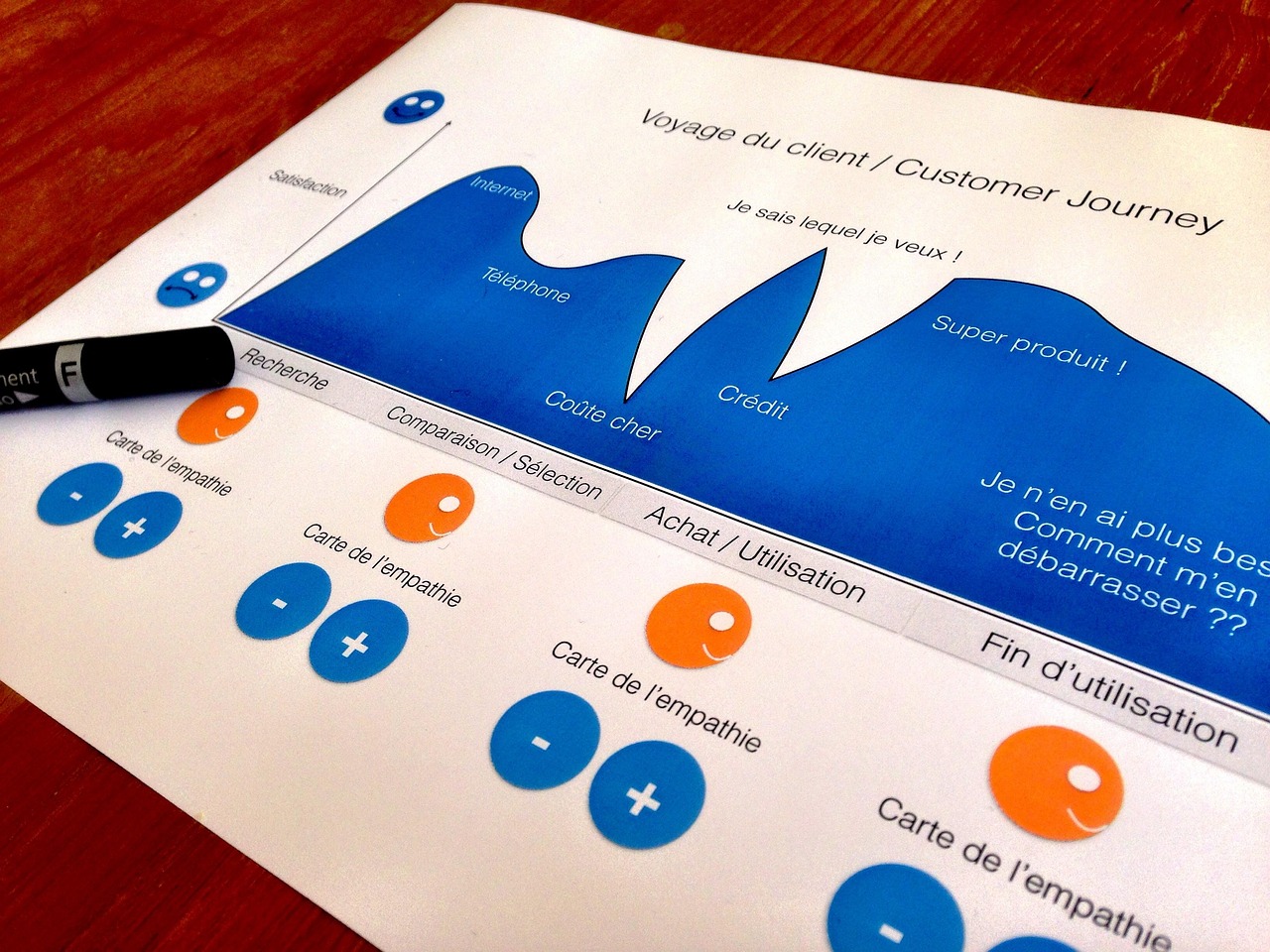

Using Data Analytics for Customer Journey Mapping
In today’s competitive marketplace, leveraging data analytics for customer journey mapping has become crucial. Businesses need to understand their customer’s behaviors and experiences. Data analytics provides insights into customer interactions across various touchpoints. This understanding allows companies to identify customer needs proactively. By analyzing data, organizations can visualize the entire journey a customer takes while engaging with their brand. A comprehensive customer journey map can highlight essential stages, pain points, and opportunities for enhancement. Implementing data analytics enables businesses to establish personalized experiences for consumers. As customers navigate through various channels, tracking their preferences can lead to tailored marketing efforts. Organizations can optimize their strategies to improve customer satisfaction and loyalty. By investing in data analytics tools, companies can effectively measure outcomes and adapt their approach to better meet clients’ expectations. Ultimately, the combination of customer journey mapping and data analytics can drive significant business transformations. In conclusion, understanding the customer journey through data will lead to more effective engagement strategies. By harnessing these insights, brands can create a compelling interaction that guarantees customer retention and long-term success.
To effectively implement data analytics in customer journey mapping, organizations must consider several key steps. First, businesses need to identify the primary objectives of their customer journey mapping initiative. By focusing on specific goals, companies can gather relevant data that aligns with their needs. Next, organizations should collect data from multiple sources, including website analytics, social media insights, customer feedback, and sales data. Integrating these diverse data sources enables a more holistic view of customer interactions. Subsequently, businesses should segment customers based on shared characteristics or behaviors to better understand their unique journeys. Each segment may require different strategies to enhance their experiences. Analyzing this segmented data will reveal trends and identify pain points that need addressing. An important aspect is to visualize the customer journey effectively through mapping tools. This visualization helps stakeholders understand the narrative behind customer data. Utilizing data visualization techniques can greatly enhance understanding across teams. Lastly, continuous evaluation and refinement of the map will drive ongoing improvements. This dynamic approach ensures that customer journey mapping is always accurate and aligned with customers’ evolving needs.
Benefits of Data-Driven Customer Journey Mapping
Using data-driven methods for customer journey mapping presents numerous benefits for businesses striving for excellence. Firstly, it enables organizations to gain a better understanding of their audience’s behavior. By analyzing data, companies can identify customers’ habits and preferences. This valuable insight can help tailor marketing strategies effectively. Secondly, organizations can pinpoint and address pain points throughout the customer journey. Identifying where customers encounter obstacles provides opportunities for improvement. Furthermore, businesses can enhance customer retention by creating personalized experiences that resonate with individual preferences. Implementing strategies based on analytics can help foster a loyal customer base. Moreover, an improved customer journey can lead to increased conversion rates. Customers who enjoy seamless experiences are likely to make purchases and recommend the brand to others. Data-driven mapping also allows companies to focus their resources effectively, ensuring teams are working on high-priority issues. This targeted effort accelerates overall business growth. Additionally, enhanced customer insights equip organizations to forecast future trends successfully. With data-driven insights, brands can stay ahead of their competitors.
When implementing data analytics for customer journey mapping, businesses must not overlook the importance of customer journey touchpoints. Each interaction point is crucial in shaping the customer’s overall experience. Understanding how customers move from awareness to purchase involves tracking these interactions. Organizations must analyze metrics at every stage of the customer journey, including awareness, consideration, and decision. Metrics such as engagement rates, click-through rates, and conversion ratios play a significant role in understanding customer behavior. As businesses gather insights from these metrics, they can revise their strategies accordingly. Furthermore, paying attention to feedback collected through surveys or reviews can establish deeper connections with customers. By combining quantitative and qualitative data, organizations can create comprehensive customer profiles. These profiles help predict customer behavior and preferences moving forward. Moreover, harnessing this information allows companies to implement proactive measures addressing potential challenges before they escalate. Being anticipative is a key advantage in today’s competitive landscape. Brands that capitalize on data for journey mapping gain insights, enabling informed decisions to enhance customer experiences on all fronts.
Tools for Effective Customer Journey Mapping
Data analytics tools greatly enhance the efficacy of customer journey mapping. Many organizations leverage software applications designed to simplify and analyze customer interactions. One of the most well-known tools is Google Analytics, providing insights into user behavior on websites. Such tools allow businesses to track metrics like page views or sessions, delivering valuable information on user engagement. Additionally, customer relationship management (CRM) platforms, such as Salesforce or HubSpot, offer features tailored for comprehensive customer insights. These platforms store extensive data regarding customer interactions across channels, aiding data analysis. Another effective tool is customer journey mapping software like Smaply or Lucidchart, which visually represents the customer experience. These tools facilitate collaboration across teams to ensure alignment on customer strategies. Additionally, heatmap tools such as Hotjar can help businesses understand user interactions on their websites in-depth. Finally, leveraging social media analytics platforms, such as Hootsuite, can provide insights into brand sentiment across various social channels. Choosing the right tools is fundamental to creating an effective customer journey map that delivers valuable insights and successfully improves overall customer experiences.
Implementing analytics into customer journey mapping is not without its challenges. Organizations may face issues related to data privacy and security when capturing customer information. Ensuring compliance with data protection regulations, such as GDPR, is essential for building customer trust. Companies must also invest resources in training employees to effectively utilize analytics tools. The learning curve associated with analytics software can hinder productivity initially. Furthermore, data silos across departments may present hurdles in obtaining a complete picture of the customer journey. Collaboration between teams is essential for sharing knowledge and insights gained from analytics. Additionally, businesses often grapple with identifying the most significant data points that influence customer decisions. This requires ongoing experimentation and testing approaches to comprehend what resonates with customers. Ultimately, companies should strive to remind themselves that the primary goal of analytics is to enhance the customer experience. Adopting a customer-centric mindset can guide decision-making and ensure that resources are allocated to initiatives that deliver the most significant impact.
Future of Customer Journey Mapping with Data Analytics
The future of customer journey mapping is bright with advancements in data analytics technologies. As artificial intelligence (AI) and machine learning (ML) continue to evolve, organizations will gain unprecedented insights into customer behavior. This predictive analysis can facilitate a deeper understanding of customer needs and preferences. AI can analyze vast datasets quickly, identifying trends that human analysts might miss. Furthermore, incorporating real-time data into customer journey mapping can enable businesses to adapt strategies quickly. This responsive approach aligns with customers’ evolving preferences. Moreover, automation tools can assist in designing customized communication for each segment during their journey. By streamlining personalized interactions, brands can enhance the overall customer experience. Additionally, integrating voice and conversational analytics will play a crucial role. Understanding verbal interactions provides insights into customer sentiment and intent. Furthermore, technologies such as augmented reality (AR) will contribute to immersive customer experiences that are visually engaging. By utilizing data analytics to inform future strategies, companies can ensure they forge stronger relationships with their customers. The fusion of data and technology will continue to shape the landscape of customer journey mapping.
The importance of data analytics in customer journey mapping cannot be overstated, as it shapes marketing strategies effectively. Employing robust analytics allows businesses to deepen their understanding of customers. By tapping into the wealth of data at their disposal, organizations can unveil hidden insights. These insights guide decision-making and foster meaningful engagement across various touchpoints. Furthermore, embracing data analytics equips companies to adapt strategies based on real-time information. This helps identify low performance areas in the customer journey and prioritize improvements. Organizations recognizing the significance of a data-driven approach possess a competitive advantage. By employing analytics that cater to the unique needs of each customer segment, brands enhance personalization and relevance. Fostering loyalty through effective journey mapping leads to long-lasting customer relationships and increased revenue over time. Moreover, it creates a unified customer experience, ensuring every interaction is valuable. In addition, data analytics serves as a foundation for continuous learning and adaptation. As market dynamics shift, being flexible and responsive is paramount for businesses’ success. By investing in data analytics, companies can transform how they understand and engage with customers moving forward.