
Momentum Trading with Technical Analysis Tools
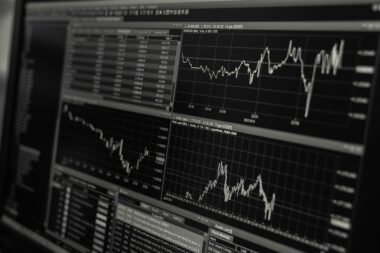
Momentum trading is a strategy focused on capturing gains in stocks or other assets where prices are moving in a particular direction. This approach relies heavily on technical analysis tools that help traders determine the strength of price movements. Key indicators used in momentum trading include the Relative Strength Index (RSI), Moving Averages, and MACD. Each of these tools offers unique insights into price trends, helping traders make informed decisions. For example, RSI indicates overbought or oversold conditions, while Moving Averages smooth out price data over time for clearer trend signals. Moreover, combining these indicators allows for a more nuanced approach to identifying potential entry and exit points. Like any trading strategy, understanding market conditions and using momentum trading appropriately is crucial. Users must keep in mind that momentum can shift rapidly due to economic news or unexpected events. Therefore, risk management strategies are essential to mitigate losses. Using stop-loss orders can protect trades and ensure that profits are realized, even amidst volatility. Engaging actively in this trading style requires diligence but can be rewarding for informed traders.
As you delve deeper into momentum trading, understanding trendlines becomes crucial. Trendlines serve as visual representations of the direction of price movements and can significantly help identify buy and sell signals. When the price consistently makes higher highs and higher lows, we see an upward trend, whereas lower highs and lows signal a downward trend. By drawing trendlines connecting these peaks and troughs, traders can establish support and resistance levels. Observing how prices react around these lines is valuable for making trades. Often, traders will look to enter positions when prices bounce off these trendlines, indicating momentum back in the favorable direction. Additionally, using channels formed by trendlines further defines potential price range movements. These channels not only highlight probable price reversals but can also help determine risk-reward ratios. Including volume as an additional layer of analysis is beneficial. High volume accompanying a price movement confirms the strength of the trend. Conversely, low volume may indicate weakness. Therefore, whenever you spot a breakout with substantial volume, it might warrant close consideration for executing trades.
Combining Momentum Indicators
Combining various momentum indicators can enhance the effectiveness of your analysis. For instance, when using the MACD (Moving Average Convergence Divergence) alongside RSI, traders gain a more comprehensive view of market dynamics. The MACD shows the relationship between two moving averages of a stock’s price, providing buy and sell signals based on the crossing of these lines. When the MACD crosses above the signal line, it may indicate bullish momentum. Conversely, if it crosses below, it could suggest bearish momentum. Utilizing both MACD and RSI together allows traders to confirm signals before executing trades. For example, if the RSI indicates overbought conditions while the MACD shows a bearish crossover, it could confirm a potential reversal. This dual confirmation minimizes the risks associated with false signals often encountered in trading. Additionally, including volume indicators further strengthens decision-making processes, ensuring that movements are not only based on price indicators alone. Many professional traders pledge by this robust combination as it provides multiple layers of analysis to inform trades, ultimately establishing a strategic edge in the market.
Risk management is a vital aspect of momentum trading that cannot be overlooked. Even the best technical analysis can sometimes lead to losses, making risk management strategies essential. One rule of thumb traders often follow is to risk only a small percentage of their trading capital on any single trade, commonly around one to two percent. This approach ensures that even a series of losing trades will not severely impact the overall portfolio. Another technique involves using stop-loss orders to automatically exit a position if the market moves against a trader. This limits potential losses and allows for more disciplined trading. Additionally, traders should consider adjusting their position sizes based on the volatility of the asset. Higher volatility may warrant smaller positions to mitigate risks, while assets with lower volatility could allow for larger positions. Emotional discipline plays a crucial role as well; sticking to predetermined trading plans and strategies is key. Overall, successful momentum trading balances returns with prudent risk management practices, ensuring long-term profitability and sustainability in the market.
Monitoring Market Conditions
Understanding market conditions and their impact on momentum trading is critical for success. The broader market environment can influence the effectiveness of technical analysis tools. For instance, a bullish trend across major indexes often propels stock prices upward, creating favorable conditions for momentum traders. Conversely, during bear markets, even technically sound setups may fail. Thus, keeping abreast of economic indicators such as interest rates, inflation rates, and employment data can provide important context. Fundamental factors often correlate with technical setups, enhancing decision-making processes. Additionally, global events and geopolitical developments can create patterns of momentum shifts that traders must watch closely. Regularly monitoring trends in sectors and industries adds another layer of depth; some might perform better than others in various economic climates. Also, utilizing tools like economic calendars can help traders anticipate major events that might impact trades. The interplay between technical analysis and market sentiment gives traders crucial insights into current trends. Adapting strategies based on ongoing developments can significantly heighten the chance of successful trades.
In conclusion, momentum trading with technical analysis tools can be a rewarding strategy for market participants willing to invest time and effort. Combining indicators like RSI, MACD, and trendlines forms a well-rounded approach, enhancing the ability to spot trends and reversals. Moreover, risk management strategies help safeguard trading capital, ensuring sustainability within the fast-paced nature of the markets. Understanding market conditions is equally pertinent, as external factors can heavily influence momentum. Traders must therefore stay informed on economic indicators and global events to align their strategies accordingly. The importance of discipline, both in adhering to trading plans and in managing emotions during trading sessions, cannot be overstated. In doing so, you maintain control and increase chances of achieving your trading goals. With persistence, continuous learning, and diligent application of these principles, anyone can effectively engage in momentum trading. This investment strategy offers an exciting opportunity to harness prevailing market trends, driving profit potential while also demanding a high level of market awareness and analytical skill from its participants.
Final Thoughts on Momentum Trading
Ultimately, momentum trading using technical analysis tools is both an art and a science. It requires mastery over technical indicators, an understanding of market psychology, and effective risk management practices. As more traders become aware of these strategies, the competition tightens, necessitating ongoing education and adaptation. Regularly reviewing trades and reflecting on outcomes can provide valuable learning experiences that translate into better future performance. Furthermore, joining trading communities and forums enhances knowledge-sharing opportunities, exposing you to varied perspectives and strategies. Continuous learning fosters growth and promotes efficiency in executing trades. Many successful traders attest to the journeys filled with ups and downs but emphasize the importance of commitment and discipline. Embrace technological advancements that are revolutionizing trading in modern markets. Monitoring market behavior through platforms equipped with real-time data can significantly improve execution timing. Overall, cultivating a diligent trading mindset centered on strategy and sound analysis can lead to long-lasting success in momentum trading, empowering traders to capitalize on evolving market dynamics.
Incorporating all these components holistically allows traders to optimize their trading system. The interplay between robust analysis, risk management, and emotional regulation creates a profound foundation for success. Moreover, adapting to market movements swiftly gives momentum traders an edge in identifying new opportunities. Importantly, understanding that every trading decision isn’t guaranteed to provide profits highlights the need for resilience. Embracing losses as part of the journey imparts valuable lessons that refine trading skills over time. As one enhances their abilities, they also develop an intuition for recognizing patterns, enhancing their predictive capabilities. Exploring various asset classes further diversifies momentum trading techniques. Each market fulfills distinct characteristics and mantras, thus demanding tailored strategies. Variations in volatility or liquidity can dramatically affect performance and potential profitability. Expanding the scope to includes commodities or indices can provoke fresh insights into trends. Momentum trading is not limited to stocks, and discovering new assets can reignite interest and excitement. Ultimately, success in the evolving landscape of markets lies in a trader’s commitment to continuous improvement, strategic planning, and diligent execution of trades.