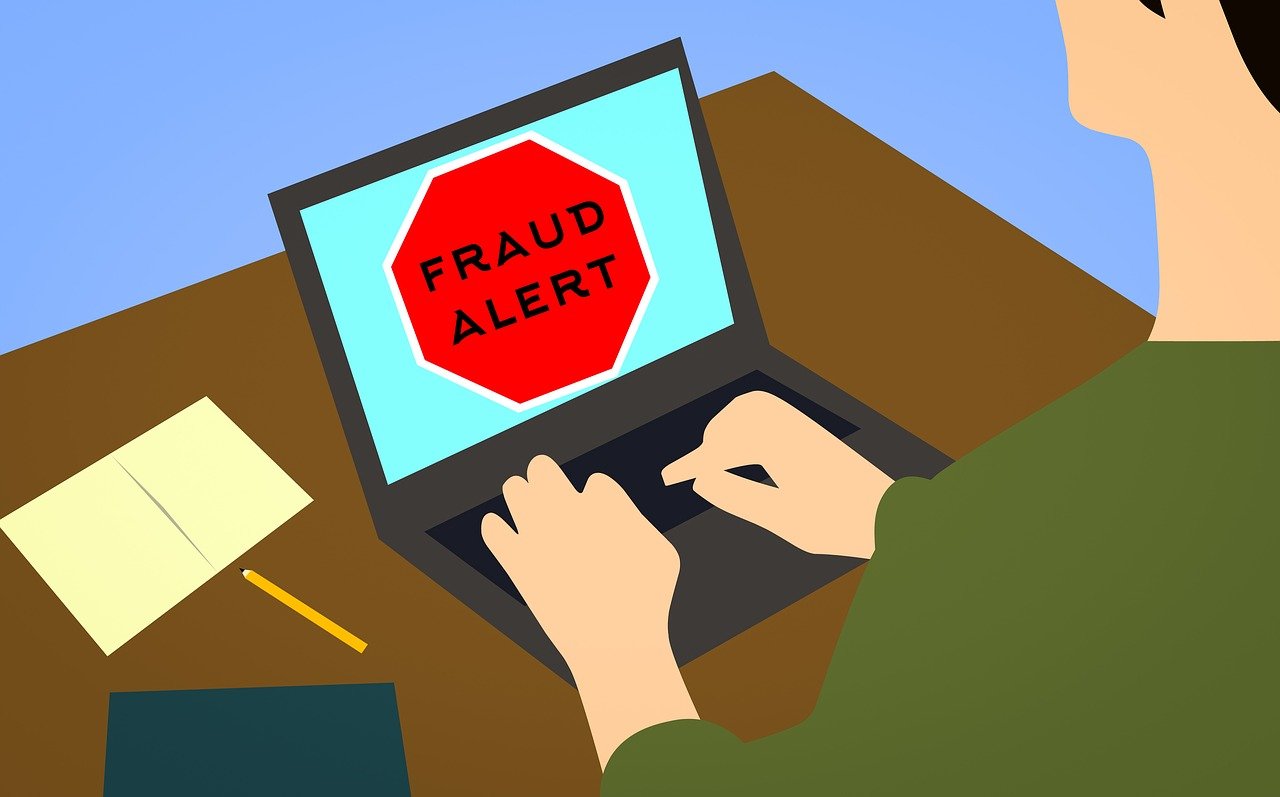

Preventing Fraud: Best Practices for Accountants
In the realm of accounting, ensuring integrity and transparency is crucial. Accountants are often tasked with maintaining public trust, which is paramount, especially when handling sensitive financial information. To prevent fraud effectively, accountants must adhere to a series of best practices that promote ethical behavior. Strong ethical guidelines not only protect the individual accountant but also safeguard the organization’s reputation and financial status. Key practices include fostering a culture of integrity in the workplace. This begins with clear communication regarding ethical standards and expectations. Regular training and workshops can equip employees with the tools they need to recognize unethical behavior. Additionally, it is critical for organizations to implement robust internal controls that enforce checks and balances. These controls should include mechanisms for reporting suspected fraud anonymously, which encourages accountability. By promoting transparency, companies can significantly reduce the risk of fraudulent activities. Furthermore, regular audits play an essential role in identifying discrepancies. Overall, a proactive approach to fraud prevention will enhance the ethical climate within the organization.
Understanding Ethical Responsibilities
Accountants carry considerable responsibilities concerning ethics and integrity in their practices. Ethical dilemmas can often arise during the course of financial reporting, where the temptation to manipulate figures may be significant. It is imperative for accountants to align their practices with established ethical standards set forth by professional organizations such as the AICPA. Adhering to these guidelines helps to ensure that accountants remain vigilant against fraud. Transparency in reporting practices builds trust with clients and stakeholders. Accountants should embrace an ethical framework that promotes honesty, objectivity, and professional wisdom, especially when making decisions. Regular training sessions can be critical in keeping all employees updated on current ethical standards and practices. Creating an open environment where employees can discuss ethical concerns without fear is vital, allowing issues to be addressed before they escalate. Additionally, establishing a whistleblower policy further aids in protecting those who report unethical actions. By prioritizing ethics, accountants can contribute to a conscious culture that inherently discourages fraudulent behavior. Striving for accuracy and integrity fosters long-term relationships built on trust.
Fraud can manifest in various forms, making its detection and prevention all the more challenging. One significant type of fraud that accountants need to be aware of is financial statement fraud, which occurs when false information is deliberately presented to mislead stakeholders. Another prevalent type includes asset misappropriation, where employees divert company funds for personal gain. These fraudulent activities can cause severe damage to an organization’s financial standing and reputation. Preventing such occurrences involves diligent oversight and robust internal controls. Background checks and ongoing assessments of employees can help maintain ethical standards. Technology also plays an essential role in modern fraud prevention. Utilizing advanced data analytics tools allows accountants to quickly identify anomalies within financial records. Implementing automated auditing processes can help in regularly reviewing financial transactions. Continuous monitoring of financial activities ensures that potential fraud can be detected early. Furthermore, encouraging employees to report suspicious activities without fear of repercussion cultivates an environment where integrity is prioritized. Overall, understanding the different types of fraud is critical to developing a comprehensive prevention strategy that mitigates risks effectively.
Creating a culture of ethical behavior within an organization is crucial for preventing fraud. When accountants actively promote ethics, they create a transparent and accountable atmosphere where employees feel comfortable reporting any suspicious activities. Regular communication on ethical expectations through training sessions, newsletters, or team meetings enhances awareness of responsibility. Leadership plays a significant role in modeling ethical behavior, as employees often take cues from management. When leaders demonstrate a commitment to ethics, staff members are more likely to follow suit. Additionally, recognizing and rewarding ethical behavior can positively reinforce the importance of integrity within the workplace. Annual ethics surveys can also provide valuable insights into how employees perceive the company’s ethical climate. Instilling an awareness of the consequences of unethical actions, including potential legal ramifications, helps deter dishonest behavior. Furthermore, having a codified ethical policy in place can serve as a reference for employees navigating difficult situations. Building strong relationships among team members fosters trust and open dialogue, which ultimately serves as a deterrent against potential fraudulent actions. Creating an environment that values ethics is essential in reducing the risk of fraud.
Implementing Internal Controls
Robust internal controls are fundamental to preventing fraud in any accounting environment. These controls serve as the organization’s first line of defense against fraudulent activity. Implementing segregation of duties ensures that no one individual has control over all aspects of a financial transaction. By dividing responsibilities among various personnel, organizations can minimize the risk of fraudulent actions going unnoticed. Regular reconciliation of financial records also helps to identify discrepancies that may indicate fraudulent activities. Auditors should consistently review these reconciliations to ensure compliance with internal policies. Furthermore, organizations must invest in technology that can assist in monitoring transactions in real-time. This can involve leveraging advanced software that analyzes patterns and red flags associated with fraud. Documenting all financial procedures is essential for establishing accountability and providing a clear framework for future audits. In addition, frequent training for employees on the importance and effectiveness of internal controls can enhance their understanding and commitment to these measures. By reinforcing the significance of internal controls, organizations can create a formidable barrier against fraud.
Regular audits are a critical component of an effective fraud prevention strategy within accounting. These audits, whether internal or external, help identify questionable transactions and ensure compliance with established policies. Internal auditors review financial records periodically, whereas external auditors provide an independent assessment of the organization’s financial health. Engaging in regular audits establishes a consistent practice of accountability, which can deter potential fraudulent actions. Furthermore, audits can illuminate areas of vulnerability, allowing organizations to fortify them accordingly. When conducting audits, it is essential for accountants to remain unbiased and utilize a systematic approach to ensure thoroughness. This may include random sampling of transactions to examine inconsistencies. Maintaining clear communication with the audit team fosters an open environment where concerns can be addressed promptly. Additionally, transparent reporting of audit findings to management is vital for enabling timely corrections. Exploring the rationale behind identified anomalies can provide valuable insights into potential weaknesses in financial processes. By integrating positive audit practices, organizations can cultivate a culture of continuous improvement that proactively addresses issues before they escalate into fraud.
Encouraging Reporting of Unethical Behavior
Encouraging employees to report unethical behavior without the fear of retribution is instrumental in safeguarding an organization’s integrity. Establishing a clear reporting mechanism demonstrates a commitment to transparency and ethical behavior. This could take various forms, such as an anonymous hotline or designated personnel for addressing employee concerns. It is crucial for management to create an atmosphere where concerns are taken seriously and investigated thoroughly. Training sessions can emphasize the importance of reporting suspected fraud situations, ensuring that all employees understand their role in maintaining ethical standards. When employees see that concerns are acted upon, it reinforces the message that ethical conduct is a priority. Additionally, organizations should implement a clear non-retaliation policy, protecting whistleblowers from adverse consequences. A culture that emphasizes ethical reporting contributes to an environment where employees feel valued and supported. Furthermore, regular follow-ups on reported cases illustrate an organization’s commitment to taking action. Initiating discussions surrounding integrity presents an opportunity to explore real-life scenarios faced by accountants. By actively fostering reporting practices, organizations decrease the likelihood of fraud and enhance accountability.
In conclusion, fraud prevention is a continuous endeavor requiring collective effort within the accounting profession. Accountants must remain vigilant in implementing best practices that embody ethical principles. Organizations should invest in comprehensive training and develop strong internal controls to deter unethical behavior. An atmosphere of accountability can be fostered through regular communication and transparency. Engaging in regular audits and encouraging the reporting of unethical practices fortifies the organization’s defenses against fraud. Leaders must exemplify ethical behavior, setting a standard for all employees to follow. By prioritizing ethics, organizations can protect their reputation and maintain public trust. In a rapidly changing business landscape, adaptability and responsiveness are critical in combating emerging fraudulent activities. Ultimately, a shared commitment to integrity by all employees, from management to entry-level positions, creates a robust fraud prevention culture. Harnessing technology and data analytics will play a pivotal role in modernizing practices and enhancing oversight. By proactively addressing potential risks, accountants can significantly contribute to a healthier financial ecosystem. With effective strategies in place, organizations will be well-equipped to counter any attempts at fraud.