
Improving ROI with Marketing Analytics
Marketing analytics is an essential tool that businesses can leverage to significantly improve their return on investment (ROI). By capturing data from multiple channels, companies can gain insights into customer behavior and preferences. This information allows marketers to design more effective campaigns tailored to target audiences. It ultimately helps maximize profits and ensures a better allocation of resources. By implementing analytical tools, organizations can evaluate which strategies yield the highest returns. Furthermore, data-driven decision-making enables businesses to identify emerging market trends and adjust their tactics accordingly. It fosters a culture of continuous improvement, as marketing strategies can be tested, adapted, and optimized based on real-world performance. In addition, advanced analytics helps determine customer lifetime value, enabling businesses to prioritize high-value customers. By understanding the nuances of customer interactions through analytics, companies can inform long-term marketing strategies that enhance brand loyalty and retention. Ultimately, the integration of marketing analytics into the business strategy allows for smarter investments in marketing initiatives and campaigns, ensuring higher profitability and a healthier bottom line.
Identifying key performance indicators (KPIs) is vital in marketing analytics. Marketers need to focus on metrics that matter, including conversion rates, customer acquisition cost, and customer retention rates. By understanding these KPIs, organizations can pinpoint areas that require improvement. For instance, tracking conversion rates can highlight which marketing channels are most effective. Tools like Google Analytics provide marketers with in-depth insights into user behavior, allowing them to make educated decisions. Additionally, segmentation analytics enables businesses to divide their customer base into meaningful categories, facilitating targeted marketing efforts. It ensures a tailored approach that resonates with specific groups, increasing the likelihood of engagement and conversion. Moreover, through A/B testing, organizations can validate their marketing hypotheses and optimize campaigns based on experimental results. As a result, the ability to data-mine leads better and refine marketing strategies appears increasingly essential in boosting ROI. In today’s digital landscape, where consumer preferences are ever-evolving, continuous monitoring and evaluation of marketing performance will contribute significantly to an organization’s overall success.
The Role of Predictive Analytics
Predictive analytics plays a critical role in enhancing marketing efforts and driving ROI. By analyzing historical data, predictive models identify patterns and trends that can anticipate future consumer behaviors, allowing marketers to act proactively. For example, predictive analytics can determine the likelihood of a customer making a repeat purchase, enabling businesses to focus their marketing resources effectively. Moreover, machine learning algorithms can analyze vast amounts of data, making predictions that would be nearly impossible manually. By leveraging these insights, marketers can increase their campaign efficiency and ensure messages reach the right audience at the right time. Implementing predictive analytics not only improves targeting but also enhances personalization—the key to modern marketing success. With tailored experiences, customers are more likely to engage and convert. By constantly refining their predictive models and incorporating real-time data, organizations can enhance their marketing strategies, thus optimizing ROI. It’s no longer enough just to analyze past performance; forward-thinking marketers must embrace predictive techniques to maintain a competitive edge in today’s fast-paced market environment.
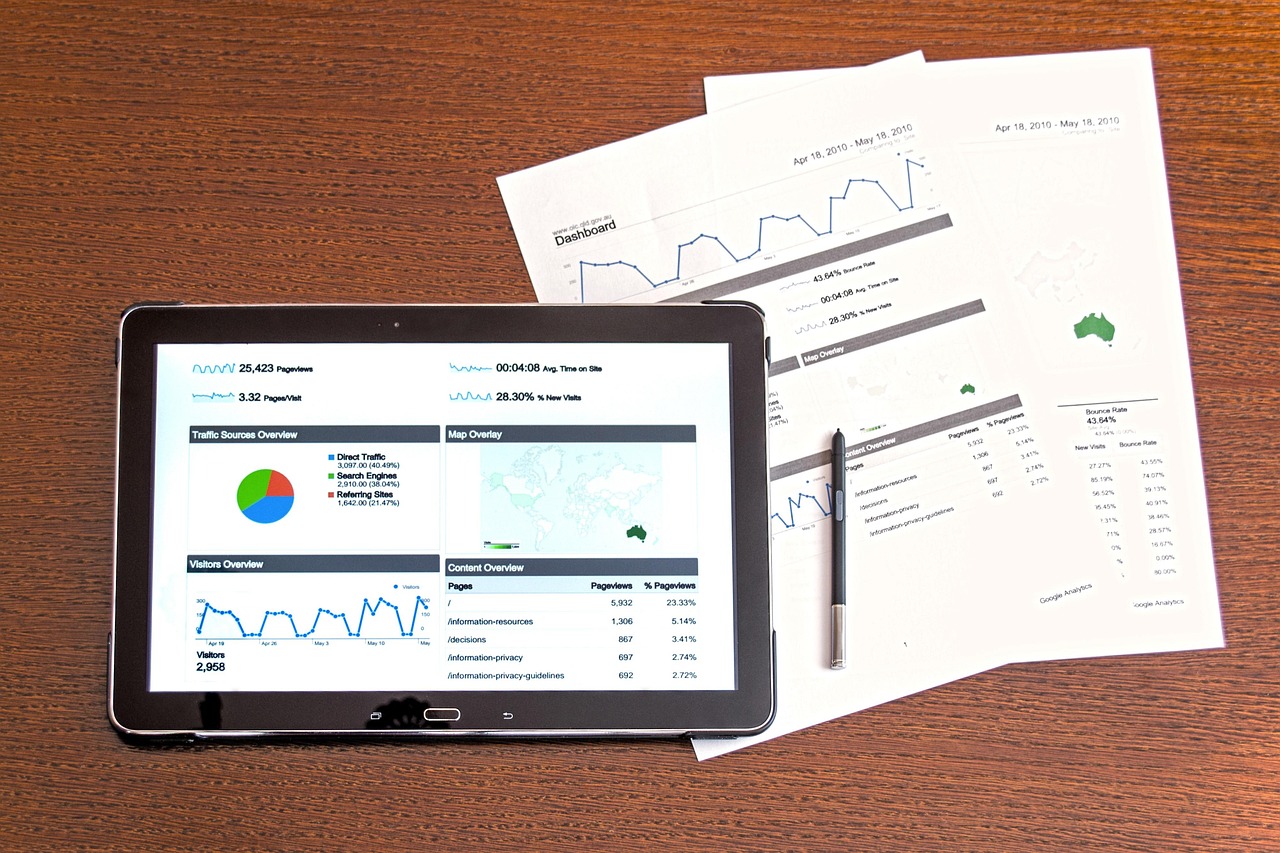
Data visualization is another crucial component of marketing analytics that enhances understanding and communication of insights. Visual elements like charts and graphs help stakeholders quickly grasp complex data, enabling informed decision-making. When information is presented visually, it simplifies analysis and allows teams to identify trends and anomalies promptly. Effective data visualization tools empower marketers to present their findings to diverse audiences, aiding in strategy alignment. Various platforms provide interactive dashboards, offering real-time data representation for ongoing campaign assessment. Furthermore, organizations can utilize storytelling techniques in data visualization to create compelling narratives that illustrate marketing performance. These narratives should highlight both successes and areas for improvement, engaging stakeholders in the analytic process. Additionally, data visualization encourages collaboration, as team members can contribute insights that may be beneficial in strategizing future campaigns. As businesses recognize the value of effective presentations, investing in robust data visualization tools becomes imperative. Overall, transitioning to a data-driven culture supported by strong visualization efforts fosters better understanding and enhances marketing effectiveness.
Challenges in Marketing Analytics
While marketing analytics can significantly improve ROI, businesses often face challenges in its implementation and execution. One common obstacle is data integration, as organizations must consolidate information from various channels. Ensuring data quality is crucial, as inaccurate data can lead to misguided insights and decision-making. Additionally, many organizations encounter difficulties with data privacy regulations, which can limit data access and usage in marketing campaigns. Striking a balance between tapping into valuable customer data while adhering to privacy laws is essential for success. Furthermore, a lack of skilled personnel capable of interpreting complex analytics can hinder the effectiveness of marketing strategies. Without trained analysts to translate insights into actionable strategies, organizations risk wasting valuable resources. Additionally, achieving buy-in from upper management can create an additional hurdle, as stakeholders might be hesitant to invest in analytics initiatives without understanding their potential benefits. Addressing these challenges requires commitment and investment in technology, training, and a clear strategy emphasizing the value of analytics in driving marketing ROI.
Another challenge arises from the vast amounts of data available, which can lead to analysis paralysis. Marketers may struggle to differentiate between useful and irrelevant data, resulting in indecisiveness and missed opportunities. To combat this, establishing a clear framework for defining which metrics matter most is essential. Organizations should prioritize actionable insights that directly impact their marketing strategies and ultimately improve ROI. Embracing agile methodologies in analyzing data can enable continuous improvement, allowing businesses to iterate their analyses and strategies based on real-time feedback. Also, organizations must infuse a data-driven culture throughout their teams, encouraging collaboration and sharing of insights. By fostering an environment that embraces analytics, marketers will be better positioned to unlock the full potential of their data. Finally, selecting the right analytics tools that align with overall business objectives is crucial. Investing in user-friendly and robust analytics platforms will empower teams to make data-driven decisions effectively, enhancing overall marketing performance and boosting ROI.
Future Trends in Marketing Analytics
The future of marketing analytics promises innovative advancements that will further enhance ROI capabilities. As artificial intelligence (AI) and machine learning technologies continue to evolve, marketing analytics will become even more sophisticated. Predictive capabilities will be enhanced, enabling deeper customer insights and targeted marketing strategies. Businesses will increasingly rely on these technologies to enable segmentation and personalization practices, ensuring tailored marketing approaches for specific customer groups. Additionally, the integration of augmented reality (AR) and virtual reality (VR) in analytics will foster immersive experiences for consumers. Marketers will employ these technologies to gather real-time data on consumer preferences and behaviors during interactions. Furthermore, customer feedback loops will become integral to the analytics process, as organizations incorporate direct consumer insights into their marketing strategies. By engaging customers in open dialogues, businesses can adapt their offerings optimally. The rise of such technology will ultimately enhance marketing effectiveness, leading to improved ROI. Staying ahead in the rapidly evolving landscape requires organizations to continue embracing new analytical innovations and continuously refining their strategies based on emerging trends and insights.
Investing in marketing analytics is not merely a trend but a necessity for organizations seeking sustainable growth. Understanding the power of data analytics allows businesses to unlock new channels of revenue and improve existing strategies. Building a strong foundation of analytics will enable organizations to drive effective marketing decisions while cultivating deeper customer relationships. To harness the full potential of marketing analytics, companies must actively seek innovative tools and approaches. Training and empowering teams with analytical skills will create a data-driven culture, promoting the continuous evolution of marketing strategies. Integrating collaborative efforts within different departments will also foster a unified approach to analytics, ensuring all perspectives and insights contribute to overall effectiveness. Ultimately, businesses that prioritize and harness marketing analytics will be poised for success, realizing enhanced ROI and long-term growth. In conclusion, adopting a comprehensive approach to marketing analytics will allow organizations not only to cope with market dynamics but also to thrive and outperform competitors. Embracing this data revolution will redefine marketing success in the years to come.