SaaS Platform Scalability: Preparing Your Business for Growth
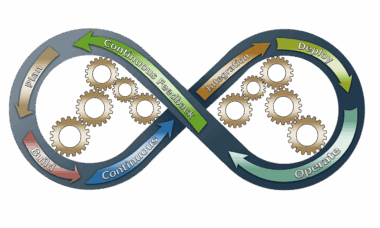
Scalability is a fundamental aspect of Software as a Service (SaaS) platforms that businesses prioritize for success. As companies grow, their technological requirements change, necessitating an infrastructure that supports increased demand without compromising performance. To effectively scale a SaaS platform, organizations must focus on several factors. First, the architectural design should be flexible, allowing for the seamless addition of resources as needed. Utilizing microservices architecture can be beneficial, enabling developers to modify individual components without impacting the entire system. Furthermore, employing cloud-based solutions can aid in dynamic resource allocation. Second, investing in automation for deployment processes can enhance scalability considerably. Automation reduces the risk of human error and accelerates the rollout of updates or new features, which is crucial for maintaining user satisfaction. Lastly, optimizing database performance is essential for accommodating the load of increased user traffic. By considering these strategies, companies can prepare their SaaS platforms for future growth and ensure consistent service quality. Proper planning helps ensure that when demand spikes, their infrastructure can accommodate the requirements without downtime or glitches, maintaining user trust and satisfaction throughout the expansion process.
A collaborative work environment plays a crucial role in successfully scaling a SaaS platform. By fostering teamwork, organizations can more effectively address challenges that arise during the growth phase. Teams responsible for development, customer support, and operations need to work closely to ensure that user feedback is gathered and addressed promptly. Implementing collaborative tools that allow for real-time communication can bring teams together efficiently. Additionally, these tools can enhance transparency and streamline workflow processes, enabling faster decision-making. Regular meetings should also be scheduled to discuss any roadblocks or bottlenecks teams encounter, ensuring that issues are resolved promptly. Maintaining a customer-centric approach is particularly vital during this phase. Gathering insights from user interactions can lead to valuable product updates, improving user experience and satisfaction. By leveraging data analytics, organizations can identify usage patterns that reveal opportunities for enhancements or new features. Encouraging a feedback culture within the company not only motivates employees but also aligns them towards common goals. This collaborative environment enables SaaS businesses to adapt to changes rapidly, ensuring that their growth strategy remains effective while keeping user satisfaction at the forefront of the scaling process.
Addressing Security Concerns
As SaaS platforms scale, security concerns become increasingly critical for both providers and users. Protecting sensitive information should be a top priority for any SaaS provider looking to sustain user trust and regulatory compliance. Implementing robust security measures, such as data encryption and regular security audits, can help safeguard client information against potential breaches. Furthermore, authentication mechanisms must be enhanced, utilizing multi-factor authentication to add an additional layer of security. User education is also crucial; by informing clients about best practices for securing their accounts, organizations can empower users to take responsibility for their data protection. Regularly updating software components is another essential practice that ensures vulnerabilities are patched promptly. It is equally important to have an incident response plan ready, ensuring the organization can act swiftly in case of a security breach. This plan should outline roles and responsibilities, communication strategies, and steps for mitigating damage. A transparent approach to security concerns can ultimately strengthen relationships with customers, demonstrating a commitment to safeguarding their data while encouraging trust in the SaaS provider. Moreover, educating customers about technological advancements can enrich their experience, helping them feel secure in using the platform.
Integrating analytics capabilities into a SaaS platform is key for sustainable growth. Analytics provide valuable insights into user behavior, allowing businesses to make informed decisions about features, functionality, and marketing strategies. By analyzing data such as user engagement metrics, companies can identify opportunities for optimizing their offerings and driving user retention. Predictive analytics can be particularly beneficial, helping organizations anticipate user needs and preferences. This proactive approach allows businesses to adapt and innovate continually, staying ahead of competitors. Moreover, integrating analytics into the user interface can enhance user experience. Providing users with data-driven insights can empower them to make better decisions based on their interactions with the platform. Implementing a self-service analytics capability also gives users autonomy to explore data relevant to their needs, driving satisfaction. By utilizing data to guide product development and service delivery, organizations can ensure their offerings evolve alongside market expectations. Additionally, forecasting trends can inform strategic planning, allowing SaaS companies to allocate resources more effectively. Ultimately, the integration of comprehensive analytics capabilities serves as a catalyst for innovation and growth, enabling firms to respond dynamically to user needs in a rapidly changing environment.
Choosing the Right Technology Stack
A well-considered technology stack can greatly influence the scalability of a SaaS platform. Selecting the right tools and frameworks is essential for developers to build strong, flexible applications capable of handling increased user loads. First, evaluate options based on the system’s architecture, taking into account languages that facilitate microservices deployment or enable rapid development. Popular frameworks such as Node.js or Ruby on Rails offer versatility, while cloud services like AWS or Azure provide scalability. Moreover, utilizing APIs can enhance integration with third-party services, expanding functionality and increasing user appeal. However, while choosing a technology stack, organizations must also assess community support and documentation, ensuring developers can easily access resources when needed. Loyalty to a specific technology can hinder future flexibility; thus, organizations must maintain a balance between stability and innovation. Paying attention to performance benchmarks and scalability features of chosen technologies can further ensure that the platform can support an increasing number of user requests. Overall, a thoughtful evaluation of the technology stack serves as a cornerstone for ensuring that the SaaS platform can successfully adapt as the business continues to grow.
Customer support strategies should evolve alongside the growth of a SaaS business. As the user base expands, the demand for timely and effective customer assistance naturally increases. Implementing multi-channel support systems including chatbots, forums, and help desks can ensure users have ample options for obtaining assistance. Self-service resources like FAQ pages and how-to guides empower users to find solutions independently. Regular training for support staff on handling various queries efficiently is also important. Investing in customer relationship management (CRM) tools allows businesses to track user interactions, enabling personalized support that addresses individual customer needs. Additionally, proactive outreach and feedback collection can facilitate improvements in service delivery, ensuring user satisfaction remains high. Conducting regular surveys helps identify areas for improvement, providing actionable insights for refining support services. Furthermore, supporting users not directly tied to revenue, such as trial users, is essential in showcasing a commitment to customer care. Establishing forums where users can share experiences and solutions encourages community engagement and reinforces brand loyalty. By scaling customer support strategies appropriately, SaaS companies can ensure that they continue to meet and exceed user expectations as they grow.
Conclusion: Future-Proofing Your SaaS Business
Future-proofing a SaaS business is a multifaceted approach focused on ensuring longevity and adaptability. As technology constantly evolves, the ability to pivot becomes increasingly vital. By prioritizing scalability from the outset, companies position themselves to handle growing user demands without sacrificing quality. Additionally, fostering a proactive company culture that emphasizes innovation encourages teams to experiment with new ideas and strategies. Staying current with industry trends and continuously investing in employee training ensures that the organization can adapt effectively. Collaborating with customers also merits attention; actively seeking feedback creates a stronger connection while honing the product to better meet customer needs. Furthermore, integrating the latest technologies ensures that your service remains competitive. Adopting practices like performance monitoring and regular updates keeps the platform operating smoothly. By diligently implementing best practices for growth, SaaS businesses can navigate challenges while capitalizing on new opportunities. Ultimately, a forward-thinking approach to both customer engagement and service delivery will solidify a firm’s position in a competitive market, encouraging sustained growth and user loyalty. Preparing for the future today guarantees that your SaaS business is equipped to thrive in an ever-evolving landscape.
In summary, scaling a SaaS platform involves considering numerous interconnected factors that together create a solid foundation for growth. The ongoing assessment of security, customer support, and technology choices ensures that the business can adapt effectively in a changing landscape. Building a robust infrastructure is paramount, just as vital is fostering a collaborative environment that promotes teamwork to address challenges that arise. Integrating analytics helps drive decision-making, facilitating innovative solutions tailored to user needs. Ultimately, the journey to successfully scaling a SaaS business lies in a commitment to continuous improvement and customer satisfaction, ensuring that growth is sustainable and strategic. By prioritizing the right strategies and fostering a culture of engaging collaboration, SaaS companies can navigate the intricacies of scaling effectively. Keeping up with current demands and anticipating future needs lays the groundwork for a flourishing service that continually meets user expectations. Aligning customer feedback with technological advancements unlocks the potential for greater success. Thus, comprehensively considering each aspect of growth will enable SaaS providers to not only survive but thrive in their marketplace.