
How to Manage Risk in Day Trading
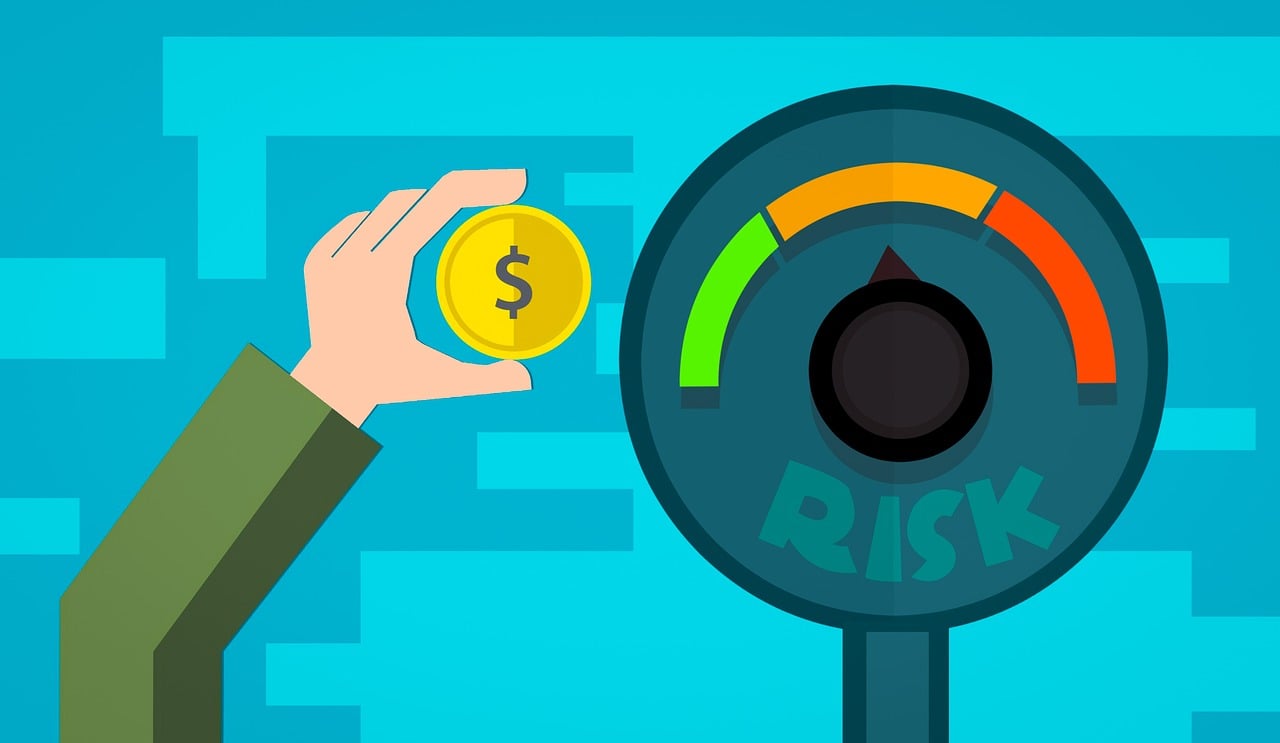
Day trading can be an exciting yet challenging venture for many investors. Proper risk management is crucial to achieve long-term success in this fast-paced environment. One of the first steps in managing risk is establishing a solid trading plan. This plan should outline specific entry and exit points, as well as risk-reward ratios. It may also include a predetermined amount to be invested on each trade. Understanding how much money you can afford to lose on a single trade is essential. This understanding helps prevent significant losses that could hinder your trading success. Additionally, employing stop-loss orders is a vital tool in minimizing potential losses. Stop-loss orders automatically sell a stock when it reaches a certain price, thus limiting your downside. Selecting the right trading platform can also help to manage risks effectively. Each platform may have different tools available for managing risk. Researching and comparing features can ensure you select a platform that aligns with your trading style. Through disciplined practices and strategic planning, day traders can navigate this complex landscape while safeguarding their investments from excessive risks.
Another important aspect of risk management in day trading involves diversifying your portfolio. By not putting all your capital into a single stock or sector, you significantly reduce your overall risk exposure. Diversifying across various assets can help cushion the impact of an adverse market movement. This is particularly useful because sometimes market trends can negatively affect entire sectors. Traders may also consider allocating funds across different trading strategies, which can further hedge against losses. Moreover, implementing position sizing is essential in controlling risk. Position sizing determines how much capital you will use for a specific trade based on your overall account size and risk tolerance. Adopting a rule-of-thumb, such as risking 1-2% of total capital per trade, can help maintain a stable portfolio. Emotional discipline also plays a crucial role in effective risk management. Overtrading or deviating from your established plan can lead to emotional decision-making, which may result in losing trades. Staying committed to your strategy and maintaining a strong mental attitude are keys to successfully managing risk in the highly volatile day trading environment.
Utilizing Technical Analysis
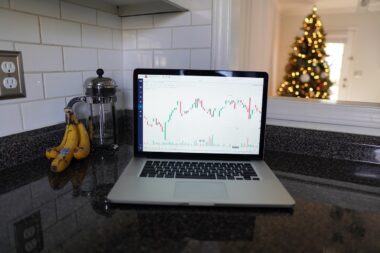
Utilizing technical analysis is an excellent tool for day traders to make informed decisions and manage risks systematically. Tools such as moving averages, relative strength index (RSI), and Bollinger Bands provide traders with insights into market trends and price movements. By analyzing these indicators, traders can identify potential entry and exit points more precisely. A comprehensive understanding of support and resistance levels also helps day traders decide when to enter or exit a trade. Additionally, traders should consider chart patterns that may signal potential market reversals or continuations. Experienced traders often rely on a combination of indicators to create a more robust trading strategy. However, it’s fundamental to remember that technical analysis is not foolproof and should be used in conjunction with proper risk management strategies. Ensuring a balanced approach between technical analysis and strict money management will lead to better outcomes in the long term. Furthermore, keeping an eye on economic news and events can also be crucial, as these can drastically impact stock prices and market performances. Therefore, combining both technical tools with diligent market observations is essential for effective risk management.
The psychological aspects of day trading also play an important role in risk management. Developing a mindset that embraces both wins and losses can significantly affect trading performance. Emotional stability can help keep impulsive decisions at bay, especially during periods of market volatility. Recognizing emotional triggers, such as fear and greed, helps traders manage their responses and maintain discipline. Keeping a trading journal is a recommended practice for many successful traders. This journal can highlight mistakes, successful trades, and emotional reactions, offering valuable insights for future trading strategies. Analyzing past trading behavior can uncover trends and patterns that may not have been obvious during active trading. Furthermore, building a support network with other traders can be beneficial for gaining new perspectives and sharing experiences. Engaging in discussions, attending webinars, and collaborating with mentors can provide support in navigating through challenging trading scenarios. By addressing psychological factors, day traders can enhance their risk management approach and improve their overall trading performance, ultimately leading to more sustainable success in day trading.
The Role of a Trading Journal
Incorporating a trading journal into your daily routine can greatly aid in managing risk effectively. By documenting every trade you make, including entry and exit points, position sizes, and outcomes, you develop a detailed record of your trading journey. This information allows for analyzing what strategies and methods yield the best returns while identifying areas needing improvement. Having a tangible record not only offers clarity but also helps in recognizing patterns in both winning and losing trades. This knowledge is invaluable, as it can inform future decisions and adjustments in your trading strategy. Furthermore, reviewing your journal regularly can prompt reflections on the emotional aspects of your trades. For instance, understanding how you felt during specific trades could unveil correlations between emotions and performance. This insight can allow traders to manage their stress and emotional responses more effectively. Over time, maintaining a trading journal contributes not just to better decision-making but also fosters a disciplined approach to trading. Ultimately, the disciplined habit of journaling can enhance risk management and support consistent improvement, paving the way for long-term success in the fast-paced world of day trading.
To further mitigate risks, it’s essential to stay updated on the latest market trends and news. Financial markets can be influenced by unpredictable events, such as geopolitical developments and economic indicators. By remaining informed about relevant news, day traders can make decisions that take current events into account. For example, quarterly earnings reports and macroeconomic data releases can cause significant price movements in stocks. Financial news websites, market analysis platforms, and even social media can offer valuable insights to stay current. Many traders follow influential analysts and economic experts to gauge market sentiment and adjust strategies accordingly. Additionally, participating in online trading communities and forums can provide access to diverse opinions and information from fellow traders, helping refine personal strategies. However, it’s crucial to verify and evaluate the credibility of various information sources to avoid misinformation. Maintaining a systematic approach to gathering and assessing news can significantly enhance decision-making. As day traders adapt quickly to the trading environment, incorporating news and trend awareness into their routine is critical for effective risk management and achieving long-term trading success.
Maintaining a Sustainable Mindset
Maintaining a sustainable and realistic mindset is another key element in managing risk in day trading. Aiming for consistent growth rather than chasing large gains can help reduce emotional stress and impulsive decision-making. Instead of focusing solely on immediate profits, it’s beneficial to develop a long-term vision for trading success. Setting achievable and incremental goals can keep motivations high while maintaining a healthy perspective on the market. Additionally, ensuring that you have a balanced lifestyle outside of trading can improve mental clarity and decision-making skills. Regular breaks and diversions from trading can help recharge your focus and reduce burnout. Mindfulness techniques, such as meditation and self-reflection, can also be advantageous in cultivating a disciplined and calm mental state. By recognizing that losses are part of the trading process, you can embrace challenges and view setbacks as opportunities for learning. Establishing a risk management routine and adhering to it can significantly benefit overall trading performance. With the right mindset and a well-structured approach, traders can successfully manage risks associated with day trading and work towards achieving lasting financial success.
In conclusion, effectively managing risk in day trading is a multi-faceted approach that combines strategic planning, psychological awareness, and diligent analysis of market data and trends. By implementing solid risk management techniques such as diversification, position sizing, and emotional discipline, traders can navigate the complexities of the trading landscape. Utilizing technical analysis not only helps in making informed decisions but also aids in understanding market fluctuations and potential opportunities. Moreover, the practice of maintaining a trading journal contributes to personal growth by documenting experiences and enhancing decision-making processes. Staying informed with reliable market news and updates is equally essential to minimize risks and adjust strategies in real-time. Ultimately, cultivating a sustainable mindset focused on continuous improvement takes effort and discipline. As you continue to learn and adapt, embracing the fluctuation of the market becomes less stressful. With time, thorough analysis, and the right attitude towards risk, you are likely to experience increased trading success and personal satisfaction in your day trading journey. Investing in your education and consistent practice will set the foundation necessary for achieving your trading objectives with minimized risks.