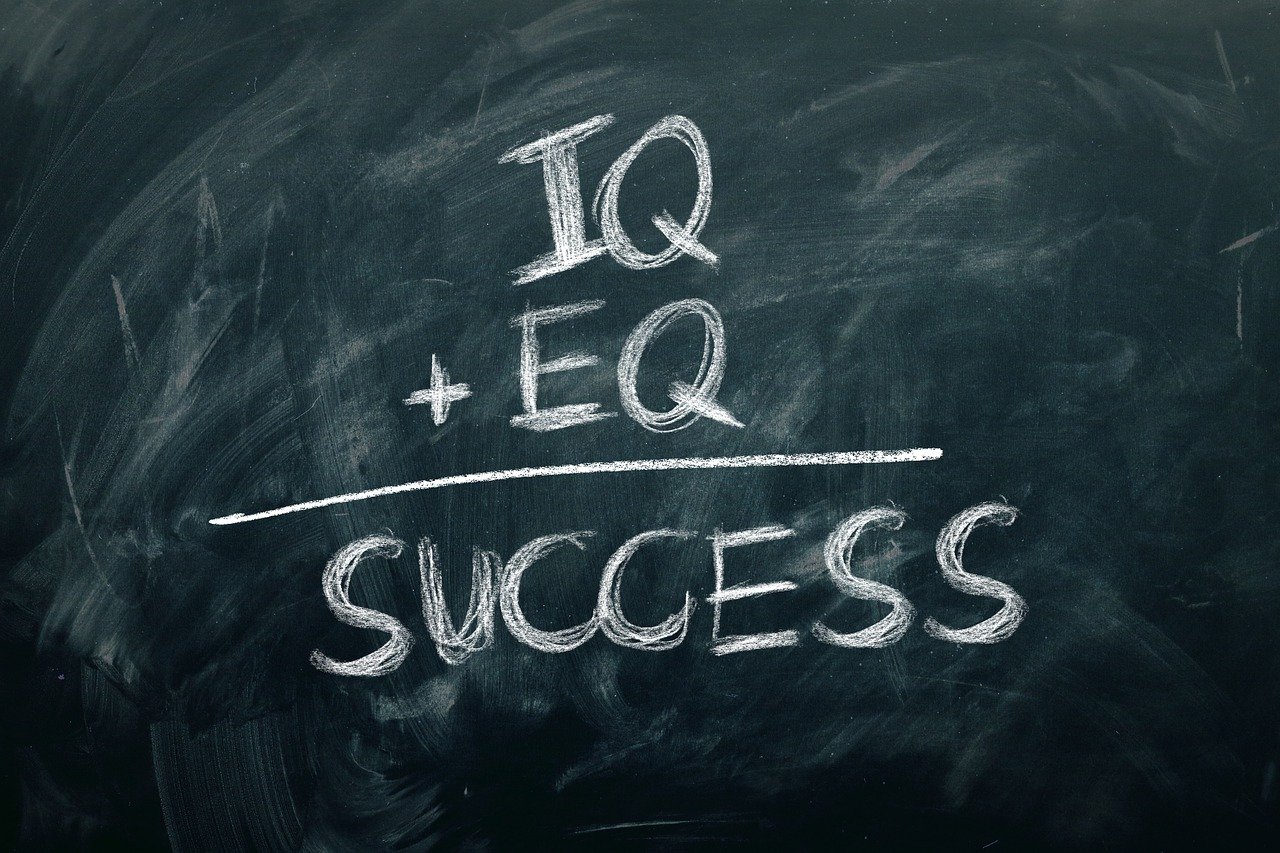

Emotional Intelligence and Ethical Leadership in Business
Emotional intelligence (EI) is an essential component of effective leadership within contemporary business settings. Leaders possessing high EI can navigate complex interpersonal dynamics, fostering positive relationships among team members. This attribute includes self-awareness and understanding one’s emotions, which helps in recognizing the emotional states of others. Consequently, emotionally intelligent leaders can respond wisely to situations, promoting collaboration and trust within their teams. They are adept at gauging their emotional responses to stress, adversity, or conflict, ensuring thoughtful leadership decisions. Moreover, these leaders can approach challenges with empathy, demonstrating a keen interest in the well-being of their team. Research indicates that companies with emotionally intelligent leaders often experience higher employee satisfaction, reduced turnover rates, and improved overall performance. In today’s fast-paced business climate, EI is not merely an optional skill; it is a fundamental requirement for effective and ethical leadership. Leaders must remain attuned to their emotions and those of their employees to build resilient teams. Recognizing and valuing the emotional climate of the workplace can significantly contribute to long-term success and accountability in decision-making processes.
Ethical leadership is inherently linked to emotional intelligence, creating a framework that emphasizes moral responsibilities in business. Ethical leaders, supported by their emotional intelligence, prioritize integrity, honesty, and fairness in their actions. Such leaders inspire their teams to maintain ethical standards while facing various challenges in the business environment. By demonstrating emotional awareness, leaders can empathize with the struggles of their employees, fostering a supportive and nurturing work atmosphere. This approach not only enhances employee morale but also encourages a culture of open communication and ethical behavior. In turn, this environment cultivates trust and loyalty among team members, crucial for a cohesive workplace. The distinction between ethical and unethical leadership can be significantly influenced by a leader’s EI. Those who can effectively manage their emotions are better equipped to handle ethical dilemmas and guide their teams accordingly. Moreover, ethical leaders often exhibit transparency and accountability, reinforcing their commitment to ethical principles. This kind of leadership leads to a healthier organizational culture, positively impacting employee engagement and ultimately driving the company towards achieving its objectives. The interplay between EI and ethical leadership is essential for sustainable success and responsible business practices.
The Role of Emotional Intelligence in Decision-Making
Decision-making is a pivotal process where emotional intelligence plays a vital role. Leaders with high EI can weigh both the logical aspects and emotional implications of their decisions. This holistic approach allows them to consider the feelings and experiences of their team members while addressing business challenges. Consequently, decision-making becomes more inclusive and considerate of diverse perspectives. Emotionally intelligent leaders are skilled at managing their own biases and emotional responses, leading to balanced and fair outcomes. For instance, when faced with a difficult decision that could impact employees significantly, a leader with high EI will assess how the choice may affect the morale and motivation of their team. Additionally, these leaders can facilitate constructive feedback sessions, encouraging team involvement in the decision-making process. By fostering an environment where employees feel valued and heard, leaders can enhance team creativity and engagement. This collaborative approach not only strengthens relationships but also leads to more effective and sustainable decisions. Hence, promoting emotional intelligence within leadership development programs is crucial for organizations aiming to improve their decision-making processes and overall performance.
Furthermore, the integration of emotional intelligence within leadership approaches enhances problem-solving capabilities in an organization. When leaders exhibit greater emotional awareness, they can better identify underlying issues hindering team performance. This deeper understanding allows them to implement effective strategies to resolve conflicts and obstacles efficiently. For instance, leaders who actively listen to their team members’ concerns can identify areas requiring immediate attention and develop targeted solutions. Furthermore, emotionally intelligent leaders promote a culture of psychological safety; they encourage open dialogues and discussions about challenges within the team. Such an environment enables team members to express their ideas without fear of negative repercussions, fostering innovation and creativity. Additionally, this supportive atmosphere encourages collaboration and cooperation, as employees feel more connected to their leadership and each other. Through empathy and emotional understanding, leaders can guide their teams through turbulent times with a clear vision, charting pathways to success. By addressing problems holistically and empathically, organizations create a resilient workforce ready to adapt to changes while maintaining a commitment to ethical practices and excellent performance.
The Impact of Emotional Intelligence on Team Dynamics
Effective leadership heavily depends on team dynamics, which emotional intelligence greatly influences. Leaders with high EI can recognize and harness the diverse emotional landscapes of team members, fostering collaboration and cohesiveness. When leaders understand individual emotional triggers and team interactions, they can facilitate a more productive working atmosphere. This enables the creation of strong, cohesive teams that work effectively towards common goals. Moreover, emotionally intelligent leaders can mediate conflicts constructively, ensuring they address underlying emotional issues rather than just surface-level disagreements. By doing so, they cultivate a culture of mutual respect among team members, promoting harmonious relationships essential for overall success. The emotional intelligence of a leader directly impacts how team members perceive their roles, responsibilities, and contributions within the group. Leaders who model emotional intelligence inspire their teams to develop similar attributes, leading to improved communication, collaboration, and engagement. Ultimately, a team guided by an emotionally intelligent leader is more adept at achieving its objectives while navigating the complexities inherent in business environments. As such, organizations must prioritize emotional intelligence as a key competency in leadership development initiatives aimed at enhancing team dynamics.
Moreover, the influence of emotional intelligence extends beyond individual leaders and directly affects organizational culture. A culture notably rich in emotional intelligence promotes empathy, understanding, and support among all team members, fostering a collaborative spirit across the organization. This kind of culture encourages open communication, encouraging all employees to share their thoughts, opinions, and concerns without fear of retaliation. Leaders who promote EI awareness and skills create environments nurturing psychological safety, significantly influencing overall team performance. Additionally, companies that embrace emotionally intelligent leadership can attract and retain talent as prospective employees are increasingly seeking workplaces that value emotional well-being, understanding, and ethical practices. Furthermore, organizations flourish when emotional intelligence becomes embedded in their core values and management practices, resulting in higher employee satisfaction and loyalty. As employees feel recognized and valued, their commitment to the organization increases, translating into improved productivity and performance metrics over time. Thus, instilling emotional intelligence as a cornerstone of corporate culture is crucial to maintaining a competitive edge in today’s dynamic market.
Building Emotional Intelligence in Leadership
Developing emotional intelligence among current and aspiring leaders requires intentional effort and structured programs. Organizations can implement training initiatives emphasizing self-awareness, empathy, and emotional regulation. Such programs can include workshops, coaching, and mentoring sessions that aid leaders in recognizing their emotional strengths and weaknesses and enhancing their interpersonal skills. Role-playing scenarios help leaders understand various emotional contexts and practice appropriate responses in diverse situations. Additionally, feedback from peers and team members can be instrumental in guiding leaders towards improving their EI. By creating a safe space for constructive criticism, organizations encourage leaders to embrace growth and self-development actively. Furthermore, emotional intelligence assessments can help leaders gauge their current level of EI and identify areas for improvement. Continuous learning and personal development are integral components of enhancing emotional intelligence, ensuring leaders remain adaptable. As leaders enhance their EI, organizations benefit from improved team dynamics, ethical decision-making, and a more cohesive workplace culture. In this way, investing in emotional intelligence builds future leaders equipped to navigate the complexities of modern business challenges while fostering ethical and sustainable practices.
In conclusion, emotional intelligence plays a transformative role in shaping ethical leaders within business contexts. By focusing on developing emotional intelligence among leaders, organizations can cultivate a workforce exemplary in ethical practices, collaboration, and innovation. As leaders become more in tune with their emotions and those of their team members, they can make decisions that respect and consider the human aspects of their organizations. Furthermore, emotionally intelligent leaders contribute to creating healthy workplace cultures that attract top talent and drive long-term success. This transformative approach to leadership empowers teams to excel, enhancing both individual and organizational performance. The landscape of business continues to evolve, making emotional intelligence an invaluable asset in navigating complexities. Thus, future leaders must prioritize developing emotional intelligence as a core competency, leading ethical practices that benefit not only their organizations but also society at large. Ultimately, the focus on emotional intelligence leads to a more resilient workforce and sustainable organizational success, reinforcing the connection between ethical leadership and business excellence in an increasingly competitive environment.