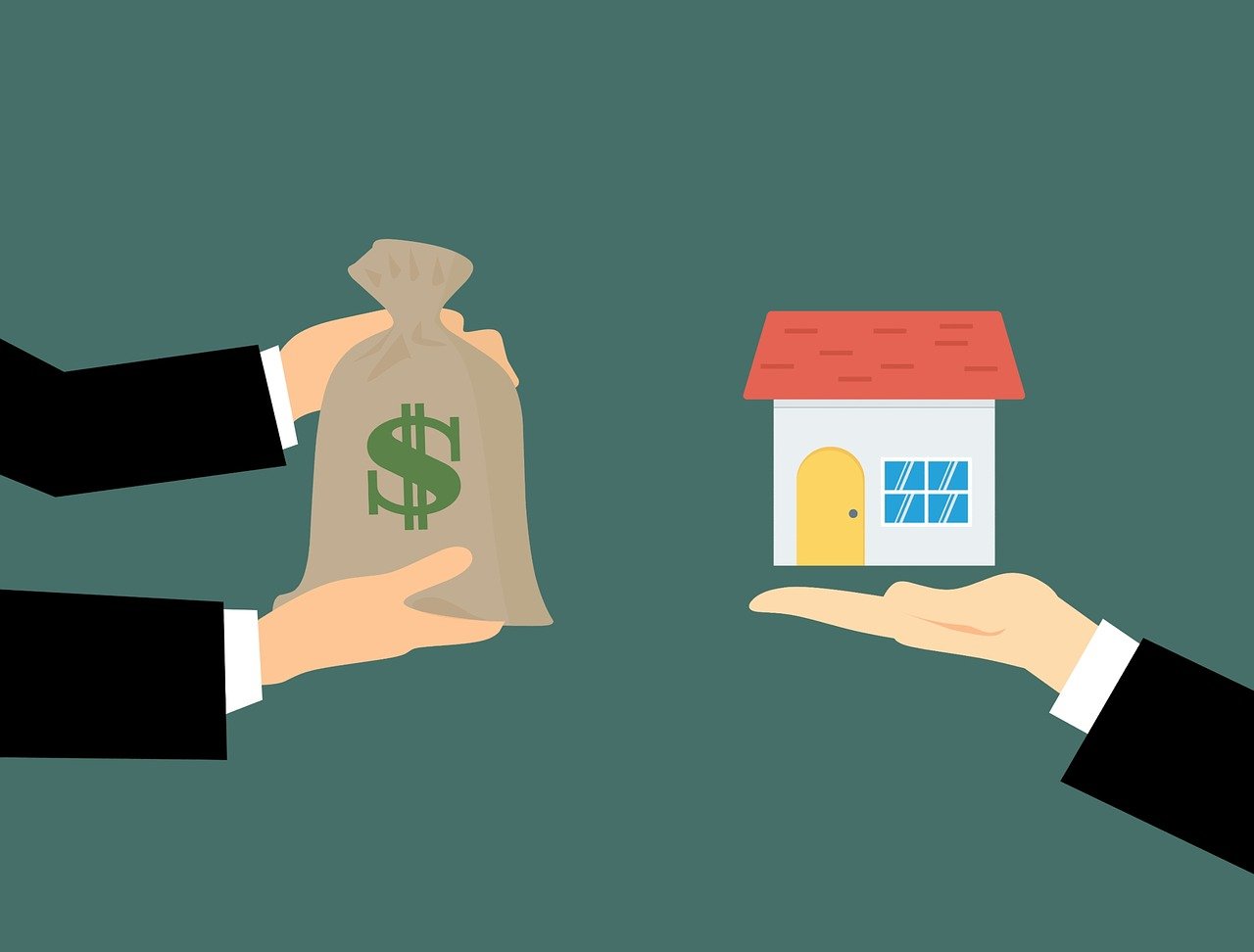

How to Successfully Flip a House Using Hard Money Financing
Flipping houses can be an exciting and lucrative venture, but it often requires significant upfront capital. One popular financing option to consider is hard money lending. This type of lending provides quick access to funds, allowing investors to purchase properties without a lengthy traditional mortgage process. Hard money lenders typically focus on the property’s value rather than the borrower’s credit score, making it an appealing choice for seasoned investors and novices alike. However, choosing the right hard money lender is crucial, as rates, terms, and fees can vary significantly. Look for lenders who have a solid reputation and transparent terms. It’s also essential to assess your renovation costs, projected selling price, and overall profit margins. Communicating clearly with your lender about your flipping goals is necessary for success. Understanding your financing options can position you for better deals and quicker closures. Many investors utilize hard money loans for their flexibility and speed, which can help secure deals before they’re snatched up by others. Careful planning and due diligence are paramount when entering the world of house flipping and hard money financing.
Understanding Hard Money Loans
Hard money loans are short-term financing options typically secured by real estate. Investors seeking quick capital use these loans to purchase properties, especially when traditional loans are not viable. In general, hard money loans cater to investors who require fast transactions. The application process is designed to be straightforward, allowing you to obtain funds within days rather than weeks. These loans are based mostly on the property’s value, which makes them accessible for those who may lack perfect credit. Often, hard money lenders will advance 70-80% of the property’s after-repair value (ARV). While the interest rates on hard money loans can be higher than conventional loans, they offer a feasible solution for quick investment opportunities. To ensure a smooth process, conduct thorough market research and find properties that can be flipped for a profit. Be mindful of potential risks involved, such as foreclosure if you cannot repay the loan. Thus, understanding the terms, interest rates, and fees associated with hard money lending is essential to maintaining a positive cash flow throughout your project.
Researching the real estate market is a fundamental step in flipping properties. Identifying the right neighborhoods and understanding market trends give you an advantage. Look for areas poised for growth or redevelopment, as they often present the best flipping opportunities. You should consider factors such as school districts, proximity to amenities, and overall community demographics. Homes in attractive neighborhoods typically command higher resale prices after renovation. Additionally, comparing recent sales of similar homes provides insight into pricing strategies. Local real estate agents can often provide valuable information regarding market conditions and which properties are in demand. Online platforms like Zillow and Redfin are also excellent tools for research. While preparing your budget, include costs for purchasing the property, repairs, and any holding costs such as property taxes during renovations. Competitively pricing your property when relisting after the flip will garner more attention from potential buyers. Monitor listings closely, as timing can significantly impact your returns. Thorough research, strategic planning, and local market knowledge are crucial components of a successful house flipping venture.
Once you identify a property worth flipping, obtaining a thorough inspection is vital. During the inspection, you uncover both visible and hidden issues that need addressing. This step ensures that you don’t encounter unpleasant surprises after closing. Hiring a qualified inspector provides insight into the property’s condition. You may need to budget for repairs that extend beyond superficial renovations. After the inspection, create a detailed renovation plan based on your findings. Determine which upgrades will yield the best returns, such as kitchen remodels, bathroom upgrades, or landscaping improvements. These features often attract potential buyers and increase property value. Organizing your timeline efficiently helps streamline the renovation process. Communicate with contractors and suppliers to ensure work is completed on schedule and within budget. It’s essential to strike a balance between quality and cost-effectiveness in all repairs. Once renovations are near completion, staging the home also contributes to creating a powerful visual impression. Invest a little in staging by highlighting your home’s strengths through strategic furniture placement and appealing accents that create an inviting atmosphere.
Marketing Your Flipped Property
Effective marketing strategies play a pivotal role in successfully flipping a house. Once renovations are completed, professional photography captures the property’s potential. High-quality images can greatly enhance online listings and attract more prospective buyers. Utilize social media platforms to promote listings, as they allow for wider reach. Strategies such as virtual tours, video walkthroughs, and drone images further entice potential clients by showing unique property features. Partnering with real estate agents familiar with your target market may enhance your visibility. They can help set ideal listing prices based on their market expertise. Consider open houses to attract potential buyers in person, as these events can create excitement and urgency. Also, highlight the key selling points in your marketing materials, such as new appliances, energy-saving features, or prime location. Promptly responding to inquiries demonstrates professionalism and maintains buyer interest. Keeping communication open and flexible makes it easier to negotiate successfully. An attractive property paired with an effective marketing plan maximizes your chances of a quick and profitable sale.
Using hard money financing undoubtedly has its challenges, and preparing for these challenges can help mitigate financial risks. Be aware of the potential for unforeseen expenses arising during renovations. Having a contingency fund set aside can provide a buffer for any emergencies or repairs that exceed initial estimates. Transparent communication with your lender about any financial concerns fosters trust and may give you access to more flexible financing options if needed. Never underestimate the importance of time during your flipping endeavor—failure to meet deadlines might lead to additional fees or lost profit. Pay attention to the local property timeline and the influence on market conditions. Always keep your goals aligned with your exit strategy; knowing when to sell is crucial. Your overall success in flipping houses stems from comprehensive planning, efficient execution, and market awareness. Stay disconnected from emotional investments in properties; treat each project as a business venture instead. Being prepared and informed allows you to enjoy the benefits of hard money lending while improving your chances of achieving desirable outcomes in your flipping projects.
In conclusion, flipping houses with hard money financing can be a rewarding venture when properly executed. As highlighted throughout this guide, diligent research and effective planning are fundamental to securing profitable deals. Begin your journey by selecting the right hard money lender and maintaining transparent communication about your goals. Conduct thorough market analysis and choose properties wisely, factoring potential renovation costs into your budget. Remember the importance of a detailed inspection and precisely execute renovations while staying within budget. Develop a strategic marketing plan to attract prospective buyers and be prepared for any challenges that may arise. Successful house flipping ultimately hinges on your willingness to learn and adapt to the ever-shifting real estate landscape. Each project serves as a valuable learning experience, aiding you in making informed decisions for future endeavors. Flipping homes can transform your financial situation and pave the way for sustainable wealth creation, provided that you approach it with professionalism and strategy. By understanding the ins and outs of hard money financing, you can maximize your chances of success and achieve your investment goals.
Thank you for reading this comprehensive guide! If you’re interested in learning more about hard money lending or house flipping, consider following our blog for updates and insights. Sign up for our newsletter to receive tips, strategies, and resources directly in your inbox! Don’t forget to share your success stories and experiences with hard money financing. We always appreciate hearing from our readers and the ways they’ve benefited from the advice. Feel free to reach out and connect with us via our website or social media channels. Engaging with our community enriches the learning experience for everyone. Join discussions, ask questions, and get involved in topics that interest you! Together, we can navigate the world of real estate finance more effectively. Your feedback helps us continually improve and provide the content you want. So, stay in touch, and let’s embark on this investment journey together. Remember, every property holds potential, and with the right financing and strategies, you can unlock it. Happy flipping!