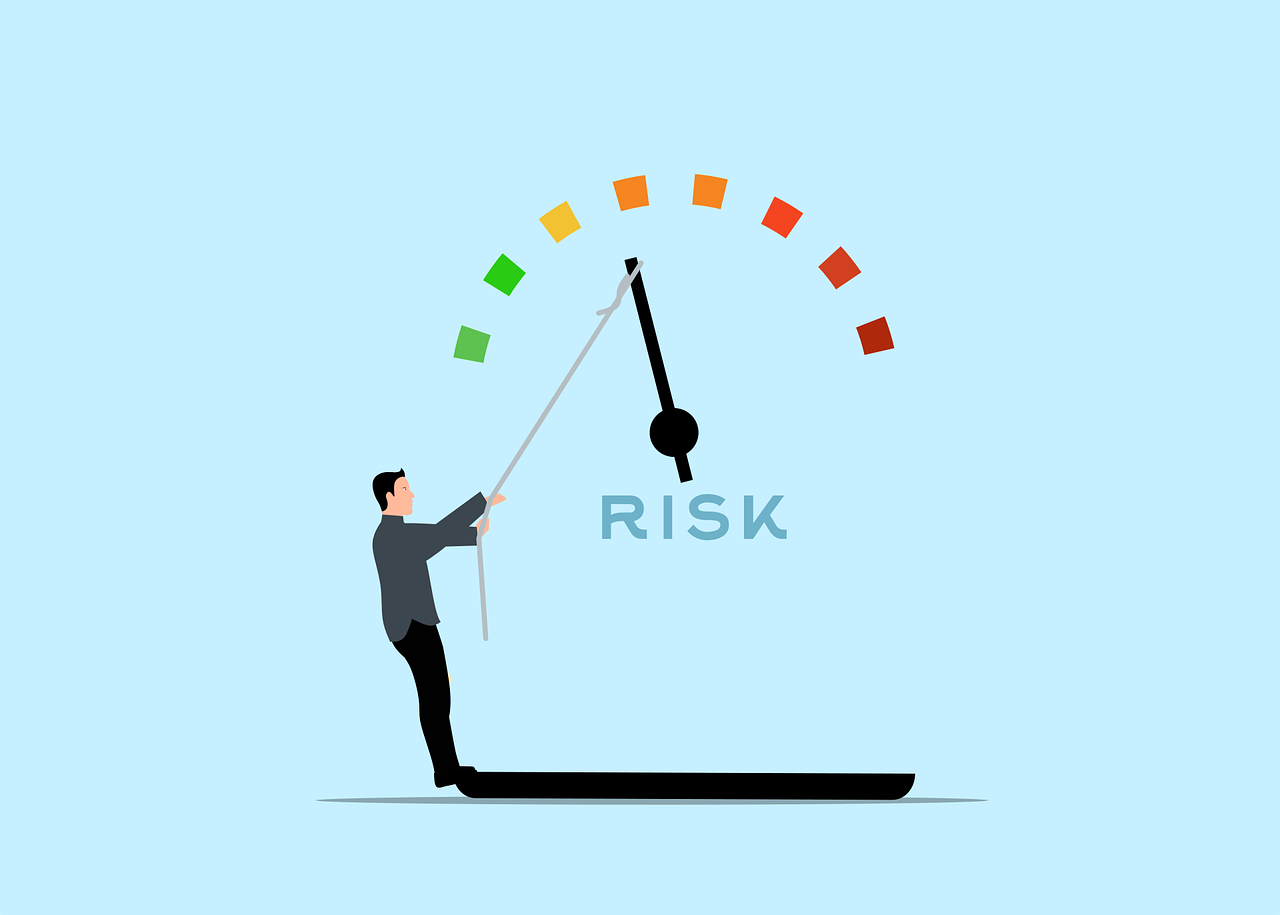

The Influence of Corporate Governance on Risk Management: Case Study Analyses
Corporate governance plays a crucial role in shaping how organizations manage risk. Effective corporate governance structures ensure that risks are identified proactively and addressed appropriately. In this analysis, we will explore multiple case studies that illustrate the relationship between robust governance practices and enhanced risk management strategies. These cases highlight how decisions made at the board level can significantly impact risk profiles across various corporate sectors. One prominent example involves a multinational company that faced financial challenges due to poor governance resulting in a lack of accountability. In contrast, another study reveals that organizations with strong board oversight outperformed their peers during economic downturns. The interplay between governance and risk is further examined, demonstrating that sound governance leads to better risk appetite and resilience. Companies are now prioritizing governance frameworks to ensure adequate risk assessment and management processes are in place. They aim to achieve long-term sustainability while protecting shareholder interests. The integration of risk management into corporate governance is not merely best practice but essential for survival in today’s complex business environment.
Case Study Insights on Risk Management
Examining various case studies reveals tangible insights into the impact of corporate governance on risk management practices. For example, a renowned financial institution successfully implemented a comprehensive risk framework due to effective governance. This approach involved clear communication channels and consistent monitoring of risk exposure across all departments. Consequently, the institution could swiftly identify emerging risks and took timely actions to mitigate them. In another case, a technology firm revamped its governance practices, which resulted in improved risk management and innovation capability. By fostering a culture of accountability, employees became more engaged in identifying potential risks within their operations. Companies that prioritize strong governance frameworks often see enhanced stakeholder trust, improved decision-making processes, and an overall better risk profile. Each of these instances demonstrates that there is a direct link between robust governance and effective risk management strategies. The adoption of transparent practices leads to better-informed management teams, enabling them to navigate uncertainties more effectively. Improved corporate governance aligns organizational strategies with risk management, facilitating responsive organizational structures that meet 21st-century challenges.
In many cases, organizations that neglect governance standards inadvertently expose themselves to higher risks. For instance, a global consumer goods company lost significant market share due to ineffective oversight of its supply chain, leading to operational failures. This incident underscores the importance of integrating governance into daily operational processes. By employing a structured governance framework, companies can enhance their risk management capabilities. The positive correlation between good governance and risk management is evident; firms with strong boards tend to show greater resilience against unexpected challenges. Further, regulatory compliance is a significant aspect that influences governance frameworks, compelling organizations to adopt better risk management practices. A firm that actively adheres to legal requirements is likely to implement comprehensive risk assessments and mitigation strategies. Therefore, corporate governance doesn’t just serve as a compliance tool; rather, it acts as a strategic asset that can facilitate better risk management outcomes. Ultimately, organizations aiming for sustainable operations must consider governance as a critical enabler for effective risk management. Emphasizing corporate governance in risk narratives can help drive organizational change while safeguarding both client interests and business longevity.
The Role of Board Oversight
Board oversight is fundamental in steering corporate governance and ensuring effective risk management. Boards that engage actively in potential risk discussions can lead to more informed decision-making. They must establish a culture that promotes open dialogue regarding risks, ensuring all stakeholders comprehend their potential influence. A case study of a leading health care provider illustrates this concept. The board decisively addressed compliance risks by enforcing stringent adherence to regulatory standards. This diligence not only minimized risk exposure but positively affected the company’s public image. Furthermore, when the board actively encourages collaboration between departments, organizations can effectively pinpoint risks that may otherwise go undetected. An example includes a manufacturing firm where cross-departmental teams collectively evaluate and mitigate production-related risks. By fostering an inclusive approach to risk evaluation, companies can build a diverse risk management perspective that caters to evolving market demands. Successful boards maintain a proactive stance on risk management to safeguard the organization from potential legal issues. This highlights a growing trend in corporate governance: integrated risk management is now seen as beneficial for nurturing company-wide accountability and informed risk response strategies.
The implementation of effective risk management frameworks, coupled with solid corporate governance practices, leads to enhanced organizational performance. A notable case study involves an energy company that restructured its governance to prioritize sustainability risks, thereby gaining a competitive edge. The alignment of governance structures with strategic objectives allowed this organization to adapt to changing regulatory environments swiftly. This agility is crucial in industries where market conditions can fluctuate dramatically. Moreover, the integration of advanced technologies has transformed how organizations approach risk management, bridging the gap between governance and operational efficiency. For instance, an automotive firm utilized sophisticated analytics tools to improve oversight and expedite risk assessments. By leveraging data-driven insights, the organization could forecast potential risks and implement preventive measures effectively. As businesses continue to face complex dynamics, the governance framework must evolve to incorporate these technological advancements. Developing robust systems that promote real-time risk management fosters resilience, enabling companies to withstand marketplace volatility. Emphasizing innovation within governance systems will not only enhance risk management practices but also boost stakeholder confidence and trust in the organization’s commitment to prudent risk strategies.
Conclusion: The Path Forward
In conclusion, corporate governance significantly influences how organizations manage risks and navigate uncertainties. The evidence presented in the case studies illustrates that companies with solid governance frameworks tend to experience fewer setbacks and achieve better results. Integrating risk management into the governance structure is no longer an option; it is a necessity in today’s rapidly changing business landscape. Organizations must recognize that their governance systems serve as critical backbones for effective risk strategies. The emphasis on transparency, accountability, and proactive oversight defines successful companies that are prepared to face diverse challenges. Going forward, businesses should continuously assess their governance frameworks to ensure they are aligned with risk management expectations. Moreover, fostering a culture that prioritizes risk awareness at all levels is essential for holistic risk management success. Collaboration across management and board members will facilitate a better understanding of potential threats and enable timely interventions. As companies embark on this transformative journey, the right balance between governance and risk management can define long-term success and sustainability. Thus, organizations must actively strive for improvements in governance to achieve effective risk management outcomes.
Through these insights into corporate governance and risk management, the case studies examined affirm the need for organizations to conduct thorough evaluations of their governance structures regularly. Doing so will empower companies to identify areas of improvement and adapt their risk management approaches accordingly. Emphasizing communication and collaboration will lead to more comprehensive oversight and contribute to business resilience. As we navigate an increasingly complex business world, prioritizing governance will safeguard organizational interests while promoting stakeholder trust. Equally, as regulations continue to evolve, organizations must remain vigilant about governance practices and risk management alignment. The dynamic nature of risk in modern economies requires firms to be agile and responsive. By adopting innovative governance frameworks and risk strategies, companies can better position themselves to weather uncertainties. Those that invest in creating robust governance systems will appreciate the long-term value returned in the form of risk mitigation and reputation enhancement. Ultimately, effective corporate governance is not just a business imperative; it is a strategic advantage that opens the door to sustainable growth. The positive impact of governance on risk management outcomes is undeniable and should be a priority for all organizations.
In summary, the exploration of corporate governance’s influence on risk management through various case studies emphasizes the interconnectedness of these crucial components. Organizations can no longer treat governance and risk in isolation; they must intertwine these concepts for better decision-making and performance. The takeaways from these analyses vividly showcase that sound corporate governance is a prerequisite for effective risk management. By integrating risk assessment processes into governance structures, companies can establish a proactive stance against potential challenges. This comprehensive approach lends itself to the development of sustainable businesses that maintain accountability and transparency. The evidence demonstrates that organizations that invest in robust governance frameworks are more prepared for potential crises, positioning themselves favorably in their respective markets. As the business environment continues to evolve, the dialogue around governance and risk must also adapt. Ultimately, there is no one-size-fits-all solution; organizations must tailor their governance frameworks and risk management processes to their unique contexts. Thus, as they forge ahead into the future, the path towards achieving excellence lies in acknowledging and prioritizing the critical role that corporate governance plays.